




































































Acrylic (Mica): thicknesses, UV printing and shape cutting
Sep
What Acrylic (Mica) Is and Why Company Name Boards Often Use It
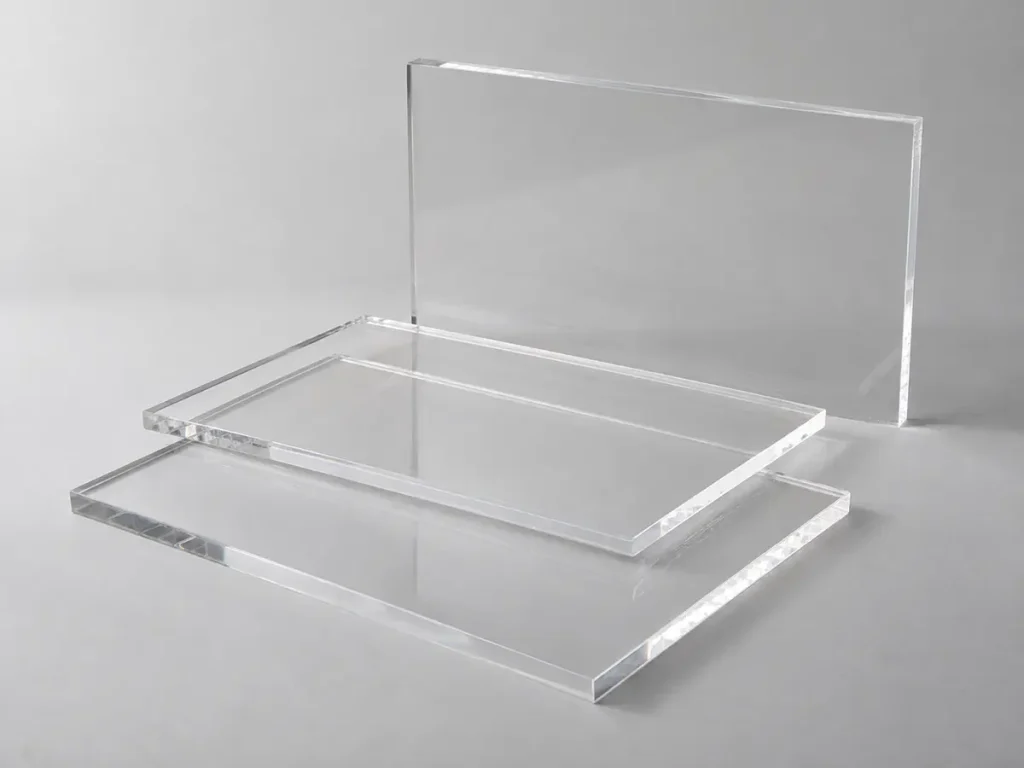
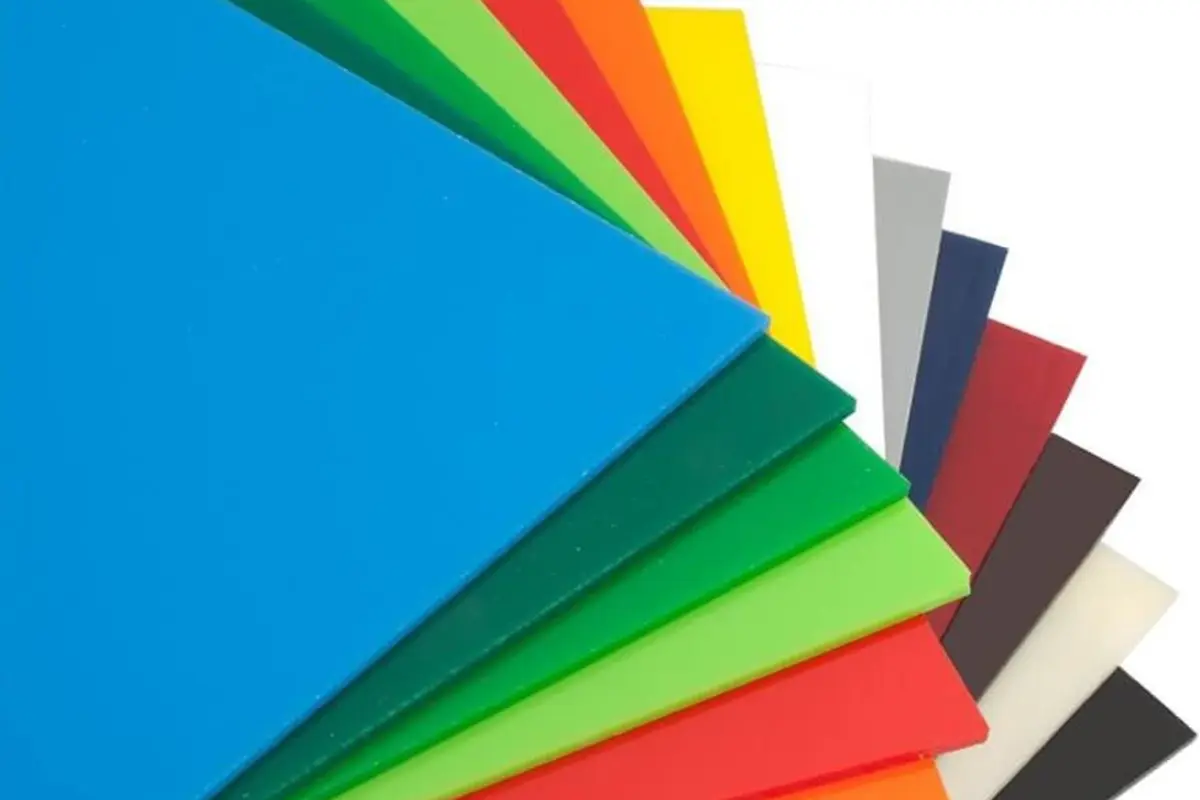
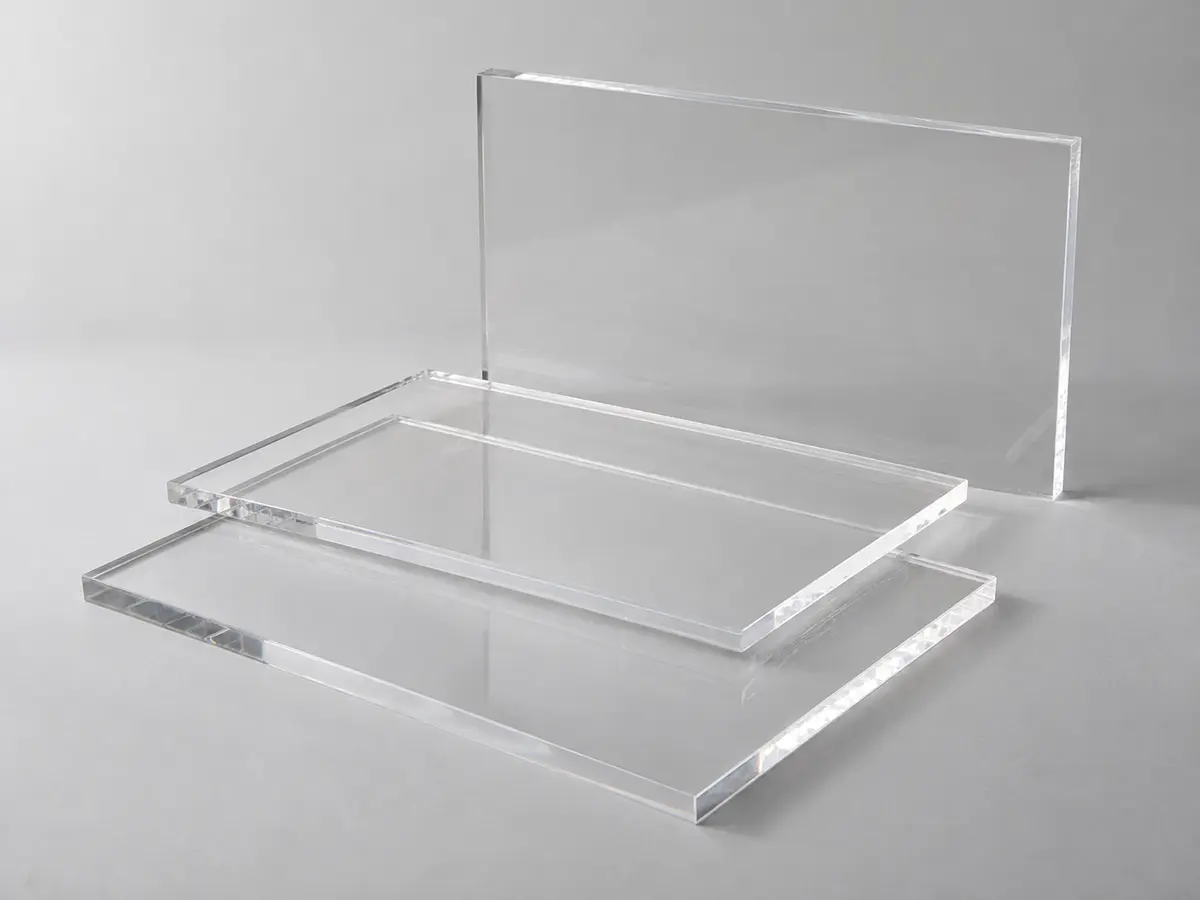
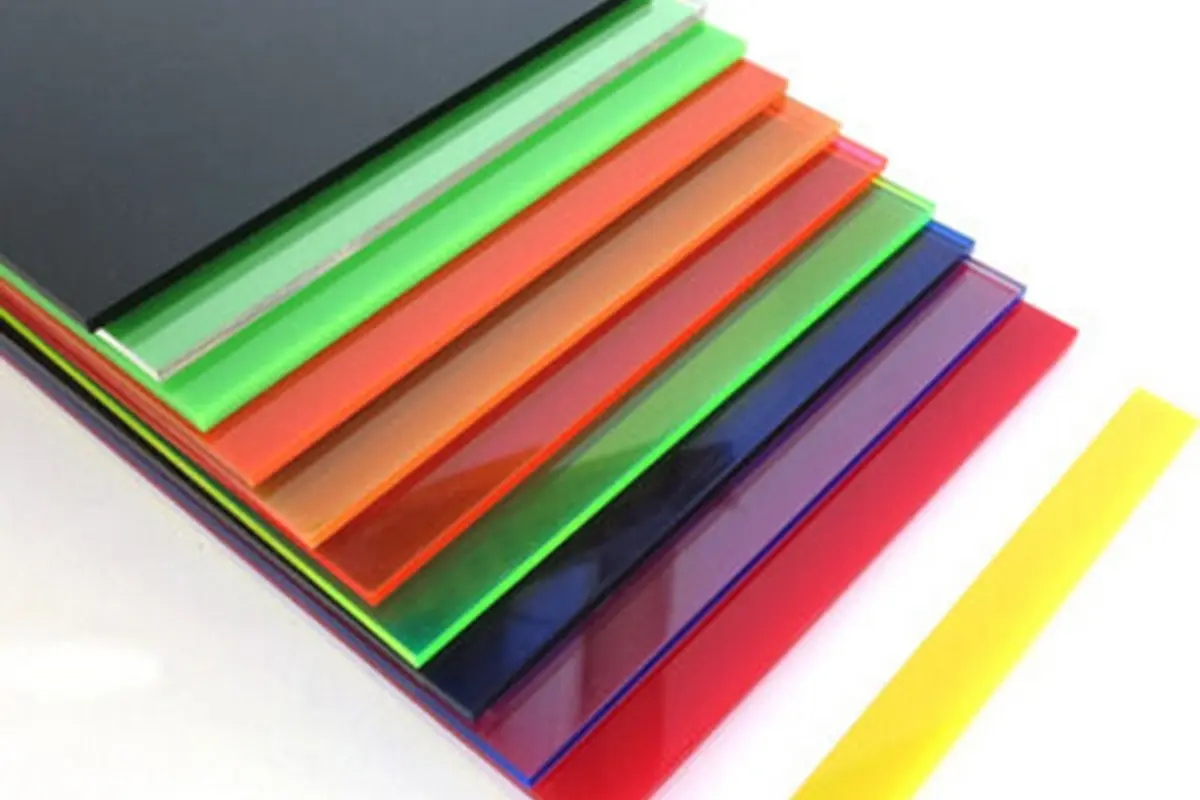
Mica (Acrylic) — technically called acrylic — is a clear or coloured plastic sheet with a glass-like glossy surface, but much lighter and it does not shatter on impact. The cut edges can be polished to a crystal-clear finish, so this material is often chosen for items that need a clean, premium feel: company name boards, department signs, 3D logo letters, display stands.
This article covers its properties, the thicknesses we stock, two styles of UV printing on clear sheets, CNC cutting and wall mounting, and tips for preparing files. Some illustrative photos are used in this article.
Properties of acrylic (Mica) sheet
- Clear as glass, lighter than glass — at the same size, an acrylic (Mica) sheet is much lighter, so it is easier and less risky to hang on the wall.
- Does not shatter — under a strong impact it cracks rather than forming sharp shards like glass.
- Edges can be polished — the cut edges are ground and polished into a transparent outline; this is what makes a name board look “professional”.
- Direct UV printing on the surface — no intermediate decal needed.
- CNC cutting along any contour — can make 3D letters, separate logos and free-form shapes.
Besides acrylic (Mica), we also use rigid PVC — an opaque type that is cheaper and more impact-resistant. Both can be UV printed directly and CNC cut, so which to choose depends on whether you need clarity or low cost.
Acrylic (Mica) thicknesses we stock
| Thickness | Features | Commonly used for |
|---|---|---|
| 2–3mm | Light, easy to cut, low cost | Name boards, direction signs, room number signs on walls |
| 5mm | Stiff, holds its shape, can take load-bearing screws | Signs that need to stand, desktop stands, signs on stainless steel standoffs |
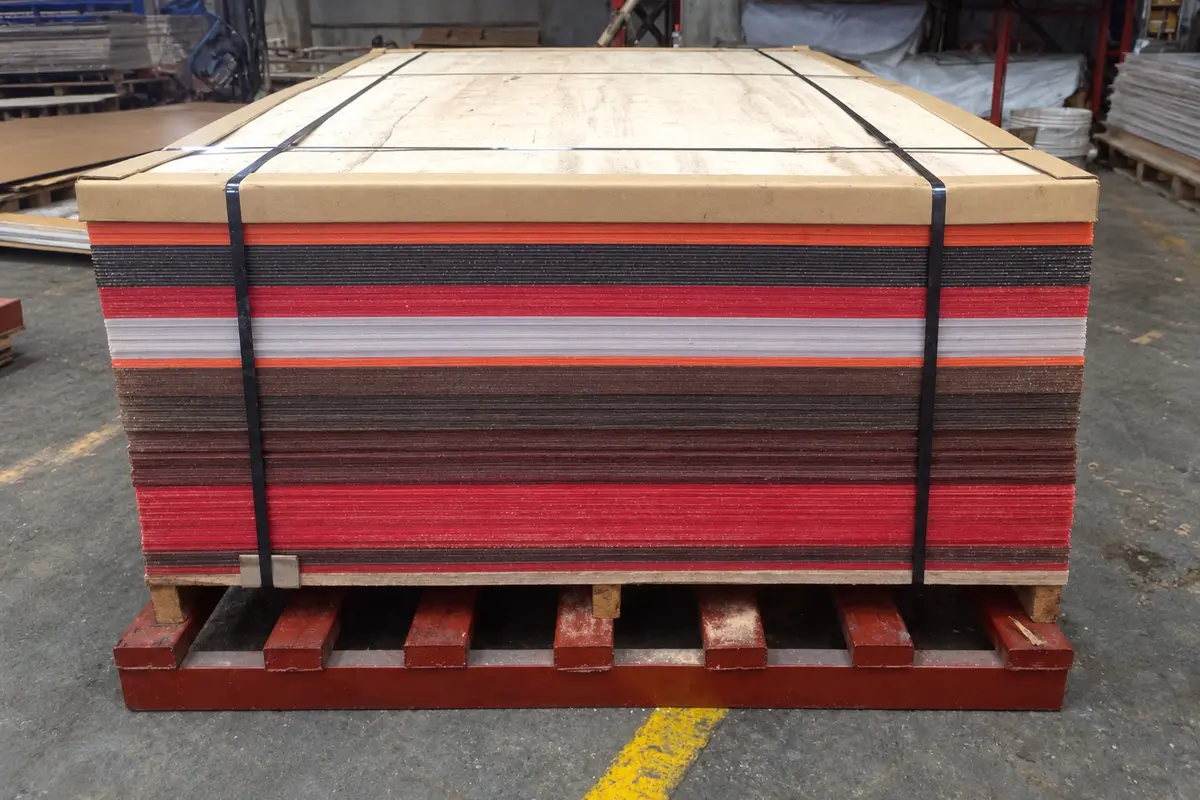
We use acrylic (Mica) from 2mm to 5mm thick. The rule: small signs mounted flush to the wall only need 2–3mm; signs on stainless steel standoffs away from the wall, load-bearing stands or sheets over 40cm should be 5mm so they do not sag.
Two styles of UV printing on clear acrylic (Mica)
With clear acrylic (Mica), the same file printed on the two sides gives two completely different effects:
- Front printing — colours look natural, with the ink visibly sitting on the surface. Simple, and lower cost.
- Back printing (reverse printing, usually with a white ink base layer) — seen through the sheet, the colours look as if under a layer of glossy glass. This style is more premium and is often used for company name boards and logos.
Back printing on acrylic (Mica) also has a practical advantage: the ink layer is on the inside, so it is not at risk of scratches from daily wiping. On the other hand, the file has to be mirrored and an extra white ink layer is needed, so the cost is higher.
CNC cutting acrylic (Mica) and making 3D letters
The CNC machine follows the vector paths in the file, so it can cut any contour. Commonly ordered items:
- 3D letters and separate logos — each letter cut out and glued or screwed directly onto the wall.
- Background panel + 3D letters — one sheet as the background, with the cut letters glued on top for a two-layer relief.
- Rounded-corner signs — rounded instead of square corners, looking softer and safer.
- Stands and boxes — leaflet stands, suggestion boxes, counter price boards.
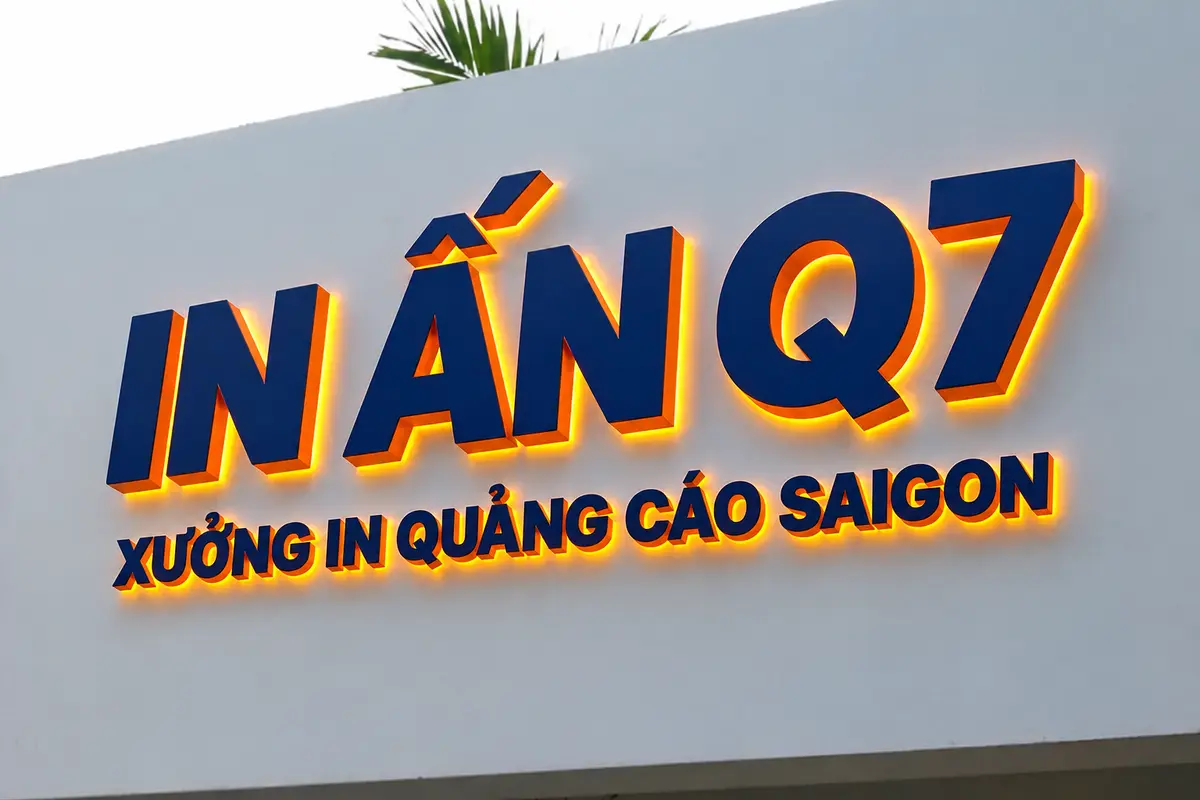
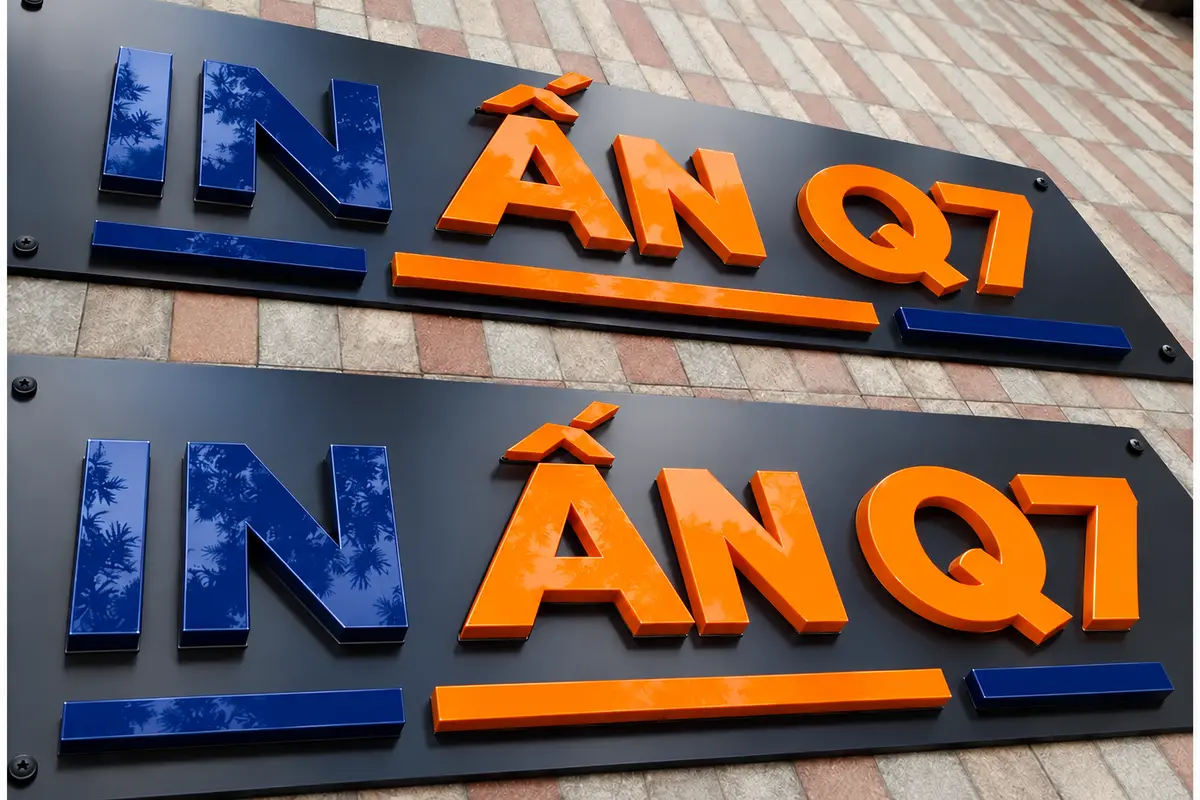
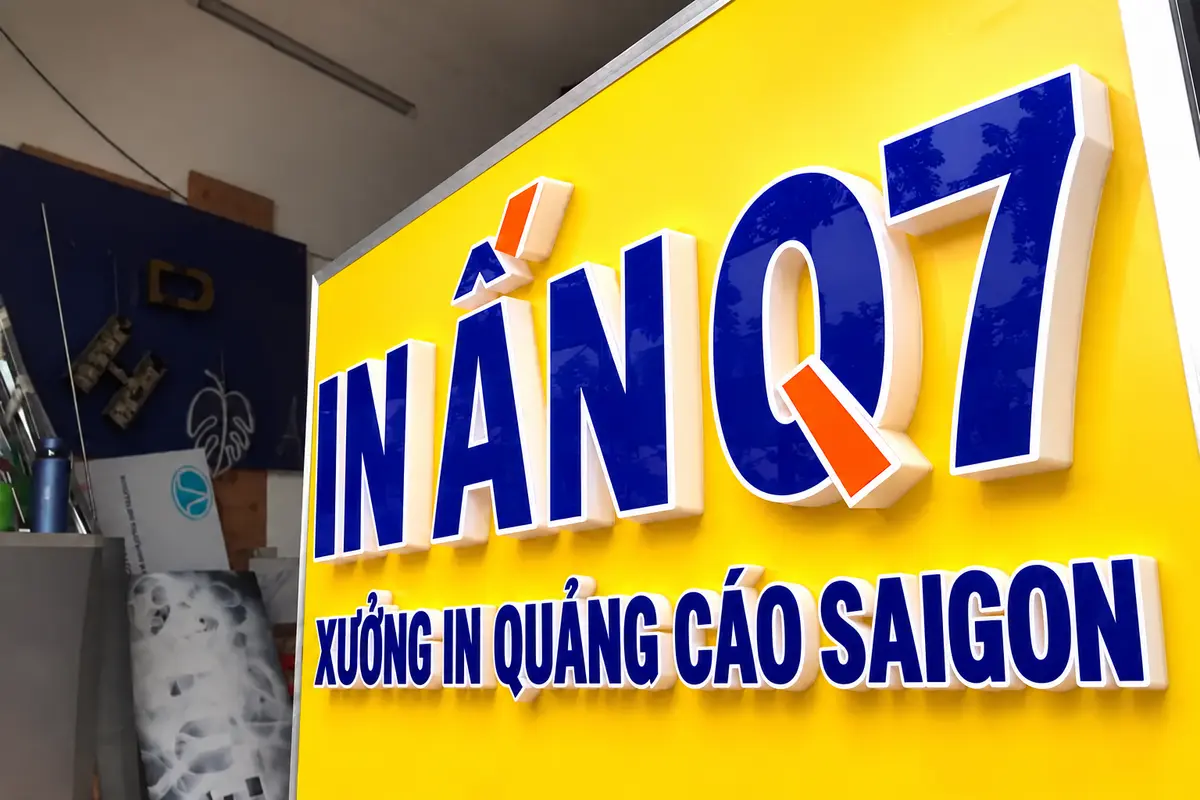
Multi-layer acrylic (Mica) 3D letters are the most popular method: a coloured or clear sheet as the background, with contrasting cut letters glued on top. Under spotlights, the letters cast shadows on the background, giving the sign depth.
Three ways to mount acrylic (Mica) signs on the wall
- Stainless steel standoffs (decorative screws) — four standoffs hold the sheet a few centimetres off the wall, creating a shadow behind. This is the most familiar style for company name boards in lobbies.
- Direct adhesive mounting — double-sided tape for light sheets, flat against the wall; suits direction signs and room number signs.
- Screwing through the sheet — the most secure, used for large signs or places with frequent knocks.
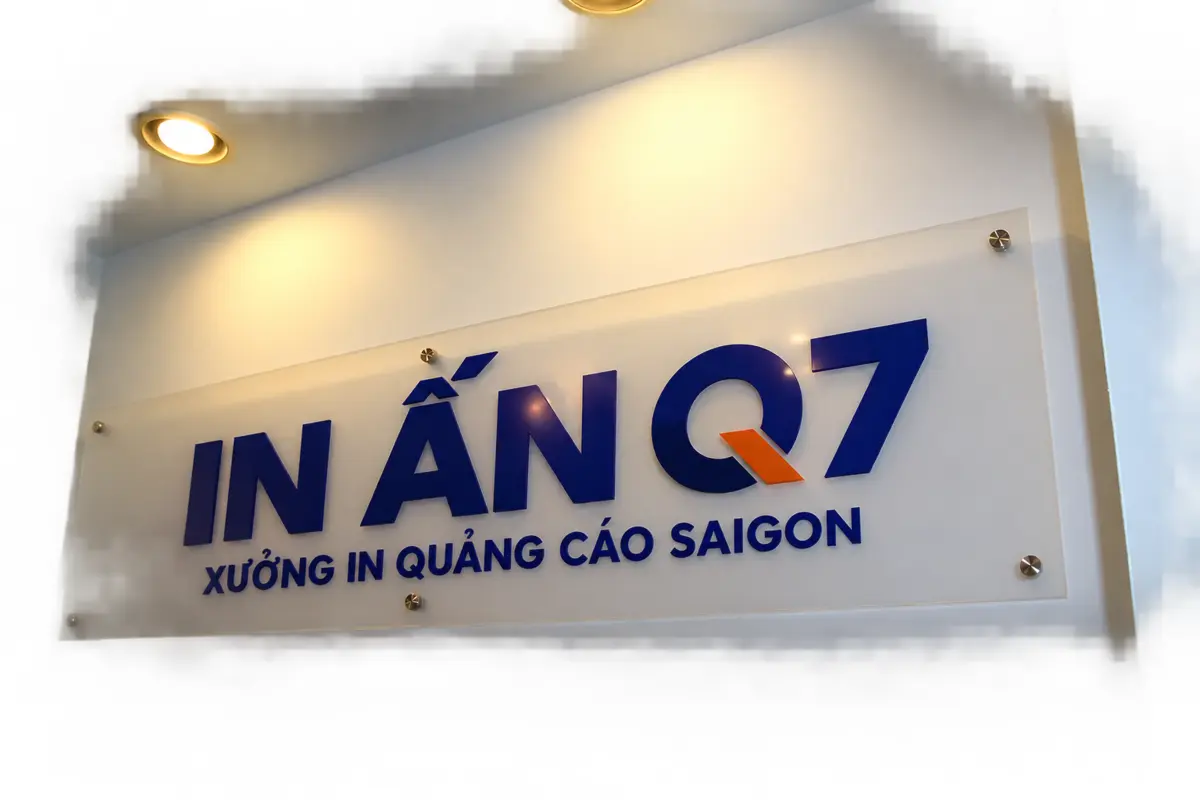
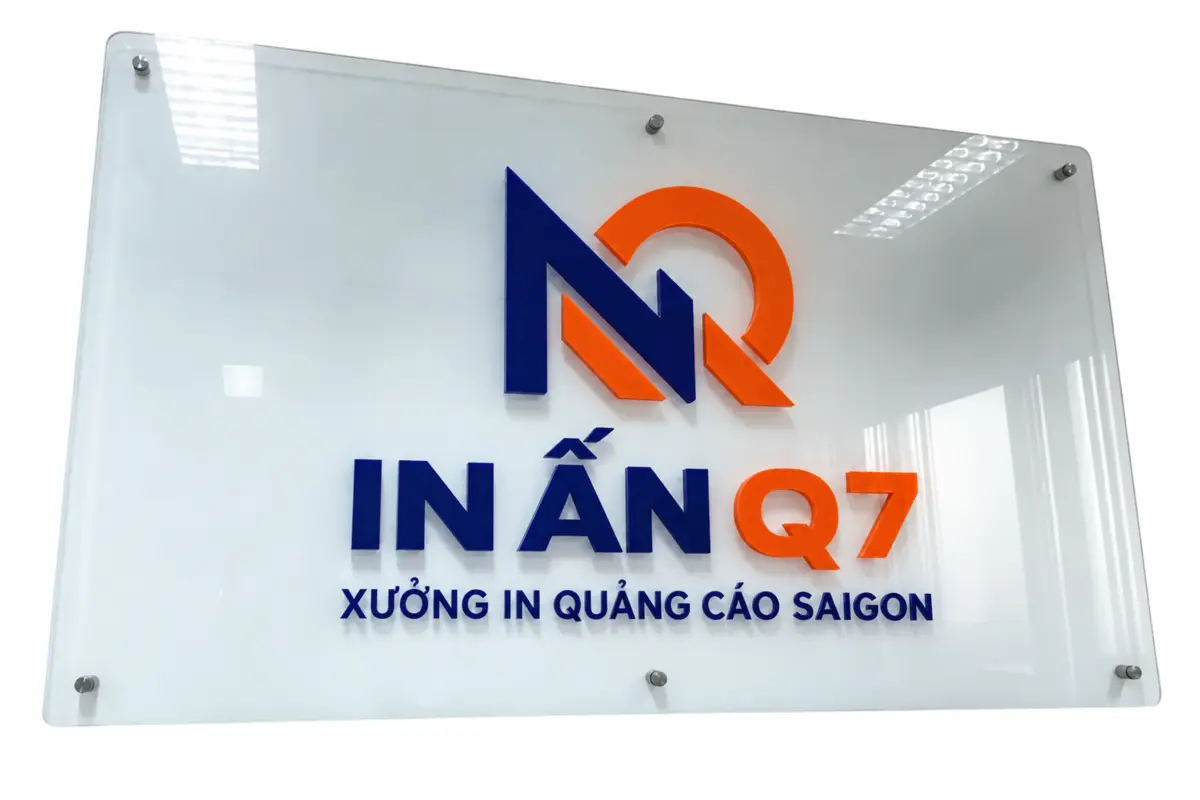
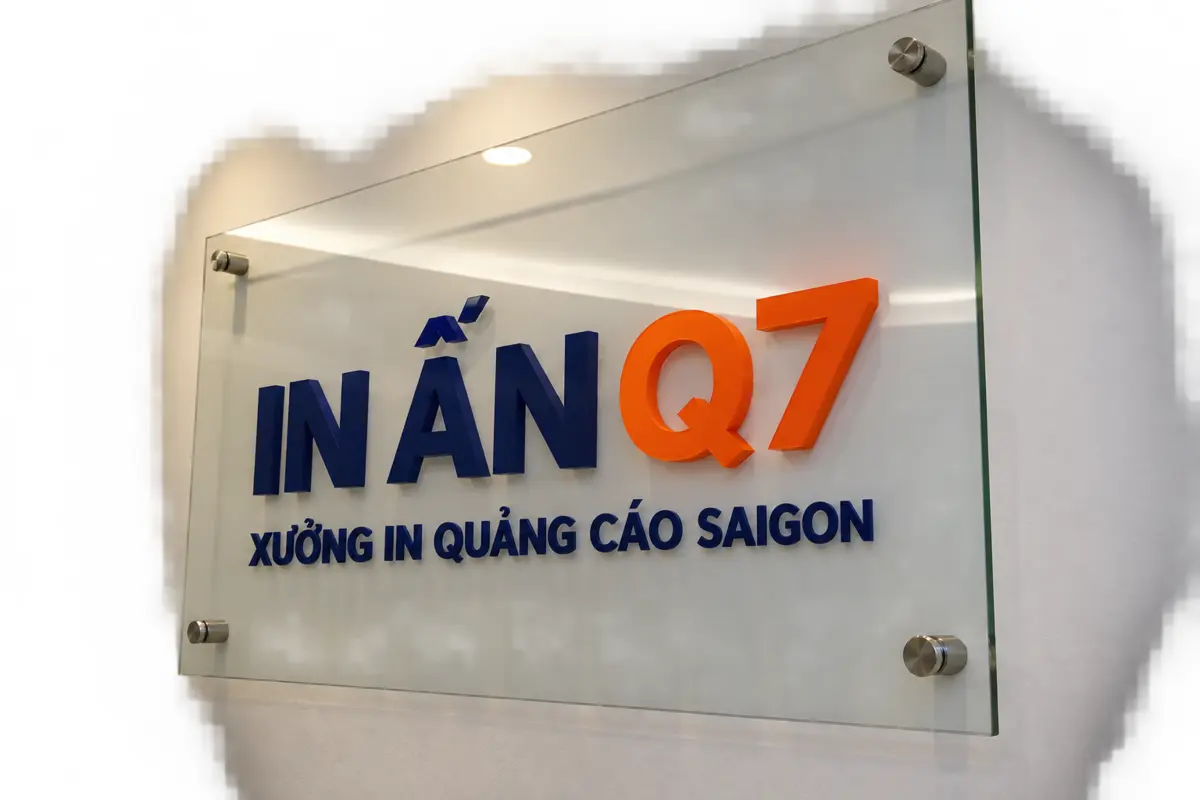
Screw holes should be marked in advance on the file and at least 10mm from the edge, otherwise the sheet can easily crack when the screws are tightened. Brick walls need drilling and wall plugs; plasterboard walls need special anchors or switching to adhesive mounting.
Commonly ordered acrylic (Mica) items
- Company name boards in the lobby — clear sheet on stainless steel standoffs, with back-printed text or 3D letters glued on.
- Department signs, room number signs, rules boards — small sizes, hung along corridors.
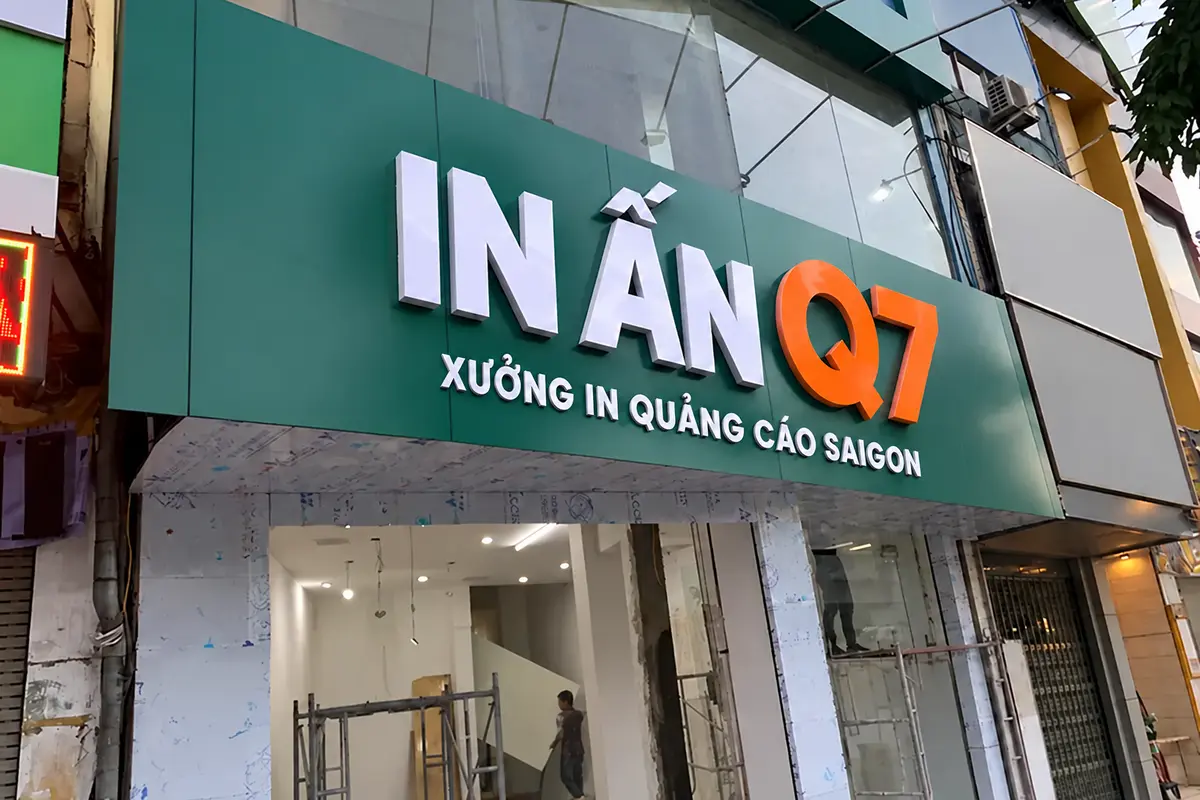
- Wall-mounted 3D letters and logos — shopfronts, reception walls, photo walls.
- Direction signs — floor plans, directional arrows, area signs.
- Desktop stands — leaflet stands, counter price boards, small menu boards.
- Shop decoration — wall letters and symbols in cafés and restaurants.
Related products

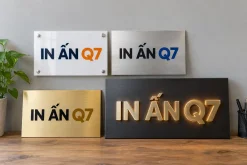
Company nameplates

Light boxes

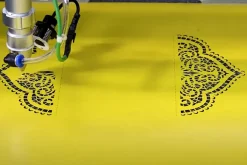
CNC cutting

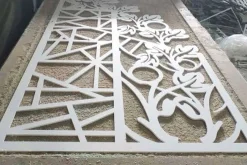
CNC cutting
Suggestions by space
- Company offices — clear acrylic (Mica) name board on stainless steel standoffs in the lobby, department signs along corridors, floor plan boards at the lifts. Order the whole set at once for consistent fonts and mounting.
- Cafés and restaurants — acrylic (Mica) letters and logo on the photo wall, small menu boards on the counter, opening hours signs stuck on the glass.
- Retail shops — counter price boards, leaflet stands, brand 3D letters on the cashier wall.
- Spas, clinics — service boards, room number signs, rules boards; acrylic (Mica) is easy to wipe clean, so it suits places that need to stay clean.
- Showrooms, exhibitions — product information boards, small display stands, area direction signs.
Compared with other signboard materials
| Material | Strengths | Best when |
|---|---|---|
| Acrylic (Mica) | Clear, glossy, edges can be polished, premium look | Lobby name boards, company logos, indoor signs |
| Alu | Stiff, weather-resistant, large sizes | Facades, outdoor signboards |
| Formex | Light, cheap, easy to CNC cut | Display boards, shaped cut backdrops, menus |
| Rigid PVC | Opaque, impact-resistant, cheaper | Direction signs in crowded places, outdoor signs under cover |
In short: if you need clarity and gloss, choose acrylic (Mica); if you need large sizes that withstand sun and rain, Alu; if you need light and cheap, Formex.
How to order an acrylic (Mica) sign
- Send request — sign content, size, hanging location and intended mounting method; send the design file too if you have one.
- The workshop advises — choosing the thickness, clear or coloured sheet, and front or back printing.
- Approve the layout — we send a preview file and check the text, names and screw hole positions.
- Cutting, printing and edge polishing — fabricated according to the approved proof.
- Delivery or on-site installation — the sheet comes with the protective film intact, plus stainless steel standoffs and screws if ordered.
For lobby name boards, we can measure on site to get the exact wall space and hanging height before production.
Tips for preparing files and receiving goods
- Cutting files must be vector, with the cut lines separated from the print and placed on their own layer.
- Mark the screw holes in advance on the file, at least 10mm from the edge.
- Do not make letter strokes too thin — cut letters with strokes under 5mm break easily when peeled off the sheet and when glued.
- Convert text to outlines before sending to avoid font errors.
- Protective film — clear acrylic (Mica) scratches very easily in transport, so we keep the film on until delivery; peel it off after installation.
If you want to see the thickness and colour in person before deciding, visit our workshop at 49 Mai Van Vinh, Tan Hung Ward, Ho Chi Minh City — samples are available for comparison.
For size, measure the actual wall space and leave some breathing room on both sides rather than going right to the edges: a sign that fills almost the whole wall looks cramped, while a sign about two thirds of the wall width usually looks right. For lobby name boards, the usual hanging height puts the centre of the sign about 150–160cm above the floor.
If the sign has several lines of text in different sizes, tell us which line is the main one so we can balance the line spacing; it is a small detail but it decides whether the sign looks neat or cluttered.
Common mistakes when ordering for the first time
- Sending image files instead of vector files — the cutter needs paths; JPG or PNG images have to be redrawn, which takes extra time and can distort the letters.
- Not specifying clear or coloured sheet — the same design looks very different on a clear background and a white background; check samples first.
- Letters too thin — strokes under 5mm cut out separately break as soon as they are peeled off the sheet, before they even reach the wall.
- Forgetting to measure the actual wall space — only after the sign is made do you find it clashes with switches, sockets or door frames.
- Peeling off the protective film too early — the glossy surface scratches very easily during drilling and installation; keep the film on until the last screw is in.
- Overtightening the screws — the sheet cracks outwards from the screw hole; tighten just enough and use plastic washers if available.
Care and cleaning of acrylic (Mica) signs
- Wipe with a soft damp cloth and diluted dishwashing liquid; strictly avoid alcohol, thinner and strong solvents because they craze the surface.
- Do not wipe dry with a rough cloth — grit trapped in the cloth leaves very visible scratches on the glossy surface.
- Signs placed in direct sun all day for many years may yellow slightly; prefer indoor or covered locations.
- Back-printed clear sheets are less prone to scratches because the ink layer is on the inside.
Frequently asked questions
Are Mica and acrylic the same thing?
Yes. Acrylic is the material name, while mica is the common name in the Vietnamese advertising trade. Some places also call it acrylic plastic or plexiglass.
Should I choose 3mm or 5mm?
For small signs mounted flush to the wall, 3mm is enough. Signs on stainless steel standoffs, load-bearing stands or sheets over 40cm should use 5mm so they do not sag.
Can you make illuminated 3D letters?
Yes, but illuminated letters are a separate construction with a frame, face and LED array. Describe the installation location and size, and we will survey and propose a solution.
Can the sign be placed outdoors?
Yes, in covered locations. For direct outdoor sun and rain and large sizes, alu is much more durable.
Can complex shapes be cut?
Yes, as long as the file is vector and the strokes are not too thin. The more fine details a shape has, the thicker the sheet should be so the details do not break.
How soon can I pick it up?
Flat signs with straight cuts are usually the fastest. Orders with CNC shape cutting, edge polishing or back printing need extra fabrication time; we will give a specific date when quoting.
Sign size by hanging position
Choose the sign size by the reading distance, not by the empty space on the wall. A sheet that is too large next to a walkway feels obstructive, while one that is too small in a wide lobby goes unnoticed.
| Placement | Reading distance | Usual size | Main line font size |
|---|---|---|---|
| Office doors | Under 1 meter | 20x30cm or 25x35cm | 20–28pt |
| Reception desk | 1 to 2 metres | 40x60cm | 40–60pt |
| Lift lobby | 2 to 4 metres | 60x90cm | 70–90pt |
| Ground floor shopfront | 4 to 8 metres | 80x120cm and up | 100pt and up |
| Corridor direction signs | 1 to 3 metres | 30x40cm | 30–40pt |
| Room number signs | Under 1 meter | 10x15cm | 18–24pt |
A suitable hanging height puts the centre of the sign at the eye level of a standing person, about 1.55 to 1.65 metres from the floor. Direction signs are hung slightly higher so passers-by do not block them.
For signs placed outdoors or in direct sun, leave a gap behind for heat to escape. Sheets pressed flat against the wall in strong sun can warp slightly over time, especially large sizes.
If the building has many signs in the same system, standardise one size for each type and produce them in a batch. This is both cheaper and looks tidier along the whole corridor.
Preparing files before sending
Before sending the file, the points below decide whether the print comes out sharp and true to colour. Most errors come from the file preparation, not from the printer.
- Vector files (AI, PDF, CDR) for text and logos; photos need 300 dpi at the actual size.
- Convert fonts to outlines before sending to avoid text shifting when opened on another computer.
- CMYK color mode from the start; RGB files converted at print time turn dull, most visibly in greens and oranges.
- Leave a 5 mm safety margin around the edges, so text and logos do not touch the cut line.
- White areas need an underprint: on transparent sheets, white areas need an extra layer of white ink to become opaque.
- Screw holes: mark the positions on the file if you want them pre-drilled, with the hole diameter.
If you do not have a file yet, send the text and logo via Zalo; the design team will lay it out at the exact size and send a preview. Production starts only after approval, so there are no surprises after it is made.
When receiving the goods, peel off the protective film last — after drilling and installation are done. The film protects the sheet surface from scratches during installation; peeling it early defeats its purpose.
Order acrylic (Mica) fabrication at In Quảng Cáo Q7
Send the design file with the size, desired thickness and intended mounting method, and we will advise on cutting, printing and installation. We also offer on-site measurement and installation. Contact 0866.511.099 or drop by the workshop at 49 Mai Van Vinh, Tan Hung Ward, Ho Chi Minh City. Production & delivery: 8:00–12:00 & 13:00–18:00 Mon–Sat (closed Sun) · Consultation & orders: 8:00–12:00 & 13:00–20:00 Mon–Sat; 14:00–19:00 Sun.
View directions to the workshop on Google Maps
Need printing or signage in Ho Chi Minh City?
In Quảng Cáo Q7 runs its own print workshop in Tân Hưng Ward (former District 7), Ho Chi Minh City, producing and installing signage, banners, window graphics, exhibition booths and event displays. Send us the size, material, quantity and a photo on WhatsApp and we will get back to you.

Phone: +84 866 511 099 · Also on WeChat
Workshop: 49 Mai Văn Vĩnh, Tân Hưng Ward, Ho Chi Minh City
Learn more real photo of a block acrylic light box mounted on the side of a shopfront.