






































































Our commitments
Printed directly in our workshop, no middlemen
Digital and offset presses right in our workshop. You deal directly with the people who make your order, so every request is understood and handled immediately.
Fast production, many orders ready the same day
Business cards, documents, decals, standees… printed and delivered the same day. See production times for each product group.
One point of contact, all-in-one from file to finished product
Quotes, orders, Zalo messages, delivery booking and invoicing run automatically on one system. Design – printing – finishing – installation all happen in-house, so you don't have to go anywhere else.
Full VAT invoices, issued fast
E-invoices issued right after delivery, with urgent support for businesses that need documents early for payment.
UV DTF Stickers
From 240.000 ₫
UV DTF stickers that apply to any curved surface, with a raised 3D finish, durable and premium. Priced per running meter, minimum 1 meter.
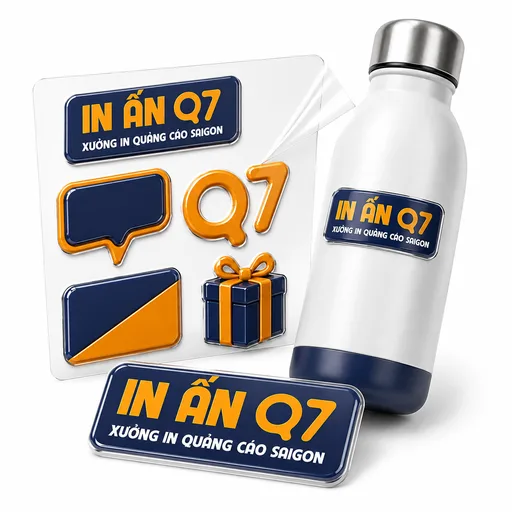
Raised 3D UV DTF Sticker Printing That Applies to Any Surface
UV DTF stickers are printed with UV ink onto transfer film and applied directly to products, gripping curved and uneven surfaces where regular decal slips. In Quảng Cáo Q7 prints UV DTF stickers per running meter, 29cm or 58cm wide, from 240.000đ/meter.
What are UV DTF stickers
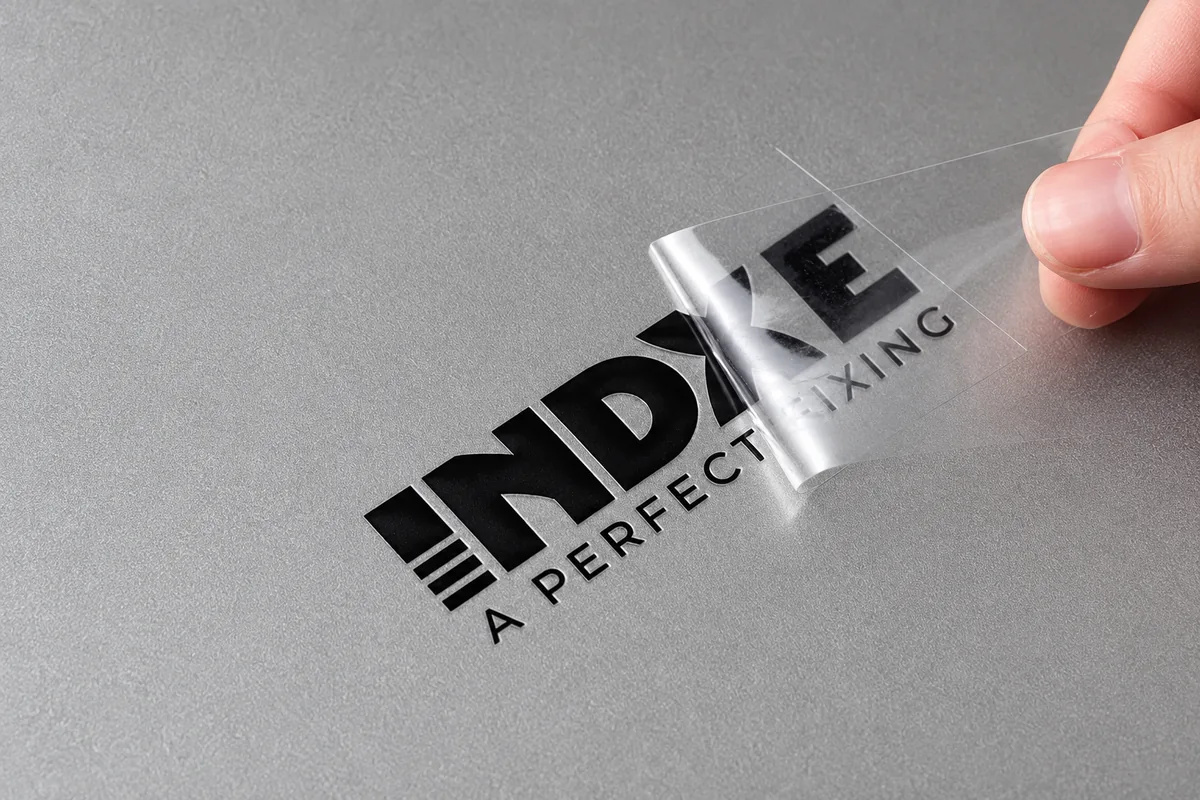
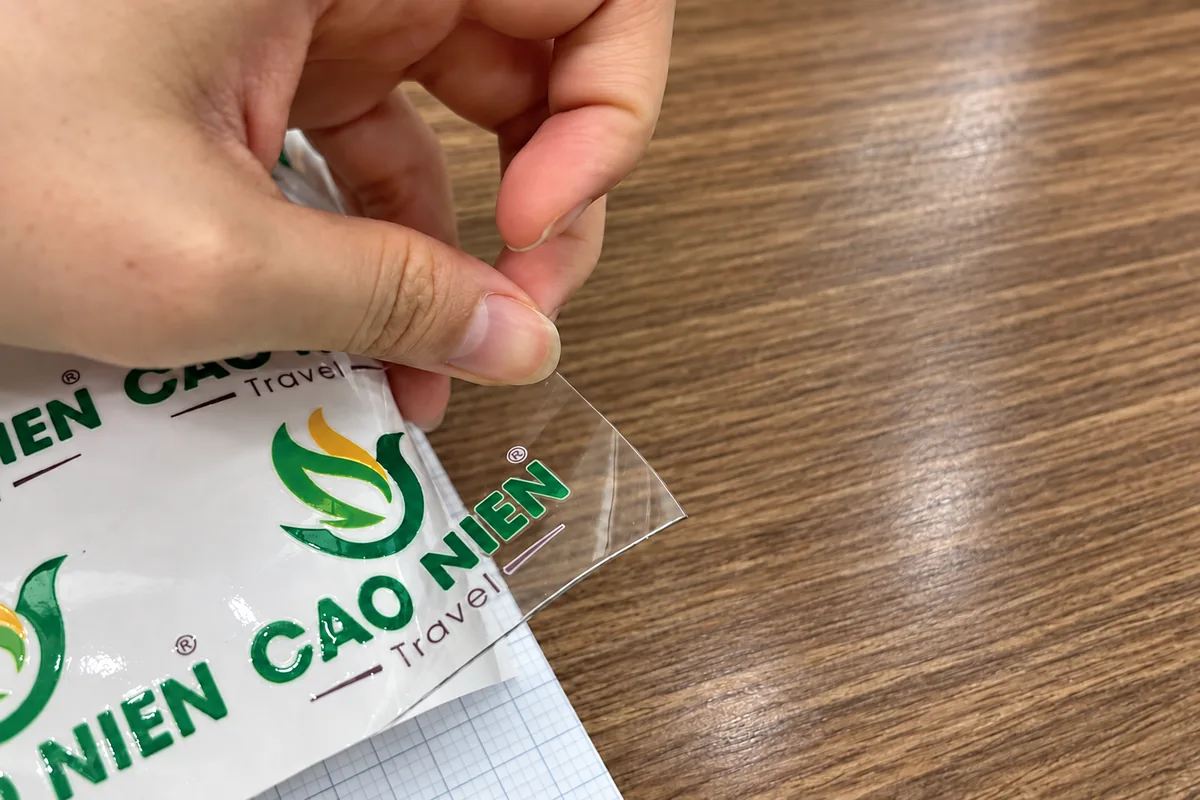
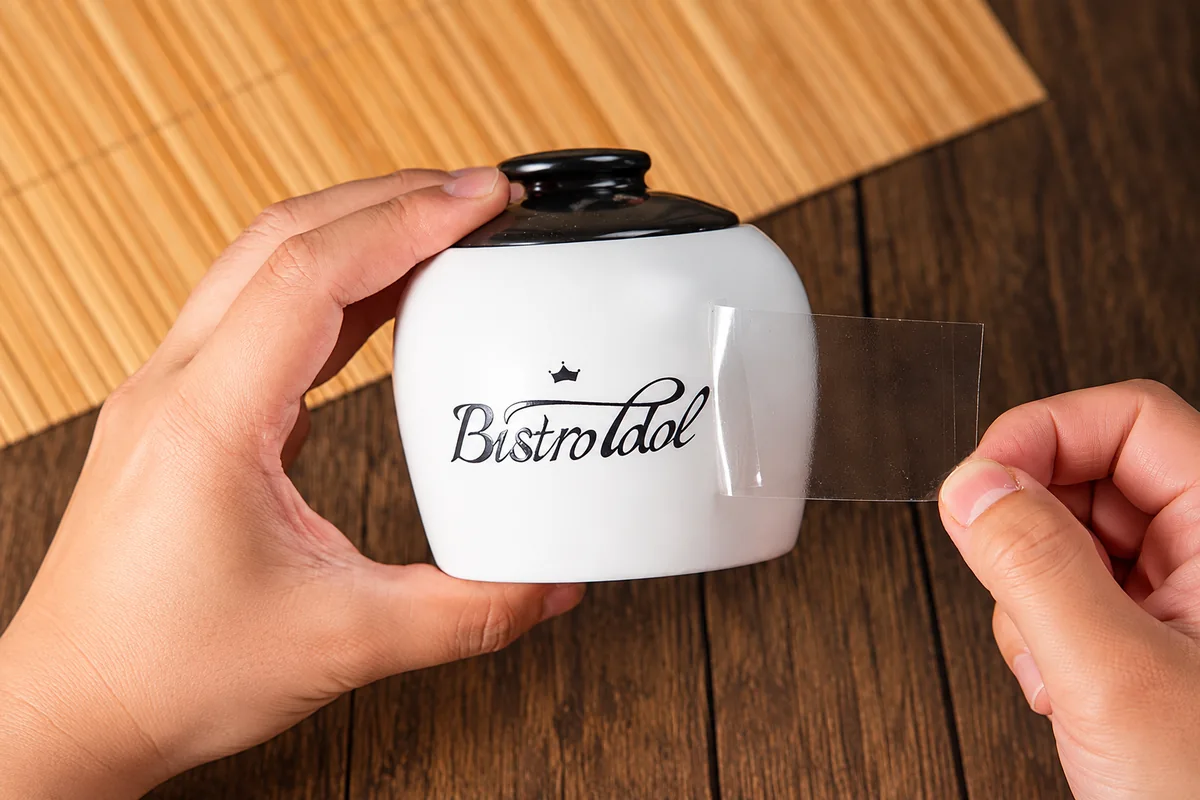
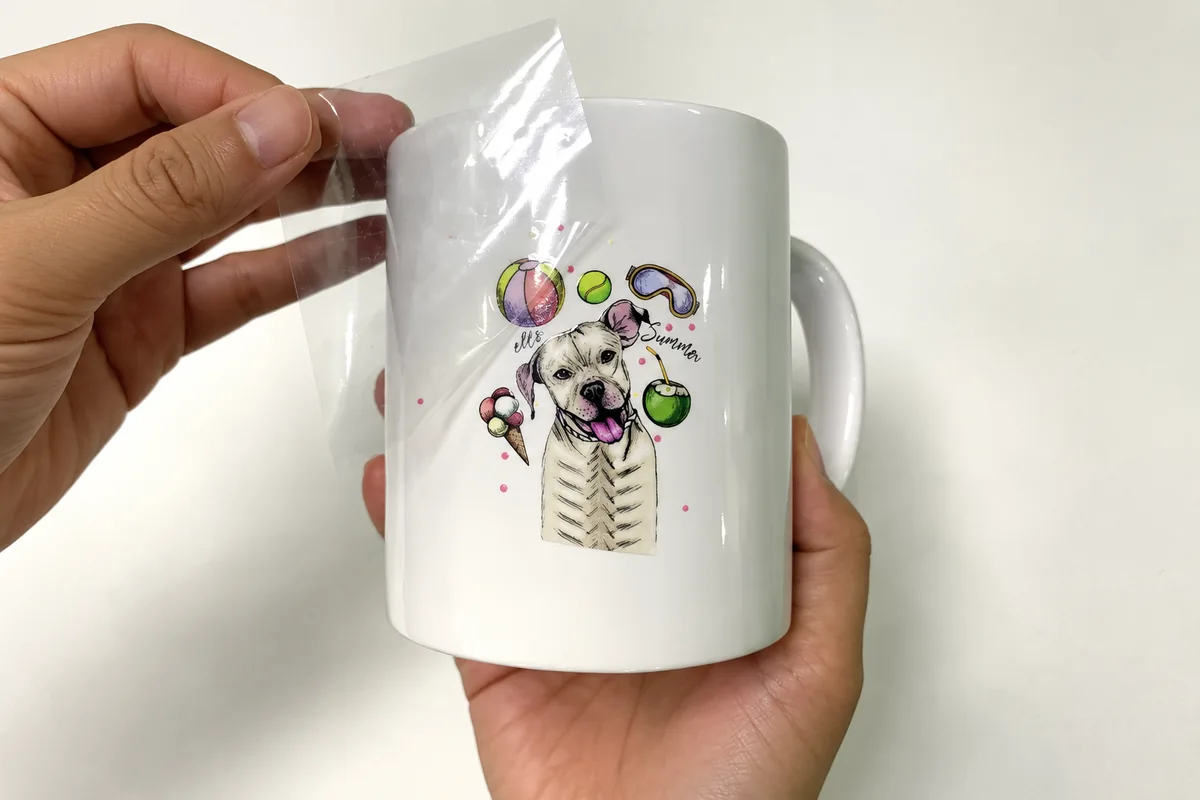
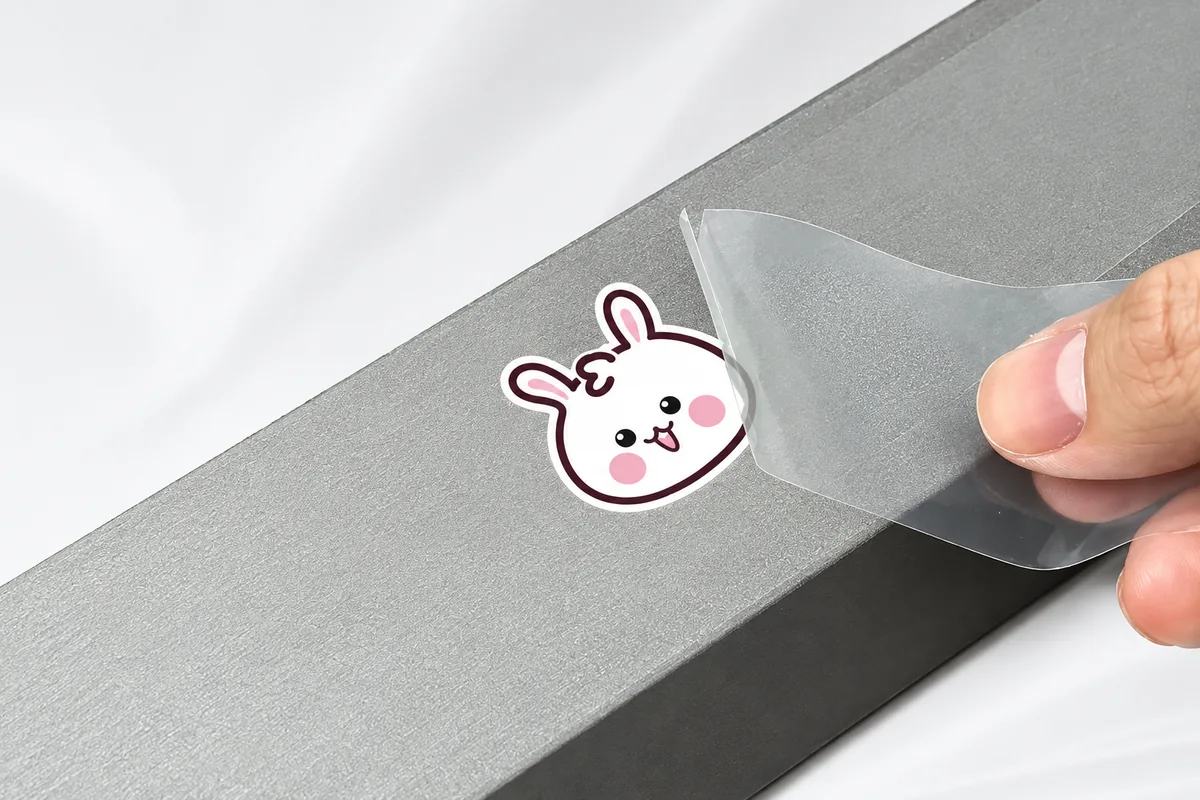
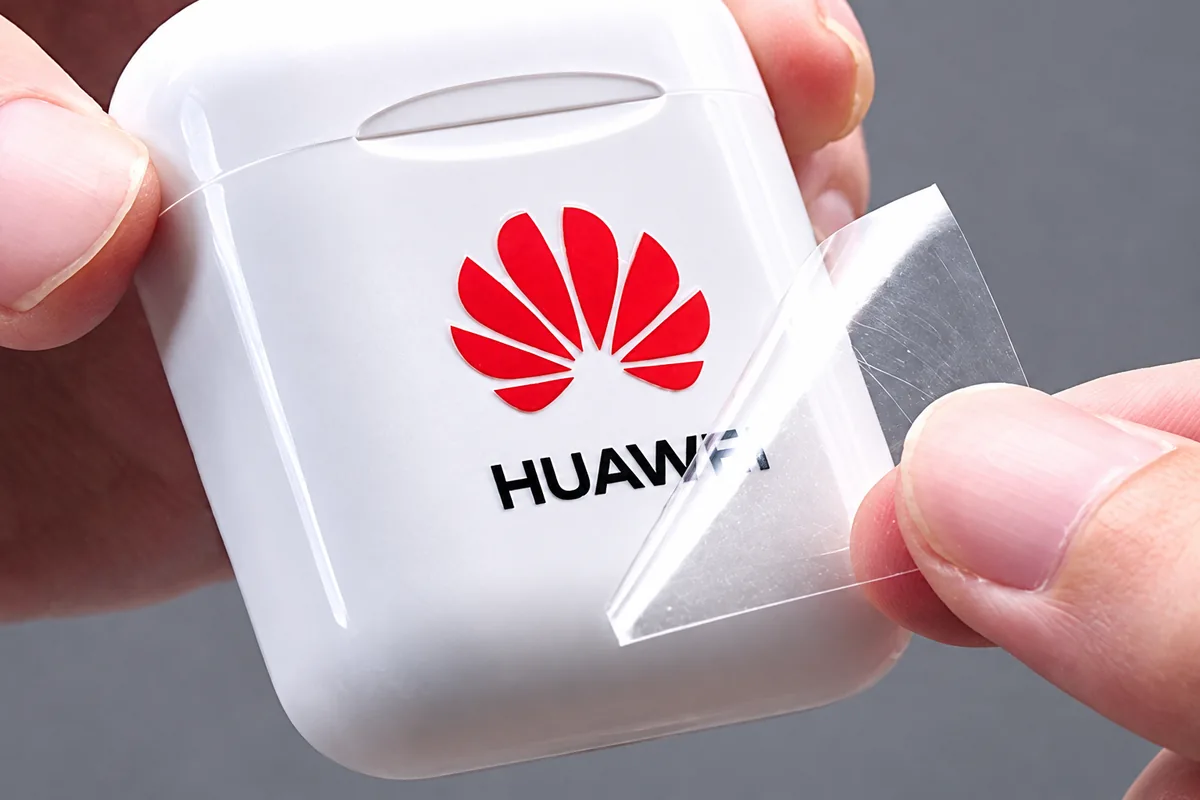
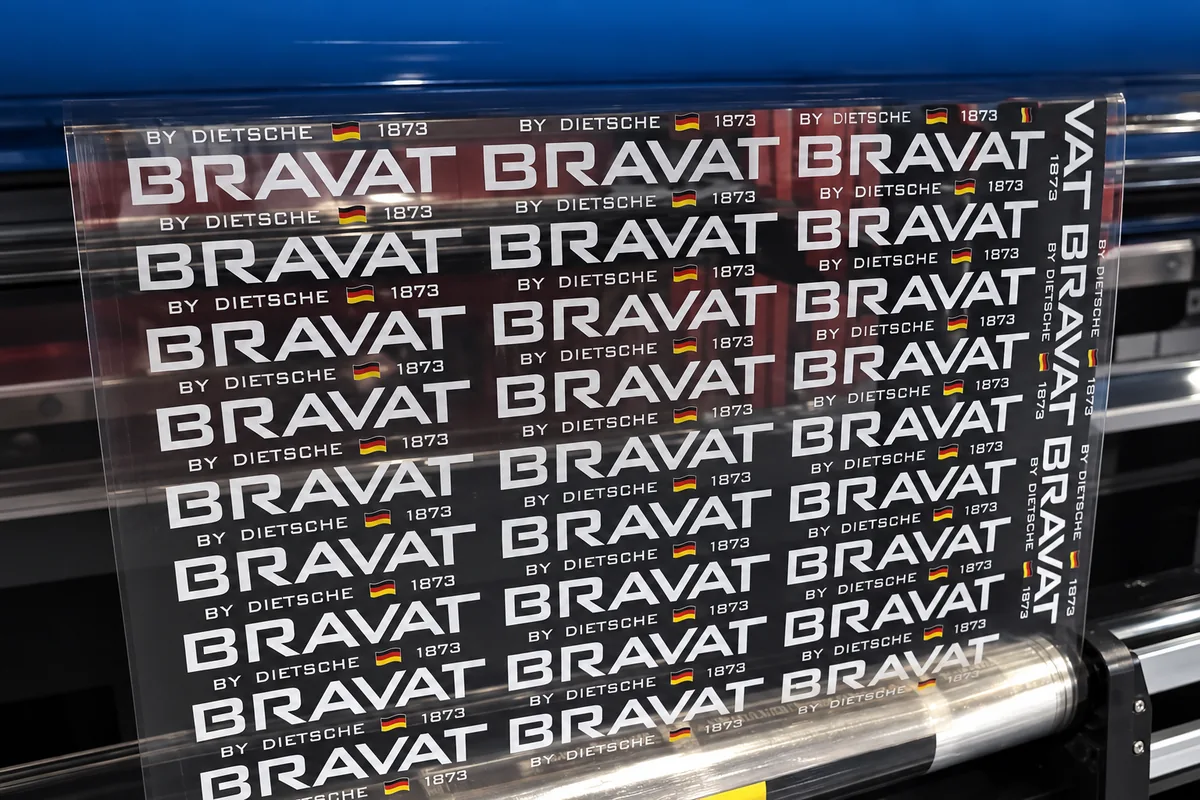
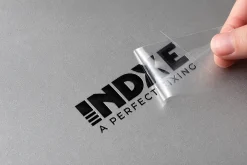
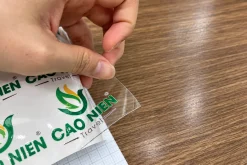
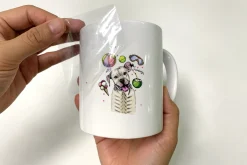
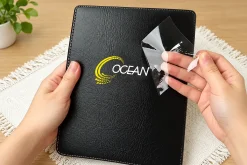
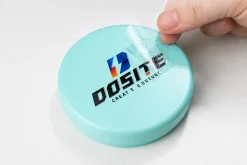
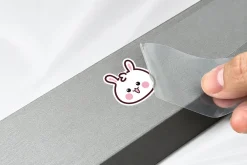
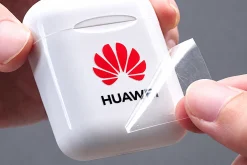
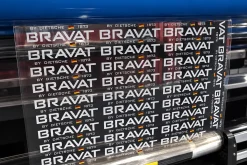
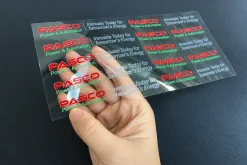
DTF stands for Direct To Film — printing directly onto film. With UV DTF stickers, UV ink is printed in layers onto a clear film, coated with adhesive, then topped with a transfer film. To apply, you peel off the backing, press the adhesive side onto the product, rub it down and remove the transfer film — what remains on the product is just the printed image, with no clear plastic border around it.
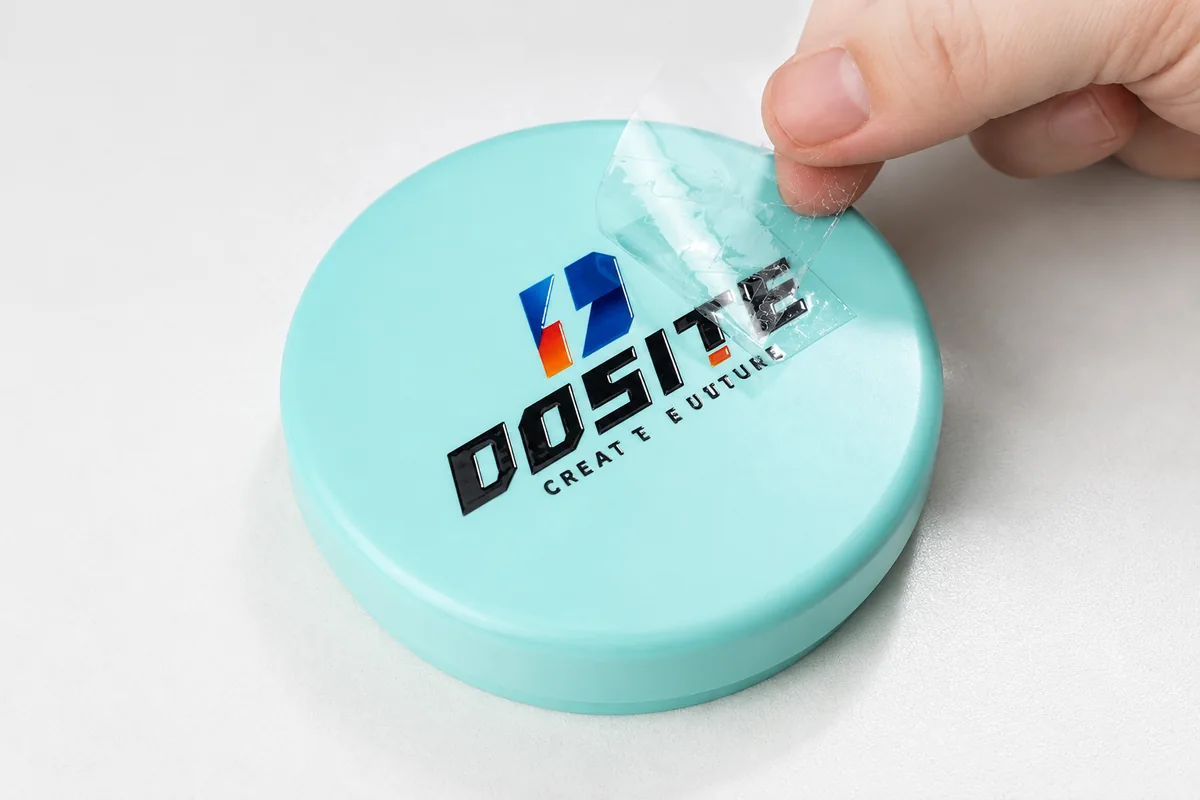
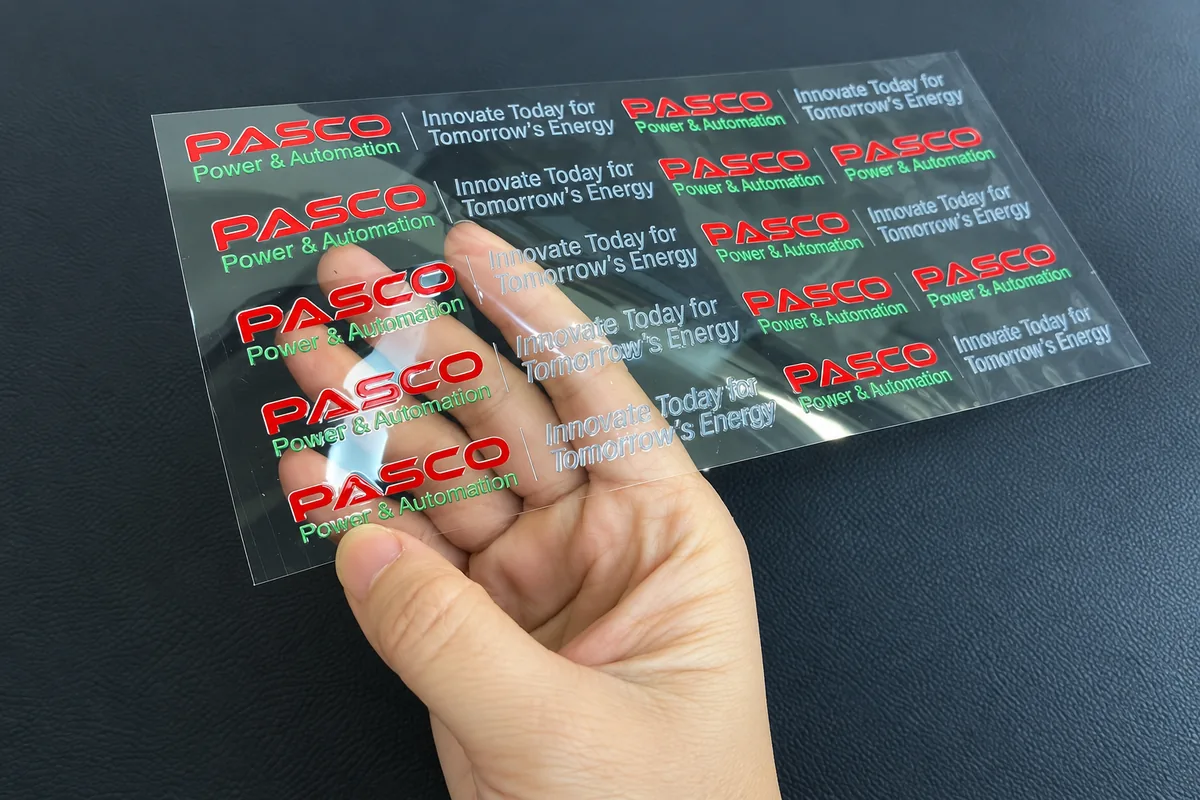
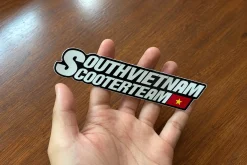
What makes this sticker type popular is its raised 3Dsurface: the ink builds up with each print pass, so you can feel the raised letters and strokes. Once applied, the sticker looks printed directly on the product rather than like an added sticker.
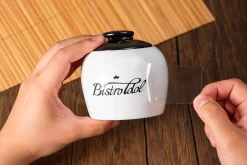
The UV ink layer hardens after curing, so the stickers are waterproof, scrub-resistant and hard to scratch. Ceramic mugs, insulated bottles and jars washed by hand many times keep their images, which is why gift and packaging products use this sticker type instead of regular printed decal.
How they differ from regular decal
Many people ask why not just apply decal to save money. The difference lies in three things:
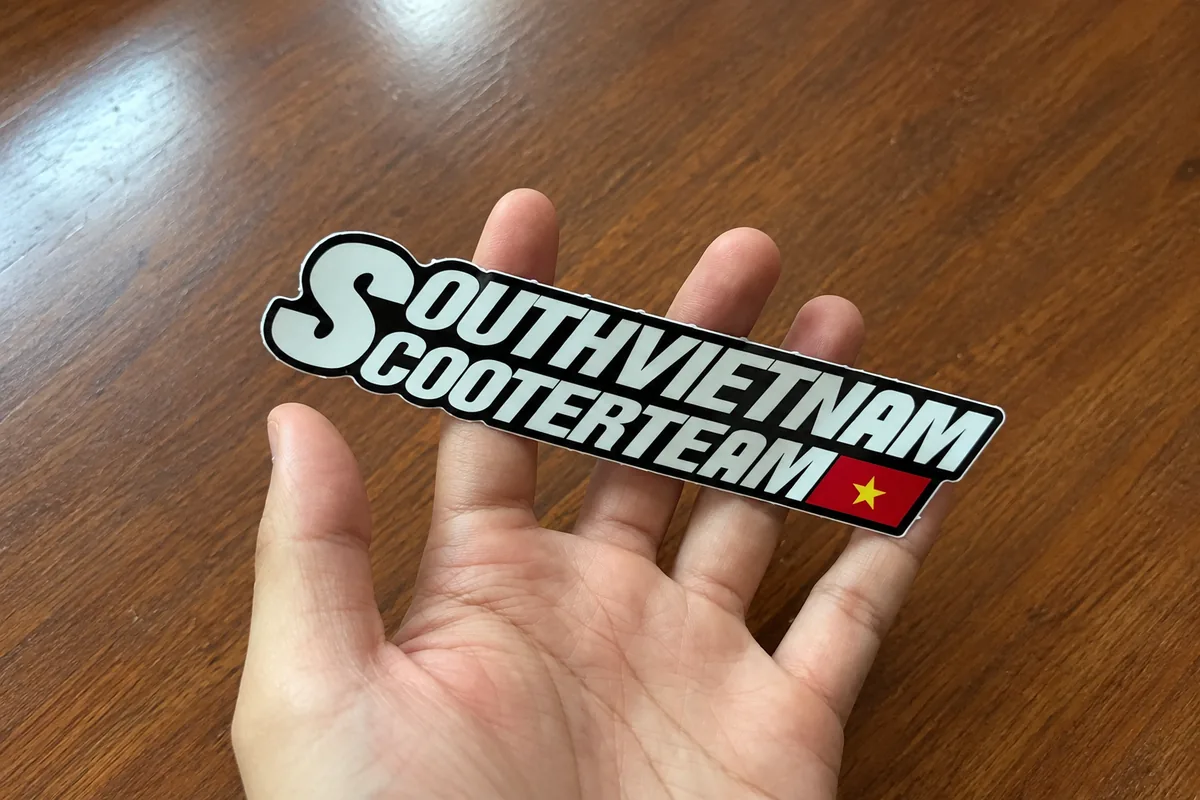
- No clear backing — die-cut decal still leaves a thin plastic rim around the strokes. UV DTF stickers transfer only the artwork, with the product surface showing right up to the letter edges.
- Grips curved and textured surfaces — decal on round bottles or textured ceramics often bubbles and peels at the corners. UV DTF stickers have softer adhesive that follows the curve.
- Raised and thick — decal is flat; UV DTF stickers are raised, catching light differently and looking more premium on gift products.
In return, UV DTF stickers cost more than decal and are priced per running meter rather than per sheet. For high-volume labels on flat surfaces, paper decal labels remain the more sensible choice on price. UV DTF stickers are for parts of a product that need to look premium: gift boxes, mugs, bottles, devices.
Which surfaces they apply to
UV DTF stickers grip well on most hard, smooth or slightly textured surfaces. Below are the item groups customers order most.
Ceramics, porcelain and glass — jars, mugs, bowls, vases, glass bottles. This is where these stickers shine most, since the surfaces are curved and smooth and paper decal is very hard to apply flat.
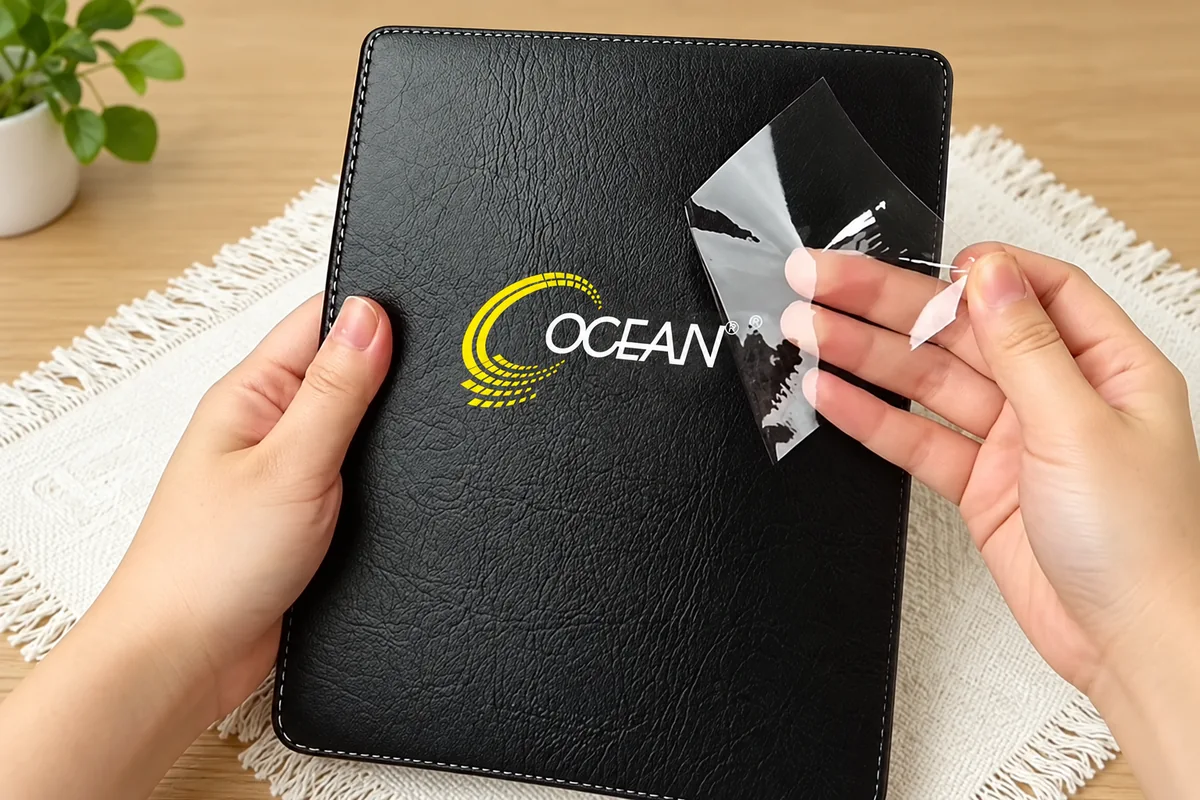
Cardboard, leather and wood — notebook covers, gift boxes, round boxes, wooden trays, leather wallets. Stickers on these surfaces feel directly printed, often used for corporate gifts with logos.
Plastic and metal — device casings, safety helmets, insulated bottles, suitcases, plastic crates. Curved plastic surfaces are where UV DTF stickers replace decal best, since they don't wrinkle around curves.
Surface should not be applied to: fabric and soft stretchy surfaces (these use heat-transfer DTF, not UV DTF stickers), surfaces with oil or dust that haven't been cleaned, and surfaces with anti-stick coatings such as silicone.
How to apply UV DTF stickers
Applying UV DTF stickers needs no machines, but doing it in the wrong order makes the image shift or trap air bubbles. The correct sequence:
- Clean the surface with a dry cloth or alcohol and wait until completely dry.
- Peel off the backing, holding the sticker by the transfer film on top.
- Place one edge down first, align it, then lower the rest gradually to avoid air bubbles.
- Rub evenly from the center outward with a finger or plastic squeegee, paying attention to small strokes.
- Remove the transfer film slowly and at an angle, not by yanking it straight up.
- If any stroke hasn't transferred, press the transfer film back down, rub again, then continue peeling.
On strongly curved surfaces such as mug bodies or round box lids, apply from the center of the image outward to both sides and peel the film in two stages. Let the sticker rest for about a day before washing; once the adhesive has fully set, the edges won't peel later.
How pricing per running meter works
UV DTF stickers are priced per running meter: the width is fixed by the film size and the length is charged by the meter. The minimum is 1 meter; longer lengths are charged per running meter and decimals are accepted.
- 29cm wide — from 240.000đ/meter.
- 58cm wide — from 400.000đ/meter.
Because the price is per meter of film strip rather than per sticker, the real cost of each sticker depends on how densely you fill the sheet. One meter at 58cm wide is 0.58 m² of print area — arrange densely and you get a great many small stickers; arrange sparsely and the empty film is still charged.
If you're not sure how many stickers one meter yields for your design, send the file or sticker size via Zalo; we'll do a trial layout and tell you the number per meter before printing.

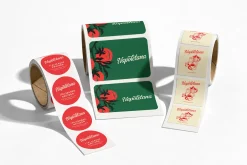
Labels & stickers

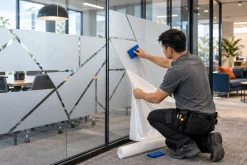
Decal application

Price tags

Business cards
Arranging stickers on the sheet to save money
This is what decides the real cost of a UV DTF sticker order, so it's worth taking time over.
- Stickers in the same file should be spaced at least 4mm apart so cutting them apart doesn't cut into the strokes.
- Rotate shapes to fit the film width: long stickers lie horizontally, square stickers in rows.
- Combine several different designs on the same strip if printed in the same run; there's no need to print each design separately.
- Leave about 1cm margin on both sides of the film strip; the outermost edge shifts easily when cutting.
- If a design needs many copies, repeat it on the same sheet instead of ordering several times.
Lettering or logos with complex outlines are still possible; cutting along the design outline is a standard step with UV DTF stickers. Just note that strokes thinner than 1mm make the transfer film hard to remove, so they're usually thickened slightly when building the file.
Design file requirements
A correct file helps UV DTF stickers come out with the right colors and cut lines on the first print:
- File PDF or AI, color mode CMYK.
- Images at least 150dpi at actual size; for small stickers use 300dpi.
- Leave 3mm bleed on each edge; strips from 100cm up need a 5cm safe area.
- Minimum spacing between stickers 4mm.
- Text must be converted to outlines before sending.
- If the background must be transparent, export the file with an alpha channel; don't leave a white background.
No file yet? We offer design: send your logo, text and desired sticker size, and we'll build the design with a layout plan on the film strip and send it for approval before printing. If the order includes packaging, it can be done in the same run as paper bags to combine production schedules.
Calculating the number of stickers per meter of film
Because the price is per running meter of film strip, the number of stickers you get depends on how densely the shapes fill the sheet. The table below shows reference numbers of stickers per meter, after allowing for spacing.
| Sticker size | Per 1 meter at 29cm wide | Per 1 meter at 58cm wide |
|---|---|---|
| 2 × 2 cm | About 13 rows x 6 columns | About 13 rows x 13 columns |
| 3 × 3 cm | About 9 rows x 4 columns | About 9 rows x 9 columns |
| 4 × 4 cm | About 6 rows x 3 columns | About 6 rows x 6 columns |
| 5 × 5 cm | About 5 rows x 2 columns | About 5 rows x 5 columns |
| 3 × 7 cm | About 9 rows x 2 columns | About 9 rows x 4 columns |
| 6 × 10 cm | About 4 rows x 2 columns | About 4 rows x 4 columns |
The figures above are for reference and vary with sticker shape and layout. Because pricing is per meter of film strip rather than per sticker, filling the sheet densely is the most effective way to reduce the cost per sticker when ordering uv dtf stickers.
Grouping several designs on the same film strip
One film strip can hold many different sticker designs, as long as they share the same width. This is the most economical approach for businesses with several product lines.
- Group designs of the same width into one file, arranged in even rows and columns.
- State the desired quantity for each design so we arrange them in the right proportions.
- Keep spacing between stickers so peeling one doesn't pull the neighboring one.
- Place the most-used designs in the middle of the strip, where they peel more easily than near the edges.
- If designs have different widths, they must be split into two separate orders.
| Situation | Should you combine? | Reason |
|---|---|---|
| Several product lines of the same brand | Yes | Same width, same material |
| Brand stickers and seal stickers | Yes | Used together on one product |
| Stickers for two different brands | Consider | Easily mixed up when peeling without notes |
| Stickers with printed expiry dates | No | Content changes with each batch |
| Stickers of different widths | Not possible | Different film widths |
When combining several designs, number each design in the file and add matching notes in your message. That way, when you receive the film strip, you know where each design is without inspecting every sticker.
Notes by application surface
These stickers grip many surfaces, but each surface has its own notes for application. The table below summarizes common cases.
| Surface | Adhesion | Application notes |
|---|---|---|
| Ceramic mugs and cups | Very good | Clean and let dry completely before applying |
| Water bottles and plastic bottles | Very good | Apply from one edge, then smooth gradually along the curve |
| Glass | Very good | Avoid areas with deeply raised patterns |
| Paper gift boxes | Good | Don't apply on areas with flaking metallic coating |
| Hardcover notebooks | Good | Avoid applying near the spine, which bends often |
| Glossy glazed ceramics | Very good | Wipe off glaze dust before applying |
| Slightly uneven surfaces | Good | Smooth the sticker edges thoroughly |
| Surfaces with oil or wax | Poor | Clean with a dry cloth before applying |
- Test one sticker first and check adhesion after a few hours before applying the whole batch.
- Don't apply while the surface is still damp, as the adhesive won't fully bond.
- For large gift orders, assign each person a single design to avoid mix-ups.
If the product will be in frequent contact with water, tell us when ordering so we can advise on layout and how to smooth the edges. The 3D raised surface means the edges need the most careful smoothing so water doesn't seep in.
Using UV DTF stickers for event gifts
One of the most popular uses of these stickers is personalizing event gifts. Instead of printing the logo directly on each item, you print a strip of stickers and apply them to ready-made products.
| Gift item | Placement | Common sticker size |
|---|---|---|
| Ceramic mugs with a company logo | Mug body, opposite the handle | 5 × 5 cm or 6 × 10 cm |
| Insulated water bottles | Bottle body, middle section | 4 × 4 cm or 5 × 5 cm |
| Hardcover notebooks | Bottom right corner of the front cover | 3 × 3 cm or 4 × 4 cm |
| Paper gift boxes | Center of the box lid | 5 × 5 cm or larger |
| Canvas tote bags | Center of the front of the bag | 6 × 10 cm |
| Ceramic tea sets | Teapot body and each cup | 2 × 2 cm for cups |
| Keychains and small items | The largest flat surface | 2 × 2 cm |
This lets one sticker strip serve many types of gifts, as long as the sticker size suits the surface. Since the minimum is one meter, try one strip first before ordering the quantity for the whole gift run.
UV DTF sticker printing and delivery areas
UV DTF stickers are printed at our workshop at 49 Mai Van Vinh, Tan Hung Ward, Ho Chi Minh City, delivered within the city or shipped to other provinces.
- Around the workshop — District 7, Phu My Hung, District 4, District 8, Nha Be, Binh Chanh. Orders of one to a few meters are quick to pick up, ideal when you need to test-apply them on your actual products first.
- Central area — District 1, District 3, Binh Thanh, Phu Nhuan, Tan Binh. Delivered to your shop or packing warehouse.
- Rest of the city — Thu Duc, Go Vap, Tan Phu, District 10, District 11, District 12, Binh Tan, Hoc Mon, Cu Chi.
- Other provinces — sent by courier. Stickers are rolled in paper tubes, never folded, since creases make the adhesive separate from the film early.
UV DTF stickers are priced per running meter, so if you plan to apply them across several batches of goods, ordering everything at once saves more than ordering separately. Unused stickers keep well if left rolled in a dry place away from direct sunlight.
Frequently asked questions
Can UV DTF stickers be applied to shirts? No. Soft, stretchy fabric surfaces need a different heat-transfer DTF. UV DTF stickers are for hard surfaces.
Can they be peeled off after applying? They can be peeled, but the sticker will be ruined and can't be reapplied. Align carefully before lowering the first edge.
Do they peel in a dishwasher? Hand washing is durable. Dishwashers run hot and long, so they're not recommended, especially in the first week after applying.
What is the minimum order? A minimum of 1 meter at the chosen width. Under one meter is still charged as one meter, so arrange enough designs to fill the strip.
Can white be printed? Yes. White ink is printed as an underlayer, so white text and light colors stand out clearly on dark products.
29cm or 58cm wide — which should I choose? For small stickers and few designs, 29cm is enough. For many designs or large stickers, 58cm is more economical since more rows fit on the same meter.
How soon is it ready? UV DTF stickers print and cut quickly, but it also depends on the workshop schedule. Message us on Zalo with your file for a specific delivery date.
Order UV DTF sticker printing at In Quảng Cáo Q7
Message Zalo 0866.511.099 with your design file, sticker size and desired width — we'll reply within 30 minutes during office hours.
Workshop address: 49 Mai Van Vinh, Tan Hung Ward, Ho Chi Minh City.
Consultation and orders: 8:00–12:00 and 13:00–20:00 Monday – Saturday, Sunday 14:00–19:00. Production and delivery: 8:00–12:00 and 13:00–18:00 Monday – Saturday, closed Sunday.
Some images on this page are illustrations.
| Width | 29cm wide, 58cm wide |
|---|---|
| Made at | In Quảng Cáo Q7 workshop – 49 Mai Van Vinh, Tan Hung Ward, Ho Chi Minh City |
| Origin | Vietnam |
| Status | Made to order |
| Warranty | 24 hours from receipt: if you find a printing error or a difference from the approved file, let us know and we will reprint free of charge. |
| Price excl. VAT | 240.000 ₫ – 400.000 ₫ |
| Price incl. 8% VAT | 259.200 ₫ – 432.000 ₫ |
Ordering
Three ways to order: choose the specifications and quantity on the website and click Place order; message us on Zalo or call 0866.511.099; or visit the workshop to see material samples at 49 Mai Van Vinh, Tan Hung Ward, Ho Chi Minh City. During working hours, In Quảng Cáo Q7 replies within about 30 minutes. Most products have listed prices by size, material and quantity – prices exclude 8% VAT.
→ Online ordering guide · Quick quote
Sending design files
PDF or AI preferred, CMYK color mode, 300dpi for small formats, 3mm bleed. Send via Zalo, email inquangcaoq7@gmail.com, the form on our website, or a Google Drive link for large files. We check your file for free before printing; if you have no file yet, In Quảng Cáo Q7 can help with the design.
→ Design file submission guide
Payment
Bank transfer, QR code or cash at the workshop. Orders are confirmed and scheduled for production after payment; after transferring, send a photo of the receipt with your phone number via Zalo. Transfer note: Your name – Phone number – Product.
→ Payment guide
Timing & delivery
Completion time is shown on each product, counted from receipt of a print-ready file and payment confirmation. Pick up at the workshop Monday – Saturday, 8:00–12:00 and 13:00–18:00; urgent orders within Ho Chi Minh City delivered within 2 hours; other provinces via bus courier or express delivery. On receipt, please check quantity, size, material and condition of the products.
Order tracking
Enter the phone number used when ordering to see your orders from the last 90 days and their status: Unpaid → Printing → Printed → Delivering → Invoiced → Completed. For orders placed via Zalo, send your name and phone number to get progress updates.
→ Order tracking
E-invoice (VAT)
In Quảng Cáo Q7 issues 8% VAT e-invoices. Provide the company name, tax code, address and email within 24 hours of ordering; the invoice is issued within 24 working hours and sent by email, and cannot be changed once issued.
→ E-invoice (VAT) details
Misprints – reprints
Products that differ from the order or the approved proof are reprinted free of charge – report within 24 hours with photos. Spelling mistakes in a file you approved are not covered by free reprints.
→ Frequently asked questions (FAQs)
Reviews
There are no reviews yet.