




































































Our commitments
Printed directly in our workshop, no middlemen
Digital and offset presses right in our workshop. You deal directly with the people who make your order, so every request is understood and handled immediately.
Fast production, many orders ready the same day
Business cards, documents, decals, standees… printed and delivered the same day. See production times for each product group.
One point of contact, all-in-one from file to finished product
Quotes, orders, Zalo messages, delivery booking and invoicing run automatically on one system. Design – printing – finishing – installation all happen in-house, so you don't have to go anywhere else.
Full VAT invoices, issued fast
E-invoices issued right after delivery, with urgent support for businesses that need documents early for payment.
Laser Cutting
Contact us for a quote
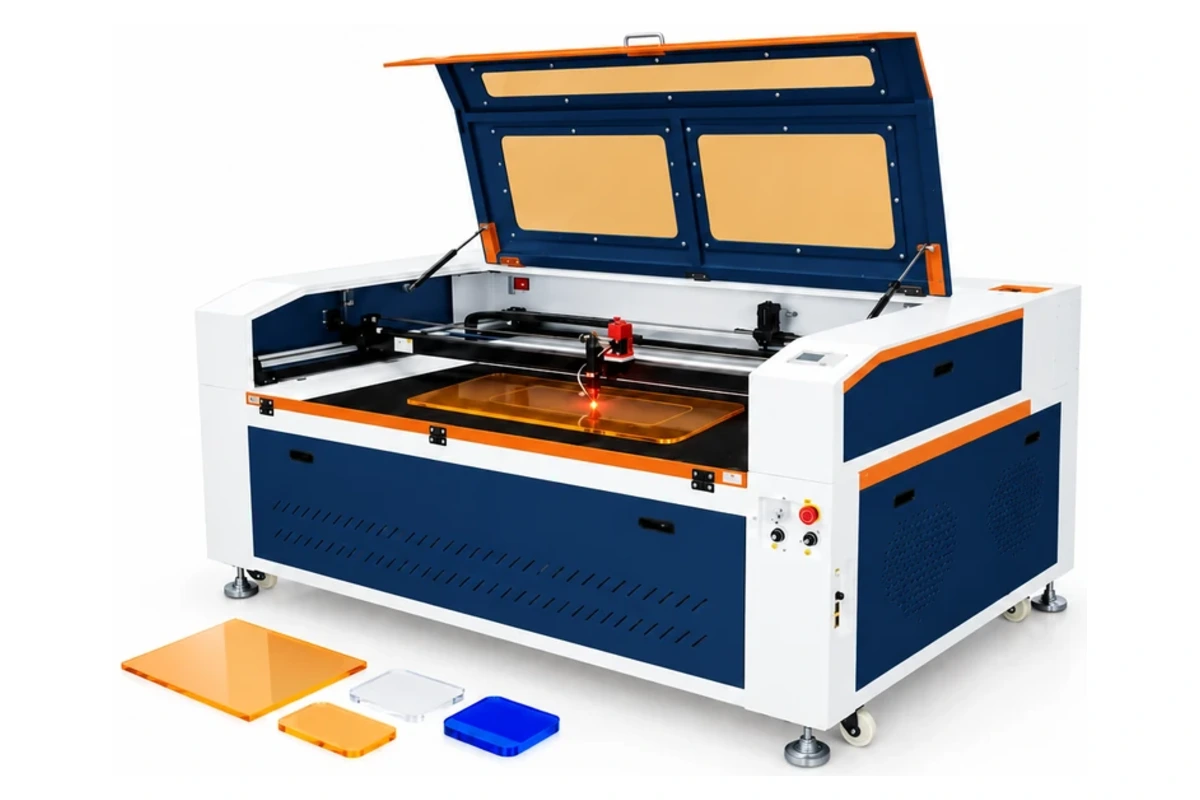
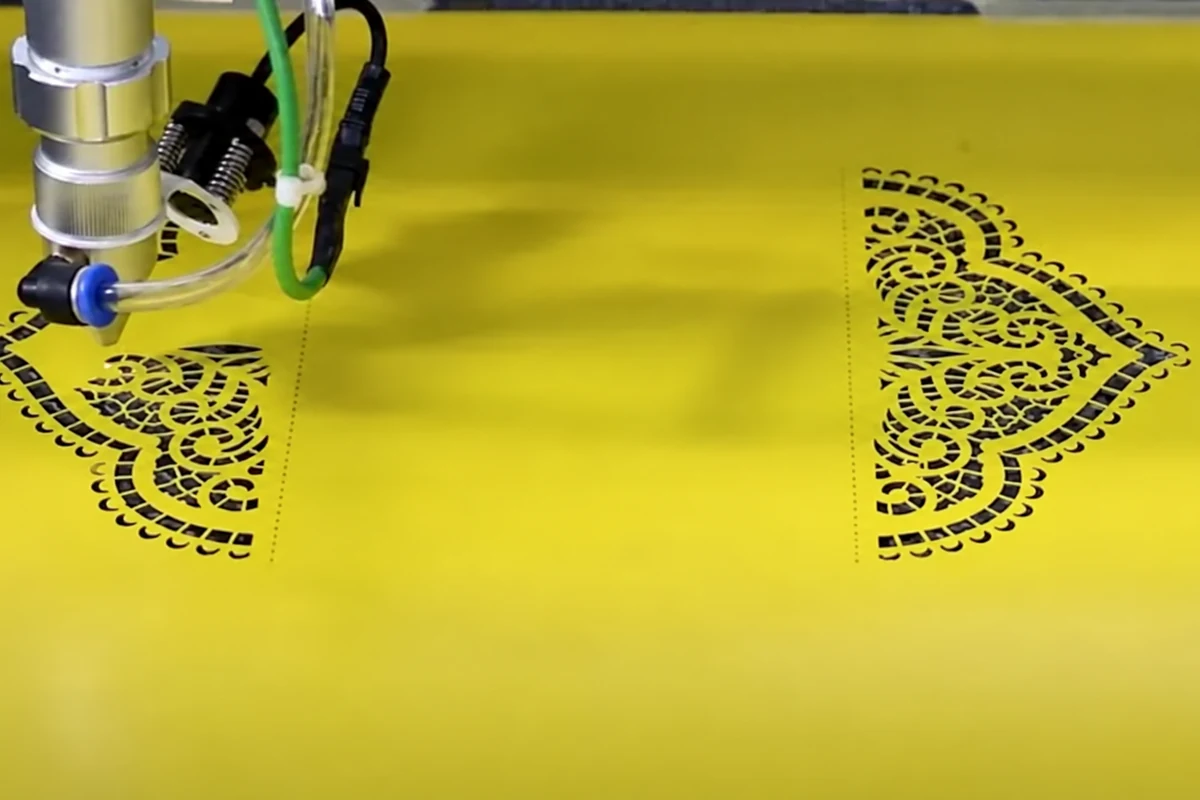
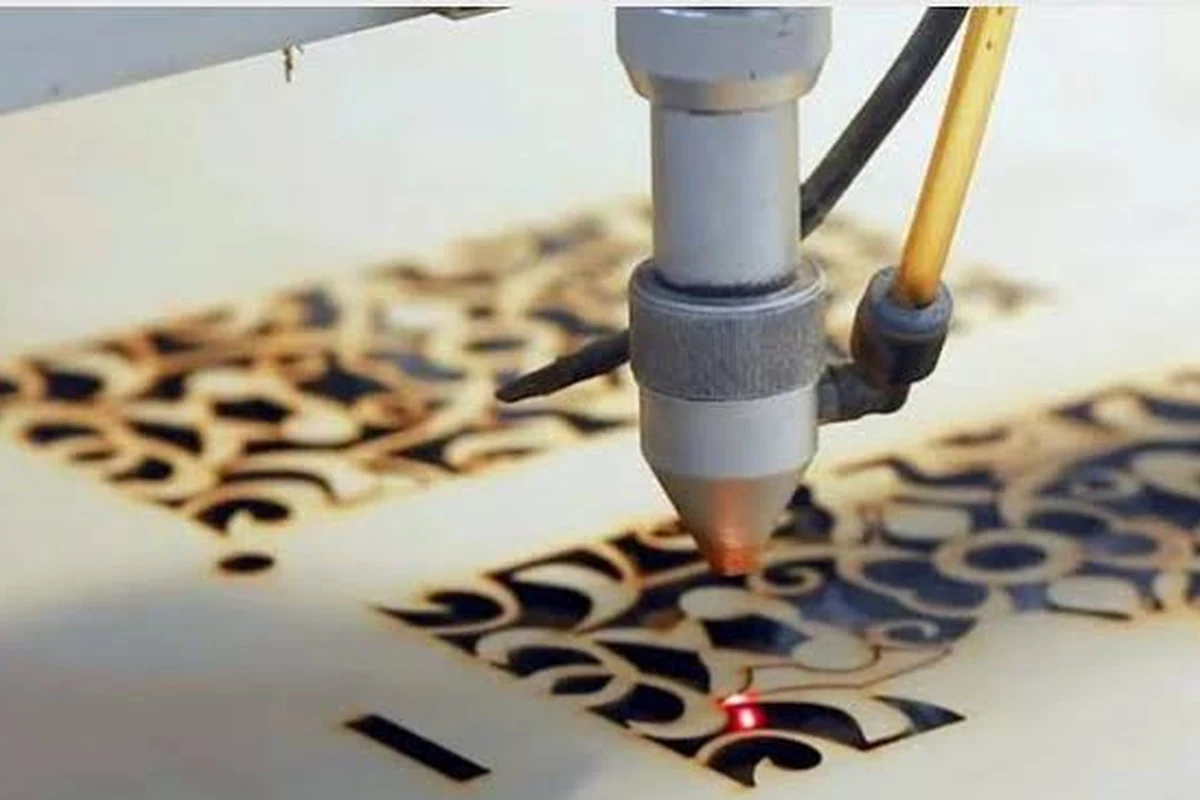
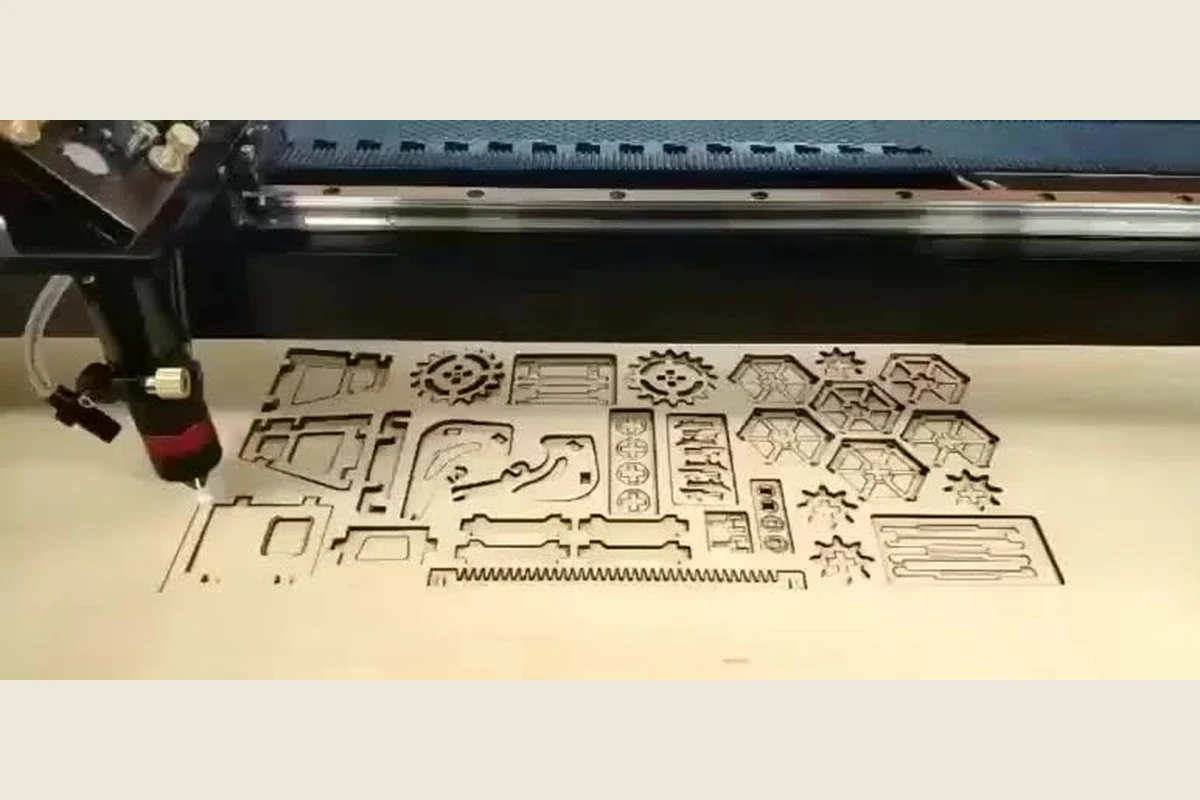
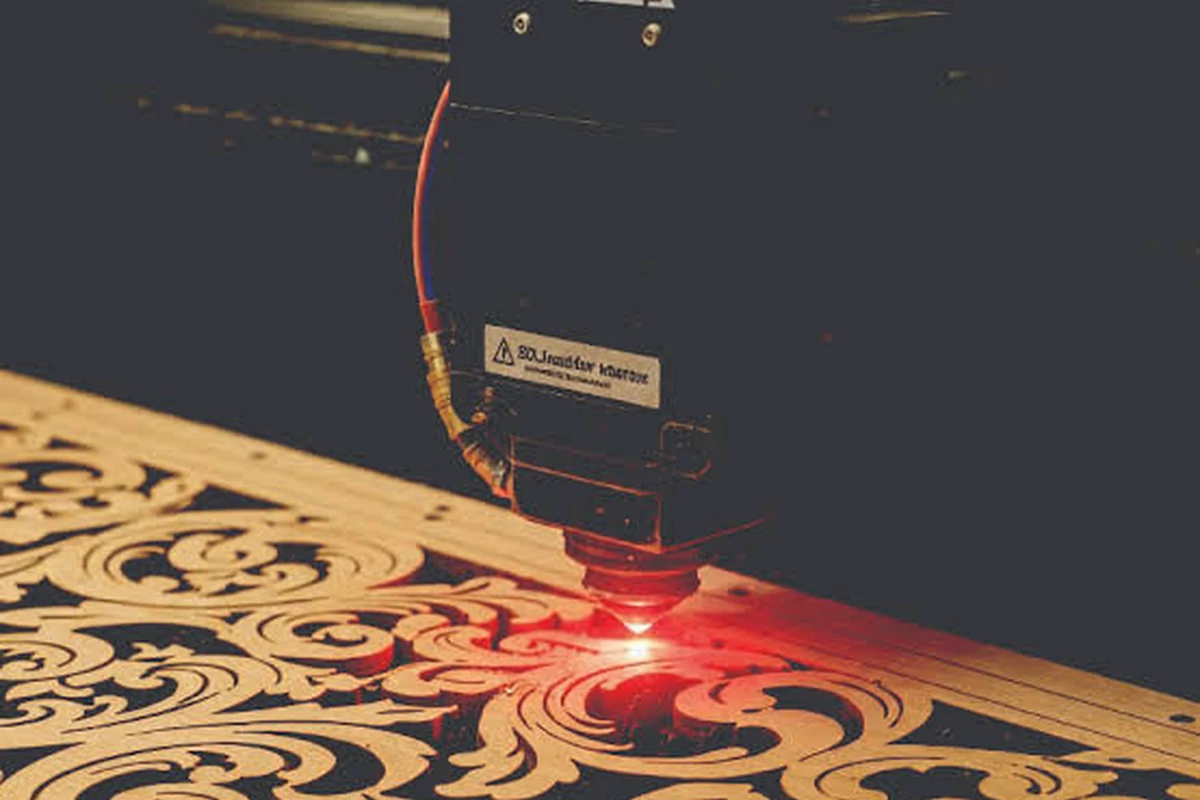
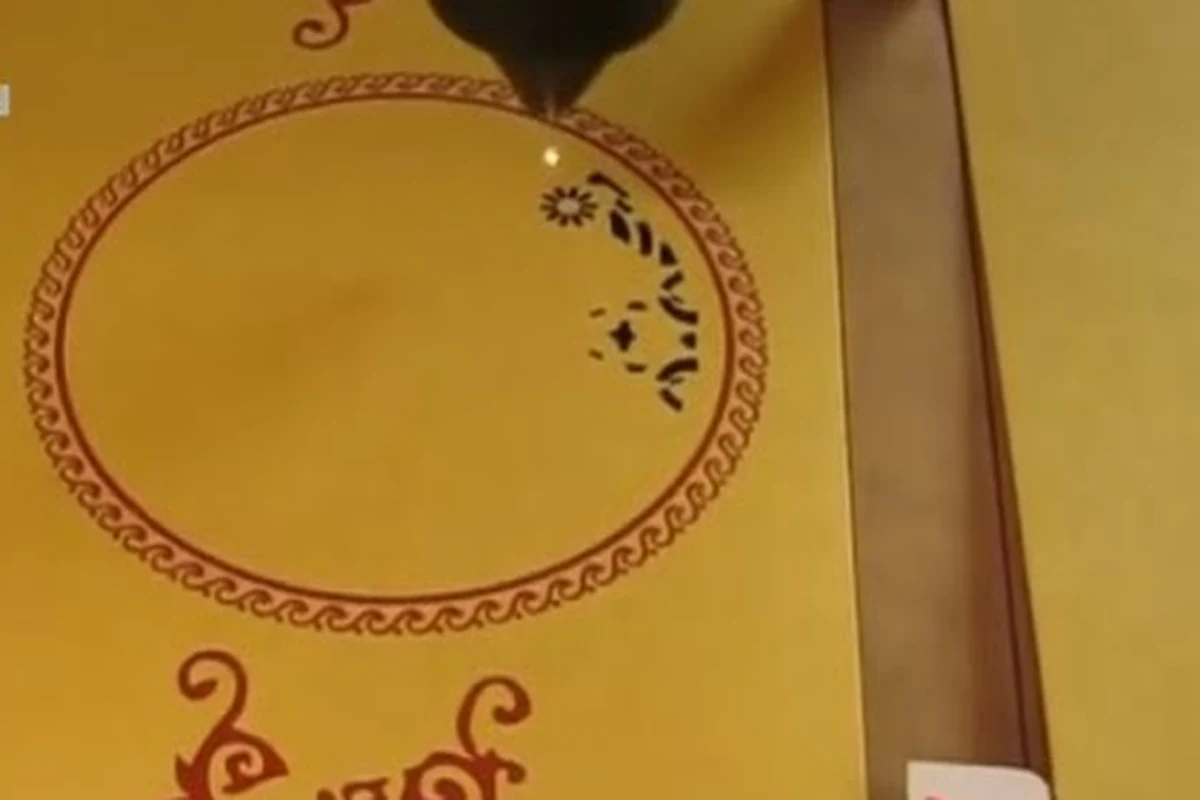
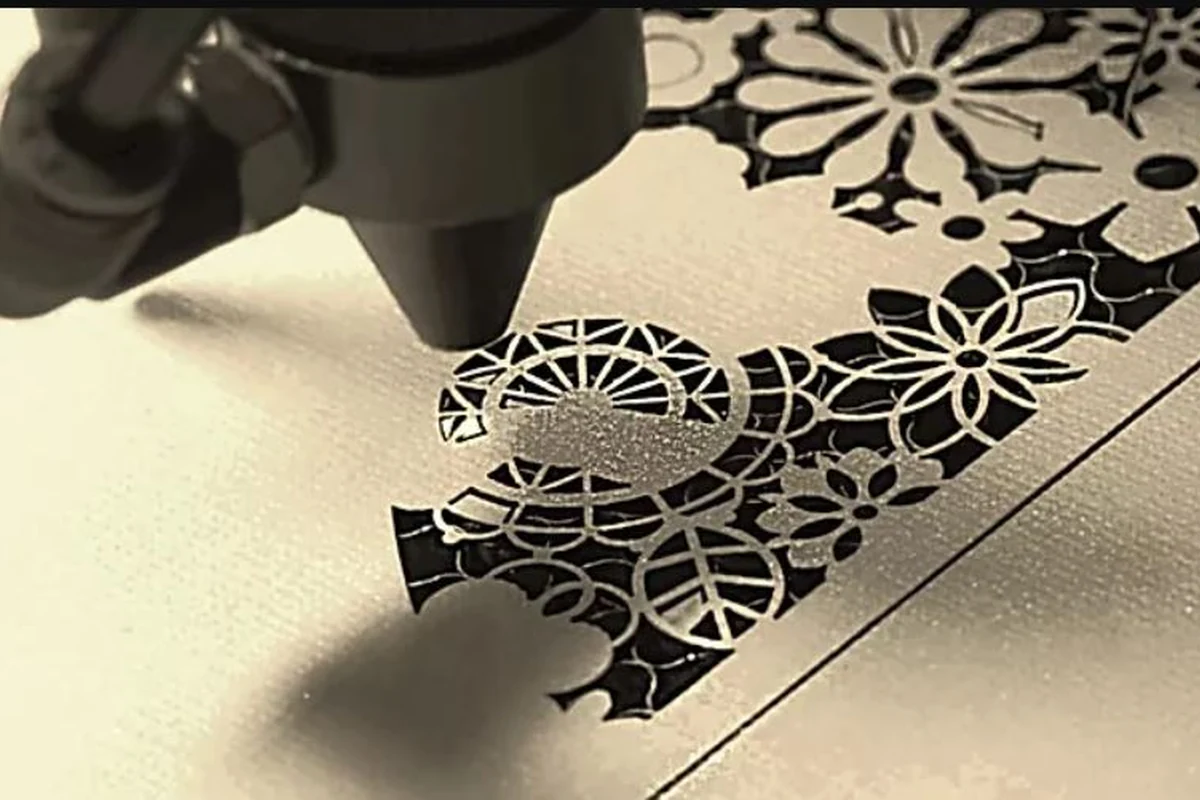
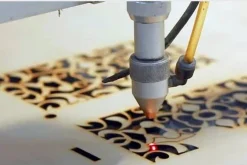
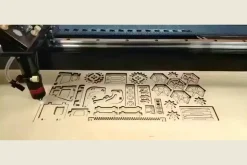
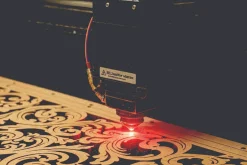
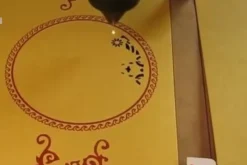
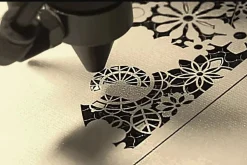
Laser cutting from design files: hollow patterns, small details, letters and curved outlines on acrylic, wood and paper. Cutting only, no printing — contact us for a quick quote.
Quote-on-request product
This item is quoted based on actual size, materials and quantity. Send a request and In Quảng Cáo Q7 will reply within 30 minutes during office hours.
When messaging, please include size · quantity · date needed and your design file if you have one.
Laser Cutting – Cutting Patterns and Small Details From Design Files
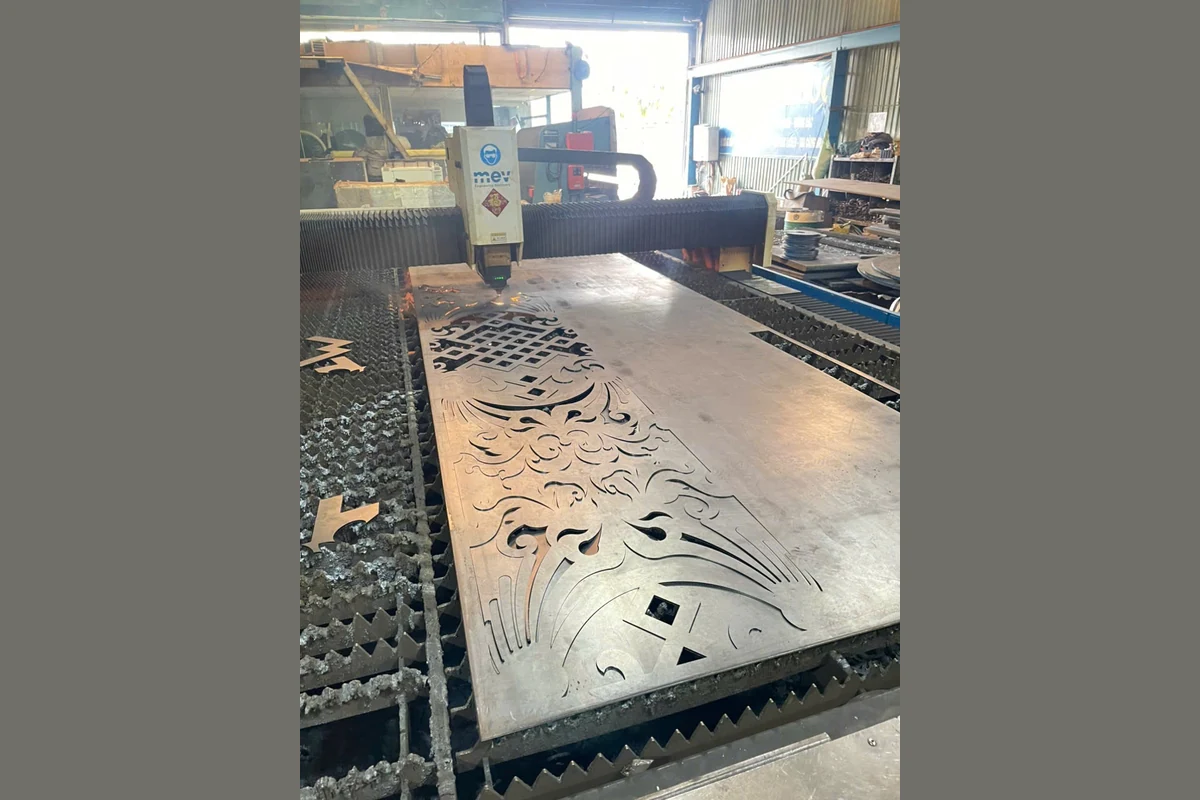
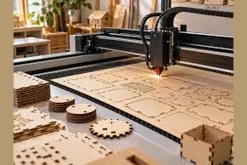
Laser cutting uses a beam to cut through sheet material along the exact lines in the file. Because the cut is very fine, lasers can produce details that blades and router bits can't reach: hollow patterns with many curves, small letters, continuous curved outlines. In Quảng Cáo Q7 provides laser cutting from customers' files — cutting only, printing not included. Workshop at 49 Mai Van Vinh, Tan Hung Ward, Ho Chi Minh City. Some images in this article are illustrations.
How laser cutting differs from CNC cutting
Both services do the same job of separating shapes from a sheet, but they separate them differently, so results differ:
- Laser cutting — a fine cut that reaches sharp corners and small strokes, with clean edges. Suited to hollow patterns, tiny details and small letters.
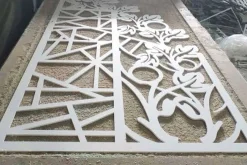
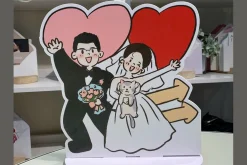
- CNC cutting — uses a router bit, suited to thick sheets and large pieces such as raised frontage letters. See CNC cutting.
If you're not sure which method suits your shape, just send the file via Zalo — we'll look at the strokes and tell you whether to use laser or CNC, with prices for each.
Materials we laser cut
Lasers cut many types of flat sheet: acrylic, wood and thin board, paper and card, and some thin metal sheets. Each material has its own thickness limit, and not every sheet can be laser cut — some release harmful fumes or burn at the edges when cut, so they must be switched to blade cutting.
So when sending a request, tell us the sheet type and thickness; we'll confirm whether it can be laser cut or should use another method before quoting.
Common uses
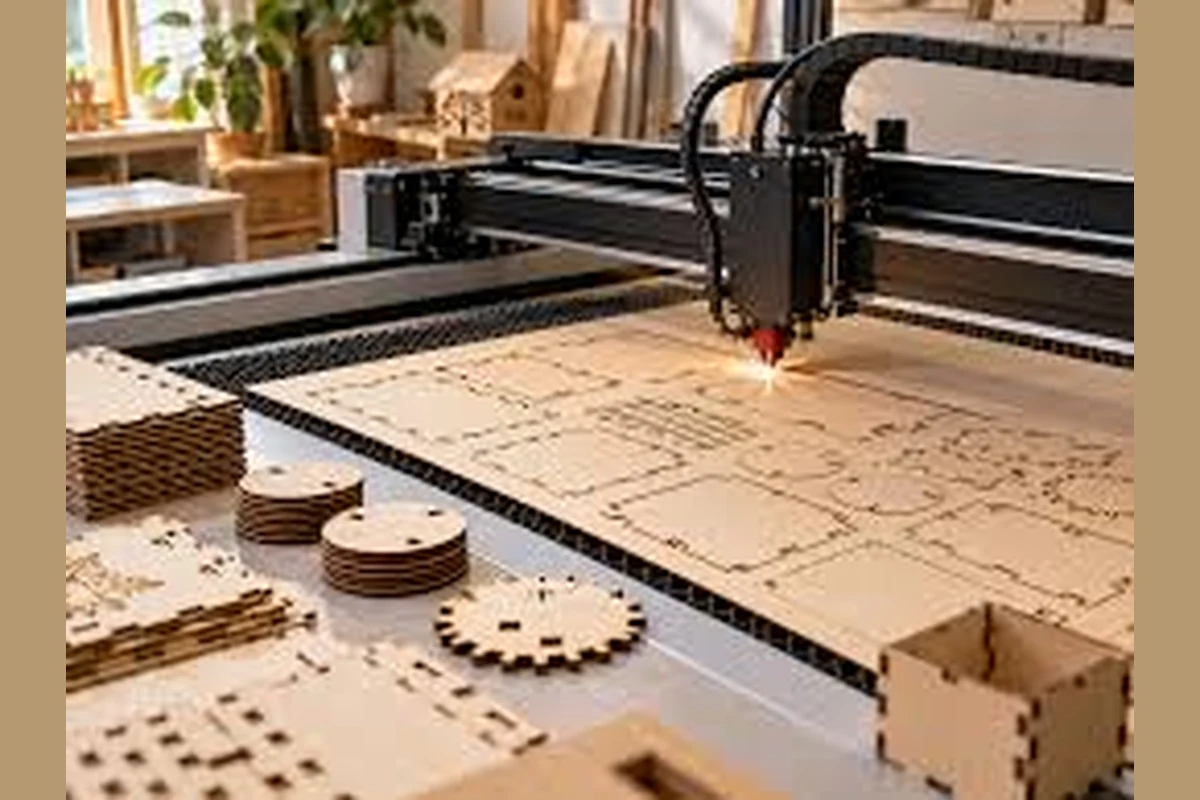
Most laser cutting orders fall into three groups: decorations and gifts, event pieces, and small parts assembled into models. What they share is shapes with many strokes and modest sizes — exactly where lasers excel.
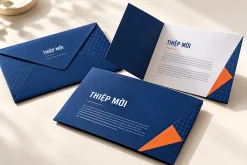
- Wedding cards, invitations and lucky money envelopes with hollow cut patterns.
- Keychains, name tags, badges, acrylic or wooden gifts.
- Small letters and logos mounted on boards, gift boxes and backdrops.
- Decorative partitions, patterned screens, multi-layer photo frames.
- Sample parts for test assembly before mass production.
If the cut shapes come with printing — for example color-printed cards that are then laser cut with patterns — we split it into two items for a clear quote. Pre-designed printed cards can be seen at Invitations.

CNC cutting

CNC cutting

Invitations

Advertising signs
Patterns and small details
For hollow patterns, what decides the finished piece isn't the complexity of the shape but the width of material left between two cut lines. Strokes too thin for the sheet thickness break as soon as they're removed from the sheet, especially with paper and thin wood.
We review the file first and tell you which strokes need thickening, rather than editing customers' drawings ourselves. If needed, we can cut a test sample before running the whole batch.
Design file requirements
- PDF or AI, with cut lines as closed vector paths.
- Convert text to outlines before sending.
- Set at actual size, not scaled afterwards.
- Separate the cut line layer from decorative artwork so the machine doesn't cut the wrong lines.
- No file yet? Add the design service right on this page.
Open paths, overlapping strokes or leftover stray strokes in the file all make the machine cut incorrectly. We'll let you know before running rather than cutting blindly.
How we quote laser cutting
Laser cutting isn't priced at one fixed figure for every shape, since machine time depends on total cut path length. On the same sheet size, a plain square and a dense pattern differ enormously. What we look at when quoting:
- Material type and sheet thickness.
- Total cut path length and density of detail.
- The outer bounding box size of the shape.
- Number of pieces in an order — cutting many at once is cheaper per piece.
- Whether material is supplied by the customer or taken from the workshop.
The quickest way to get a figure: send the design file with the material type and thickness via Zalo or call 0866.511.099, and we'll quote within 30 minutes during office hours.
Delivery areas
Our workshop is in Tan Hung Ward, so it's most convenient for customers in former District 7 — now Tan Hung, Tan My, Tan Thuan and Phu Thuan wards — and nearby areas such as Nha Be, District 4 and District 8. Other areas of Ho Chi Minh City are still served, delivered by distance. Customers bringing material to cut can visit our workshop at 49 Mai Van Vinh, Tan Hung Ward, Ho Chi Minh City.
When to choose laser cutting
Laser cutting suits jobs that blades can't handle. The table below helps you know when to choose laser cutting over CNC cutting.
| Requirement | Recommended | Reason |
|---|---|---|
| Hollow patterns with many curves | Laser cutting | The fine cut slips into narrow gaps |
| Letters under a few centimeters | Laser cutting | Router bits have a minimum width, so small letters lose their strokes |
| Continuous curved outlines | Laser cutting | The beam doesn't vibrate like a spinning bit, so curves are smooth |
| Large loose letters | CNC cutting | Thick sheets, medium details, faster to run |
| Alu or thick sheets | CNC cutting | Lasers don't suit some thick materials |
| Acrylic edges that need to be glossy | Laser cutting | Heat melts acrylic edges into a naturally polished finish |
A unique feature of laser cutting on acrylic is that finished edges look polished, with no extra sanding needed. That's why nameplates, acrylic logos and decorative pieces often choose laser even though it costs more.
Each material gives a different cut edge
Each material reacts to the laser differently, so finished pieces look clearly different:
- Mica (Acrylic) — clear, glossy cut edges. The most chosen material for laser-cut nameplates and logos.
- Wood — edges slightly darkened by heat, which many people like for a warm, handmade look. For light edges, sand them lightly.
- Paper and card — very small patterns can be cut that blades can't manage, often used for invitations and paper models.
- Fabric and felt — edges don't fray because heat seals the fibers.
If you bring your own material, bring a spare sheet for a test run, since each batch of material differs slightly in thickness and composition. A test run helps set the right power, avoiding scorched edges or incomplete cuts.
There are some materials we don't laser cut because they release toxic fumes or damage the machine, typically PVC plastic. If you're not sure which category your material falls into, send a photo and the material name, and we'll confirm before you bring it in.
Commonly ordered laser cutting items
Commonly ordered laser-cut items at the workshop, with notes for each:
- Acrylic nameplates — room nameplates, desk nameplates, title plates. Small size, large quantities, usually cut in bulk on one sheet.
- Wall-mounted acrylic logos — cut along the logo's strokes and mounted raised, optionally with backlighting.
- Decorative hollow patterns — partitions, screens, event decorative frames. This group is laser cutting's clearest strength.
- Laser-cut pattern invitations — laser cut on fine art paper, creating intricate hollow areas that die-cutting can't achieve.
- Event decoration lettering — program names, greetings, anniversary years.
- Paper models — separate pieces cut from drawings and then assembled.
For nameplates and logos, send a vector file with the desired size. If you only have a photo of an old sample, we can redraw it but need shape approval before running, since redrawing from photos always introduces small deviations.
Why laser cutting is priced by complexity
Laser cutting is priced by cut path complexity rather than sheet area, since machine time depends on total path length. As a result:
- Hollow patterns cost more than solid shapes — the same size can differ several times in total cut path.
- Letters with many strokes cost more than simple ones — serif letters with many curves have longer paths than block letters.
- Thick materials run slower — speed must be reduced so the beam cuts all the way through.
- Grouping many items in one run is cheaper — each machine run needs its own calibration.
- Nesting pieces closely reduces sheet waste — making the most of the sheet is the simplest way to save.
Laser cutting starts from 275.000đ per square meter using the workshop's material. For orders with complex patterns, send your file so we calculate the exact path length and give you the real figure rather than estimating by size.
We also take small laser cutting orders, even just a few pieces. Small orders cost more per piece since they still need one machine setup, but there's no mandatory minimum.
Preparing files for laser cutting
Laser cutting files are built like CNC cutting files: the machine follows vector paths. Points to check before sending:
- Closed cut paths — with open paths, the machine can't tell which part to discard and which to keep.
- No overlapping paths — two overlapping strokes make the beam run twice in one spot, scorching the edge.
- Text converted to outlines — avoiding font substitution when opened on another computer.
- Loose inner pieces with bridges — the counters of letters like O, A and D will fall out unless bridges are left.
- Strokes not too thin for the material — narrow strokes on thick sheets break as soon as they're removed.
- Vector files, not images — JPG images must be redrawn as paths before they can run.
Spacing between pieces also matters: the beam generates heat, so two cut lines too close together make the part in between warp or darken, especially on acrylic and thin wood.
Receiving and caring for the pieces
A few things to know after receiving laser-cut goods:
- Acrylic edges have a slight smell — from the heat; it clears after a few hours in open air.
- Protective film — acrylic and some sheets have film on both sides; peel it after installation to keep the surface scratch-free.
- Darkened wood edges — a characteristic of laser cutting, not a defect. For light edges, sand with fine sandpaper.
- Small pieces get mixed up easily — we bag and label them separately; check the count before signing for delivery.
- Check the thinnest strokes first — that's where errors are most likely; if any stroke isn't fully cut through, let us know the same day.
If your item needs mounting on a wall or standing upright, tell us how it will be mounted when sending the file. We'll drill hanging holes, leave stands or apply double-sided tape in the same run, faster and sturdier than handling it yourself later.
How a laser cutting order works
The steps of a laser cutting order at the workshop:
- Receive the file and check paths — opening the file to check whether paths are closed, strokes overlap and text is outlined.
- Arranging pieces on the sheet — filling the sheet as much as possible while keeping enough spacing that heat doesn't affect neighboring pieces.
- Running a test line — calibrating power and speed for the specific batch of material, especially with customer-supplied material.
- Cutting everything — the machine runs exactly along the file's paths.
- Removing pieces and cleaning — removing the waste and wiping the edges if there's burnt residue.
- Checking and packing — counting, bagging small pieces separately and sandwiching large pieces in cardboard.
The test run is a step we never skip, even with familiar materials. A test line takes a few minutes but avoids scorching a whole sheet or incomplete cuts needing a second pass, which rarely lines up exactly with the first.
Frequently asked questions
Does laser cutting include printing? No. This page covers cutting only. If you need printing and cutting, we split it into two items with separate quotes.
Can I bring my own material to cut? Yes. Tell us the sheet type and thickness in advance so we can confirm it can be laser cut, then arrange a time to bring it in.
Do cut edges darken? It depends on the material. Wood and paper usually darken slightly at the edges due to heat, while acrylic edges are clear and glossier. If edge color matters for your product, tell us in advance so we cut a test sample.
How small can letters be cut? It depends on sheet thickness and font. Letters with strokes too thin for the thickness break easily when removed; we review the file and tell you where adjustments are needed.
Do you accept orders for a few single pieces? Yes. Small orders are welcome; the cost per piece is just higher than cutting many on one sheet.
How long does it take? It depends on total cut path length and quantity; we confirm a specific date when sending the quote.
How to order laser cutting
- Message Zalo or call 0866.511.099, sending the design file with the material type and thickness.
- Receive a quote and delivery date; cut a test sample if needed.
- Approve the cut file, pay the deposit and wait for the production slot.
Some images on this page are illustrations.
| Made at | In Quảng Cáo Q7 workshop – 49 Mai Van Vinh, Tan Hung Ward, Ho Chi Minh City |
|---|---|
| Origin | Vietnam |
| Status | Made to order |
| Warranty | 24 hours from receipt: if you find a printing error or a difference from the approved file, let us know and we will reprint free of charge. |
Quote-on-request product. Prices quoted exclude 8% VAT; the invoice adds the tax as required by law.
Ordering
Three ways to order: choose the specifications and quantity on the website and click Place order; message us on Zalo or call 0866.511.099; or visit the workshop to see material samples at 49 Mai Van Vinh, Tan Hung Ward, Ho Chi Minh City. During working hours, In Quảng Cáo Q7 replies within about 30 minutes. Most products have listed prices by size, material and quantity – prices exclude 8% VAT.
→ Online ordering guide · Quick quote
Sending design files
PDF or AI preferred, CMYK color mode, 300dpi for small formats, 3mm bleed. Send via Zalo, email inquangcaoq7@gmail.com, the form on our website, or a Google Drive link for large files. We check your file for free before printing; if you have no file yet, In Quảng Cáo Q7 can help with the design.
→ Design file submission guide
Payment
Bank transfer, QR code or cash at the workshop. Orders are confirmed and scheduled for production after payment; after transferring, send a photo of the receipt with your phone number via Zalo. Transfer note: Your name – Phone number – Product.
→ Payment guide
Timing & delivery
Completion time is shown on each product, counted from receipt of a print-ready file and payment confirmation. Pick up at the workshop Monday – Saturday, 8:00–12:00 and 13:00–18:00; urgent orders within Ho Chi Minh City delivered within 2 hours; other provinces via bus courier or express delivery. On receipt, please check quantity, size, material and condition of the products.
Order tracking
Enter the phone number used when ordering to see your orders from the last 90 days and their status: Unpaid → Printing → Printed → Delivering → Invoiced → Completed. For orders placed via Zalo, send your name and phone number to get progress updates.
→ Order tracking
E-invoice (VAT)
In Quảng Cáo Q7 issues 8% VAT e-invoices. Provide the company name, tax code, address and email within 24 hours of ordering; the invoice is issued within 24 working hours and sent by email, and cannot be changed once issued.
→ E-invoice (VAT) details
Misprints – reprints
Products that differ from the order or the approved proof are reprinted free of charge – report within 24 hours with photos. Spelling mistakes in a file you approved are not covered by free reprints.
→ Frequently asked questions (FAQs)
Be the first to review “laser cutting”
Related products
CNC cutting
CNC cutting
Reviews
There are no reviews yet.