





































































Our commitments
Printed directly in our workshop, no middlemen
Digital and offset presses right in our workshop. You deal directly with the people who make your order, so every request is understood and handled immediately.
Fast production, many orders ready the same day
Business cards, documents, decals, standees… printed and delivered the same day. See production times for each product group.
One point of contact, all-in-one from file to finished product
Quotes, orders, Zalo messages, delivery booking and invoicing run automatically on one system. Design – printing – finishing – installation all happen in-house, so you don't have to go anywhere else.
Full VAT invoices, issued fast
E-invoices issued right after delivery, with urgent support for businesses that need documents early for payment.
Banners & Street Banners
From 42.000 ₫ / m²Price incl. 8% VAT: from 45.360 ₫ / m²
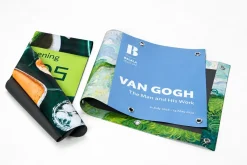
Advertising banners printed on 3.2 white banner material with solvent ink, available in 14 common sizes. Optional hemmed edges and eyelets for immediate hanging; vertical flag banners also available.
Large-Format Advertising Banner Printing in Ho Chi Minh City
A banner is a long printed sheet of banner material hung on a shopfront, fence or at an event to announce something specific: a grand opening, a promotion, recruitment, a show schedule. Unlike signboards fixed for years, banners are made to be used for a few weeks to a few months and then replaced – so what matters most is fast production, ready to hang immediately and readable from afar.
At In Quảng Cáo Q7, banners are printed on 300g 3.2Z white banner material with solvent ink, available in 14 common sizes, priced per square meter and decreasing as the size grows. The section below explains the finishing options and hanging methods, with real photos.
Where are banners used?
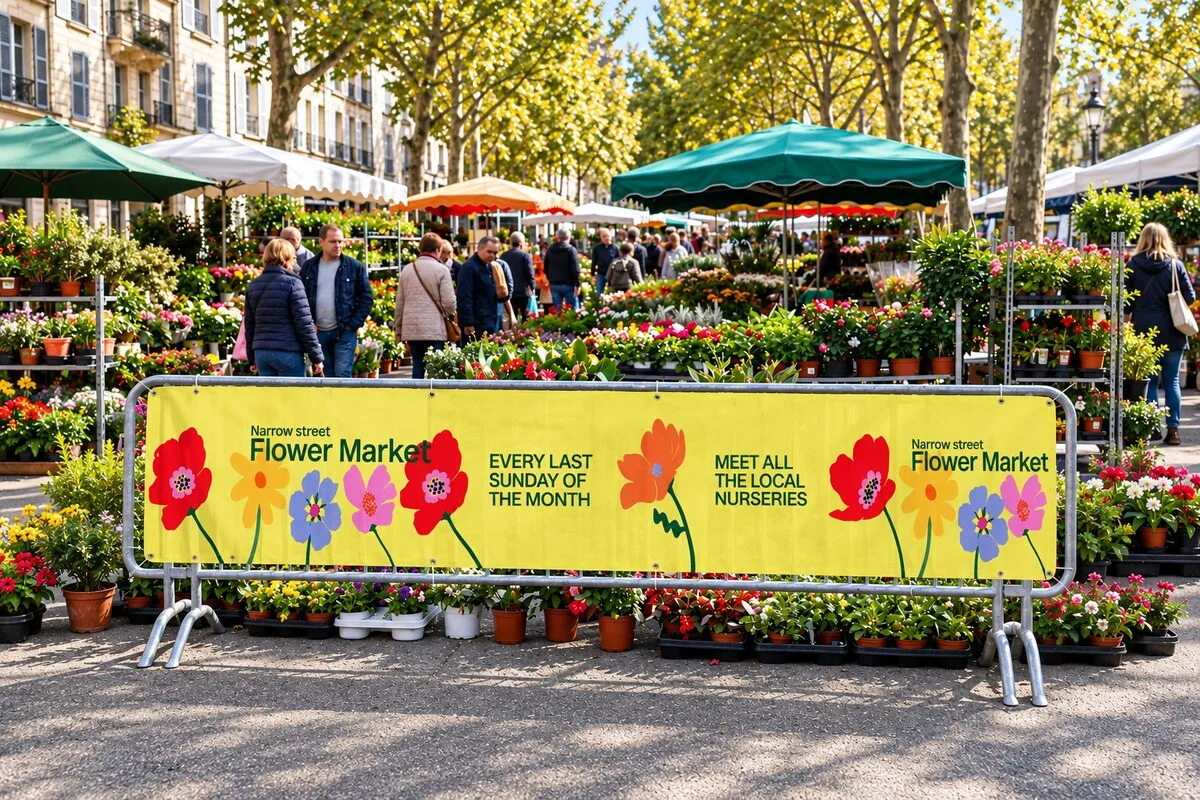
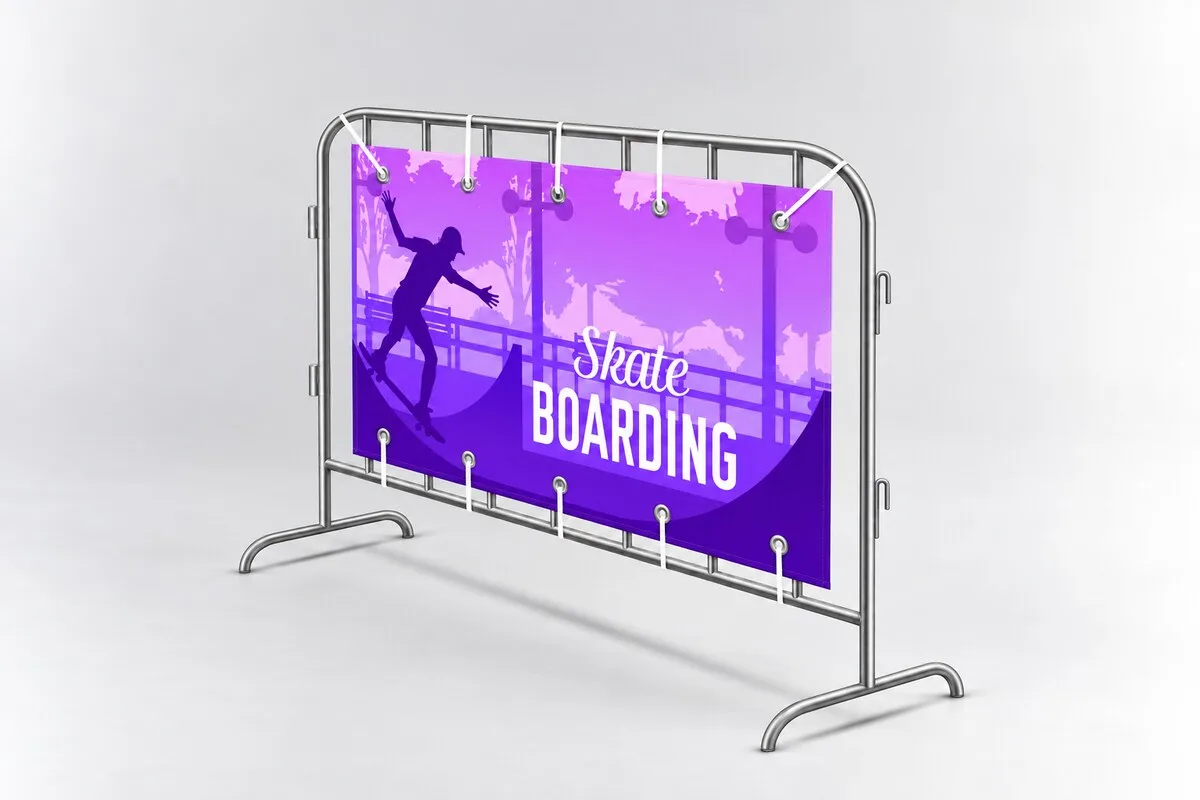
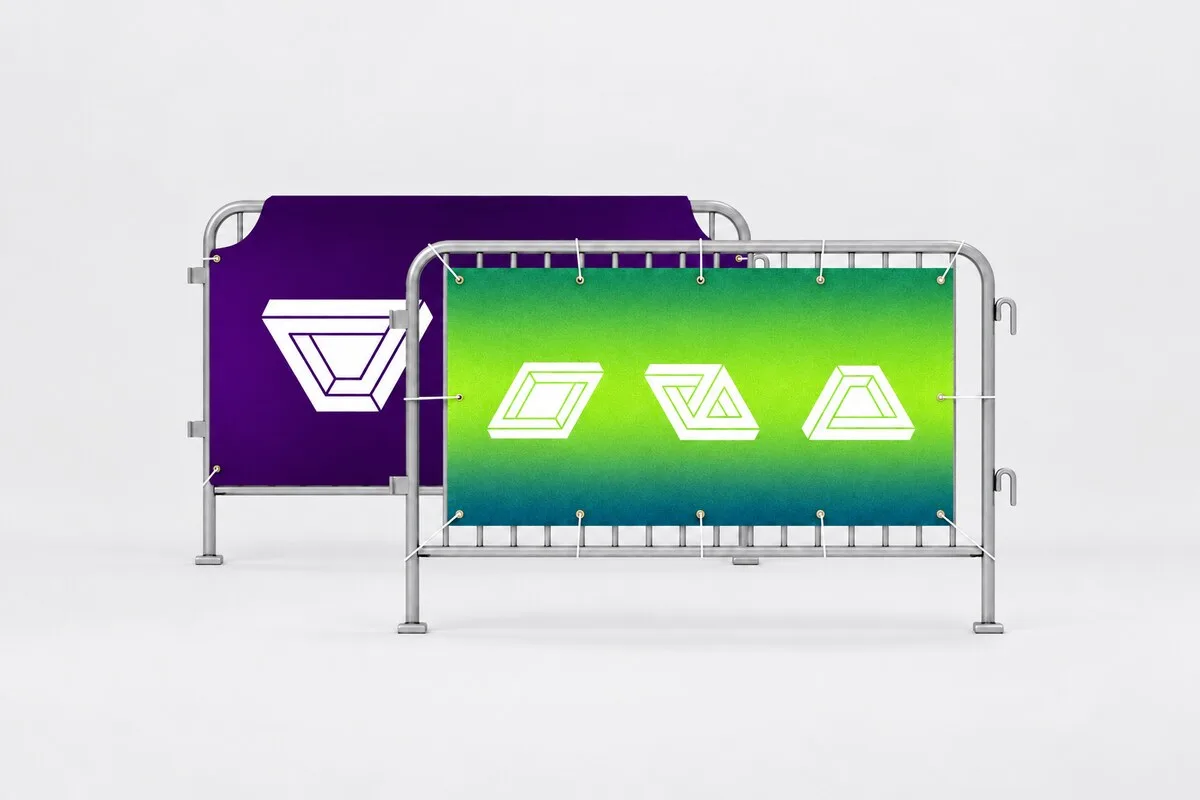
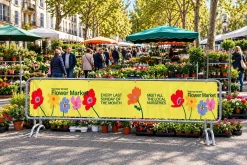
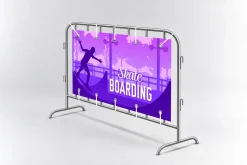
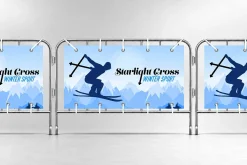
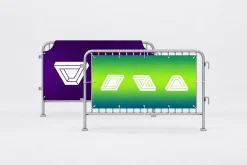
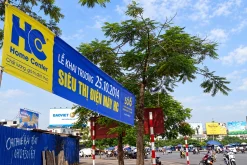
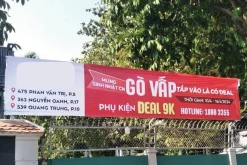
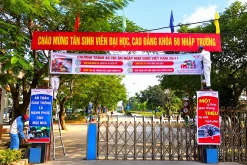
The three most common hanging locations are shopfronts, fences or barrier frames, and inside event spaces. Each location calls for a different finish, so when ordering, tell us where you plan to hang it before finalizing the specifications.
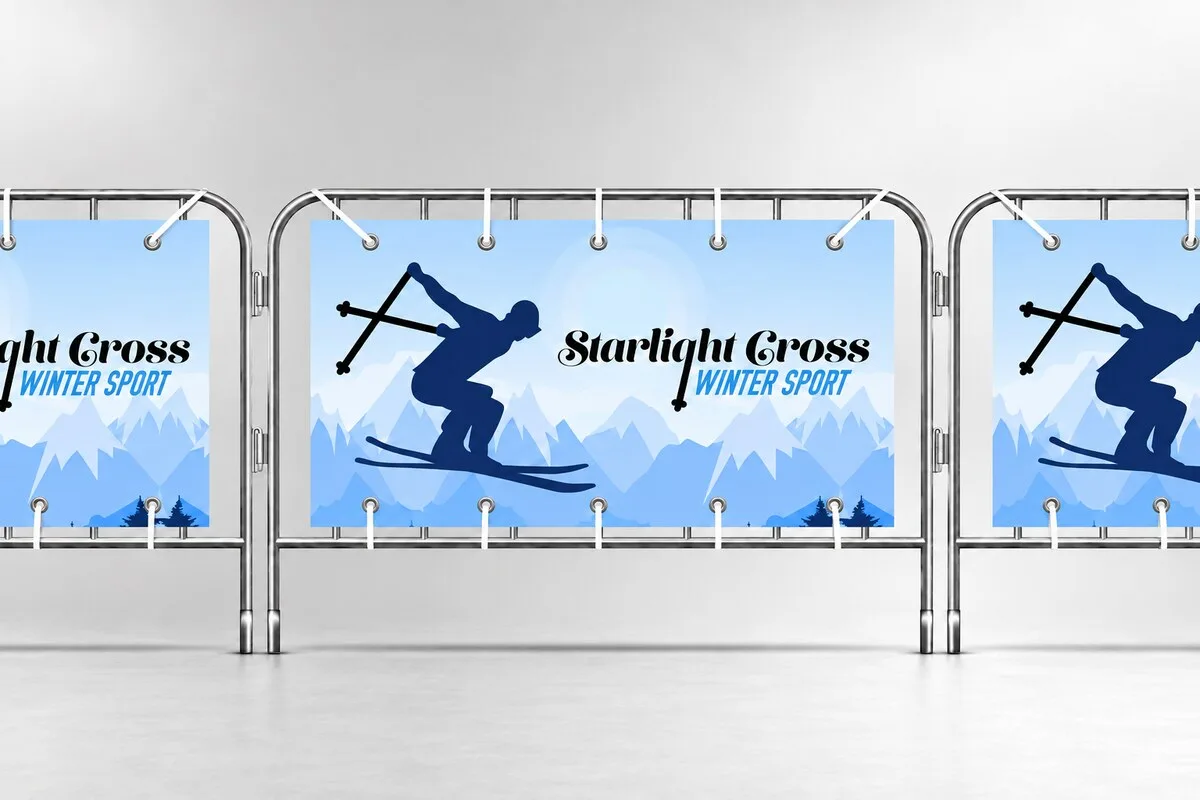
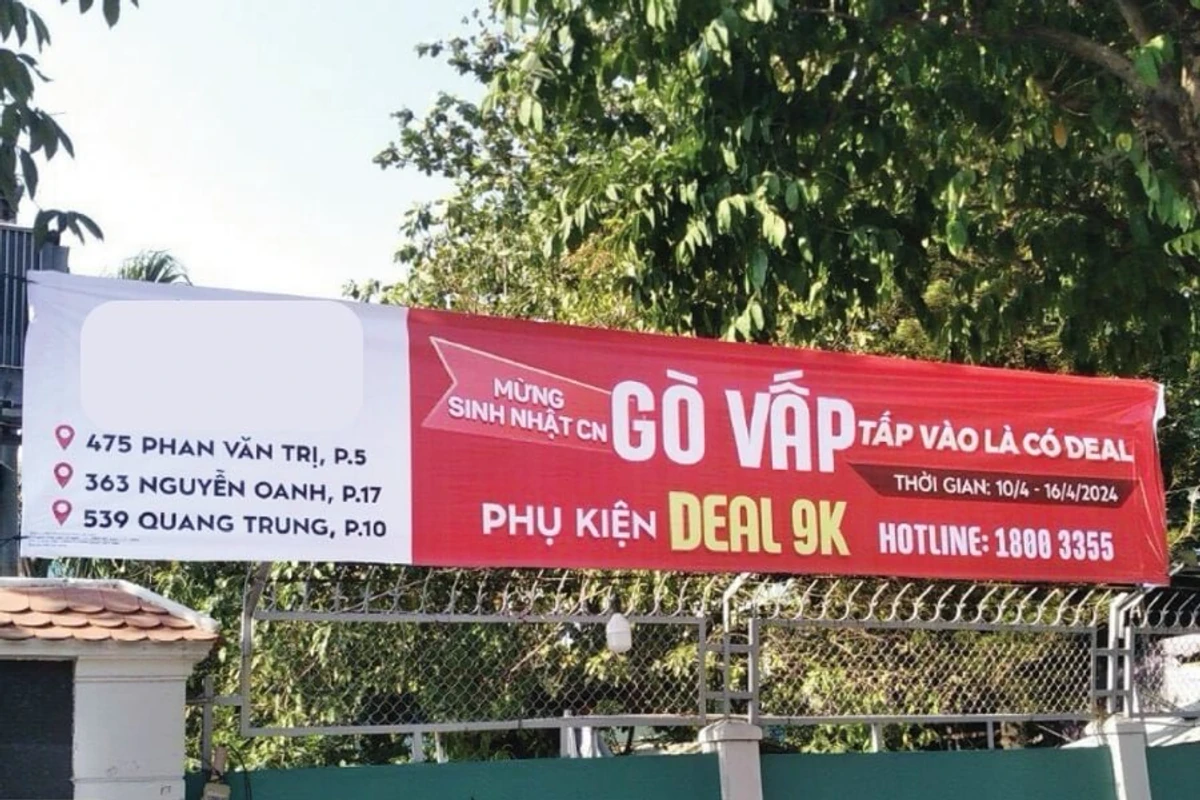
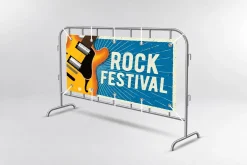
Banners hung along fences are usually long and low, with few words in large type so pedestrians can read them at a glance. Banners inside events are closer to viewers and can carry more information and more detailed images.
Which banner size should I choose?
We have 14 common sizes ready – sizes cut from 3.2m-wide banner rolls with minimal waste, so they're cheaper than custom sizes. How to choose: measure the actual space where it will hang (the length between two posts, the height of the fence frame), subtract about 5–10cm on each side for tying, then choose the nearest size.
Prices are per square meter and decrease with area: under 0.5m² is 70.000đ/m²; 0.5–1m² is 64.000đ/m²; 1–2m² is 52.000đ/m²; over 2m² drops to 42.000đ/m² (excluding 8% VAT). So one 2m² banner is usually cheaper than two 1m² banners combined – if the content allows combining, combine.
Ways to hang banners
The hanging method decides the edge finishing, and should be settled before printing, not after receiving the goods.
Eyelets and cable ties
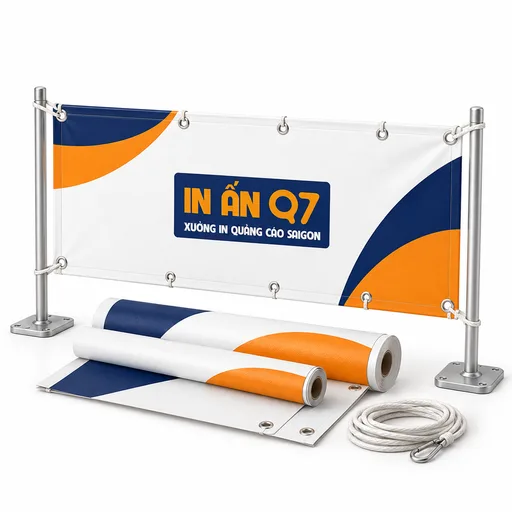
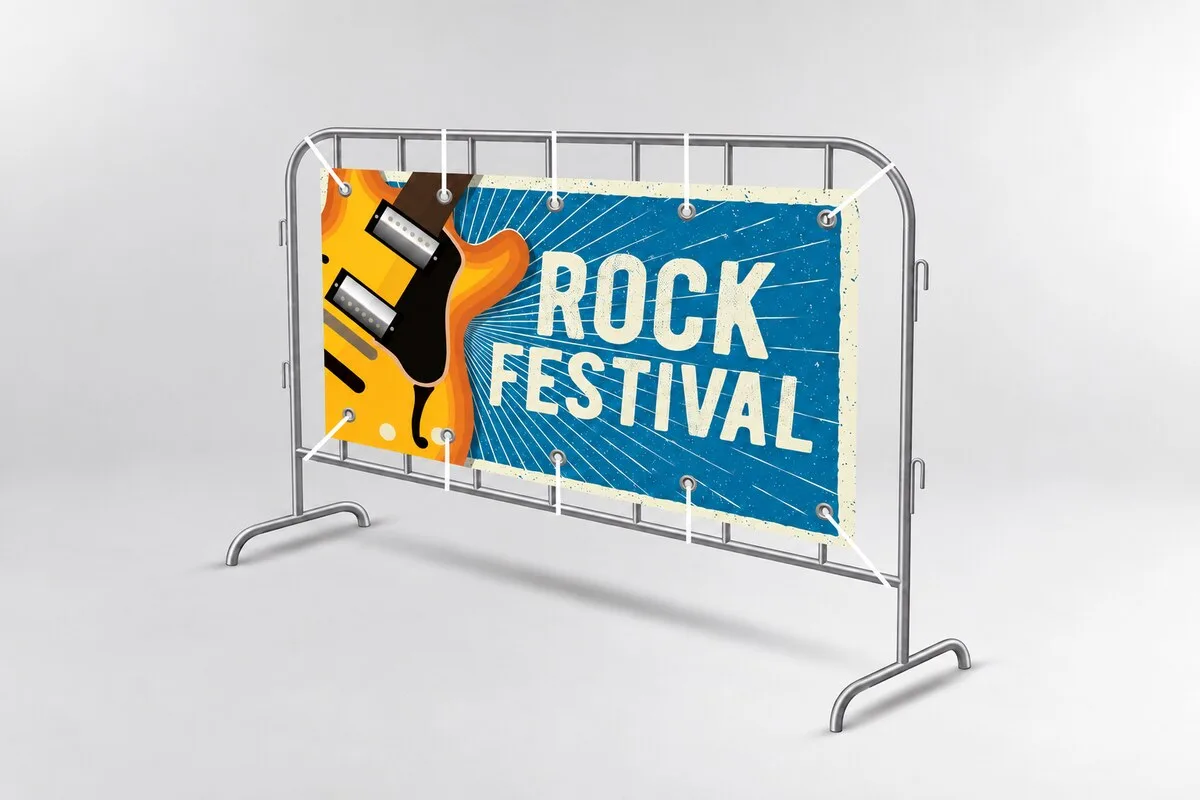
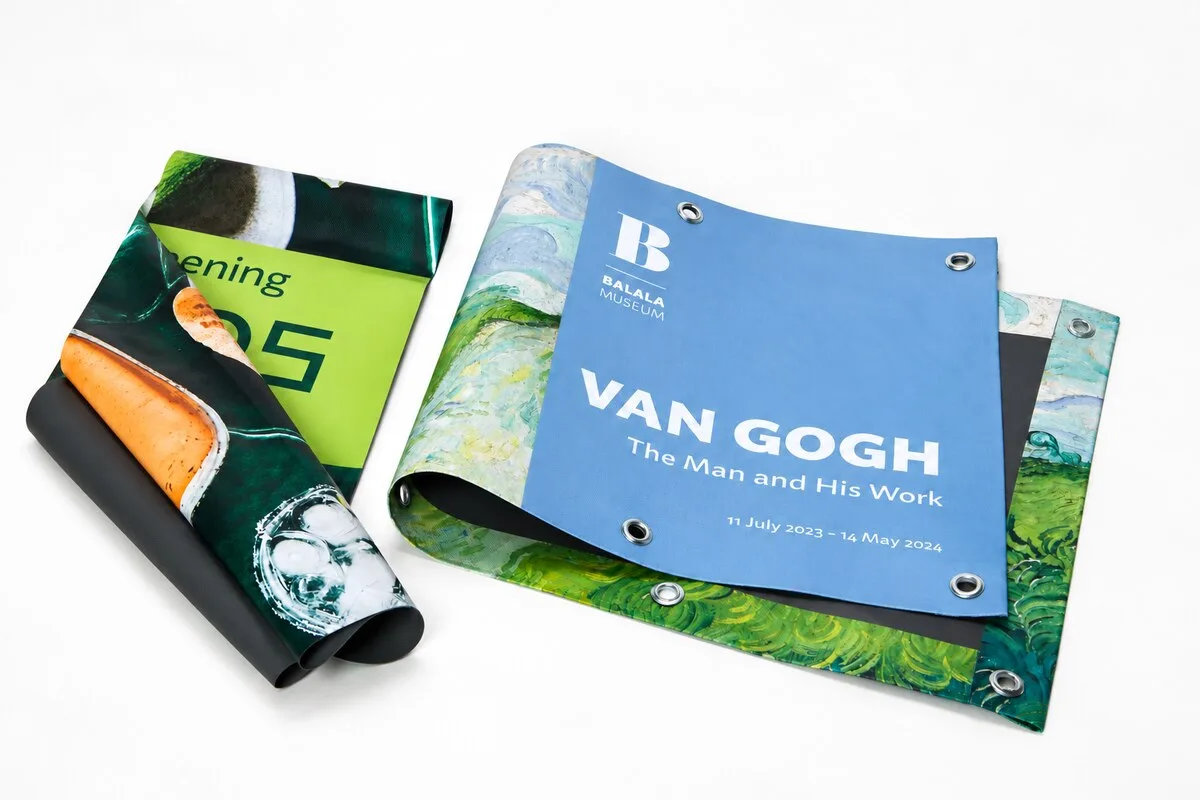
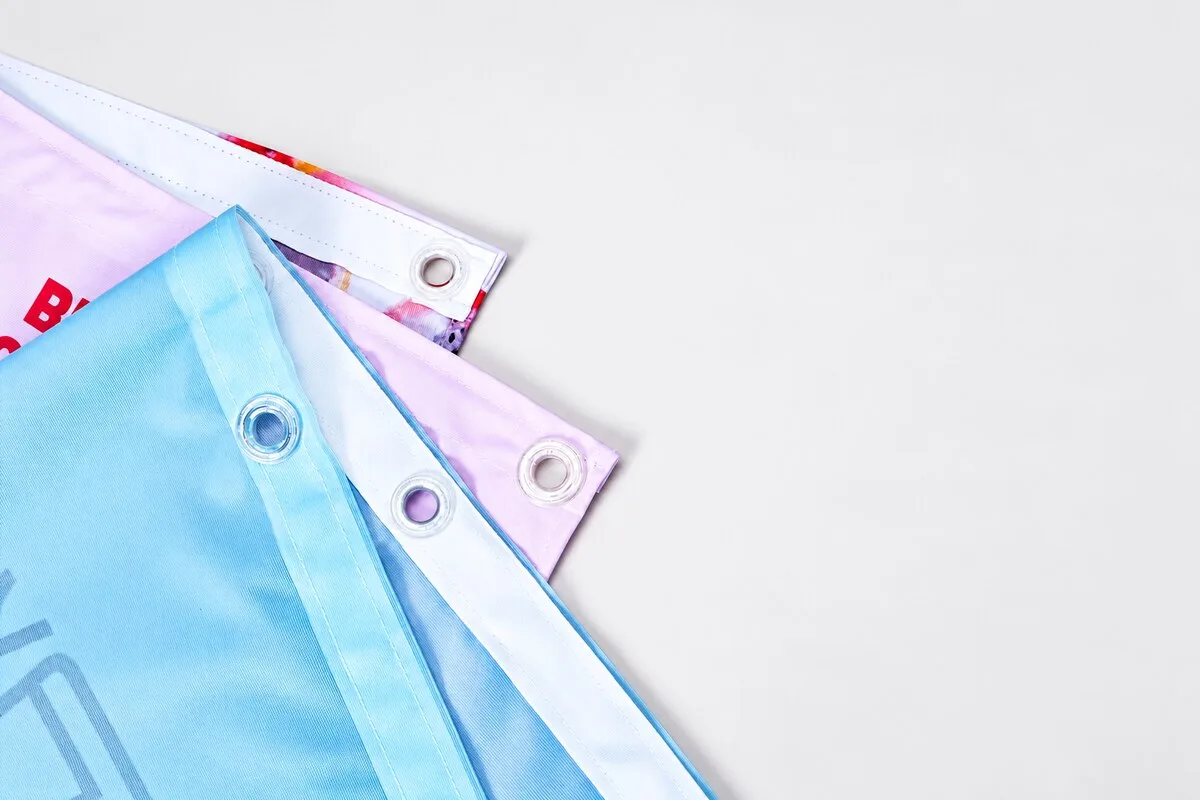
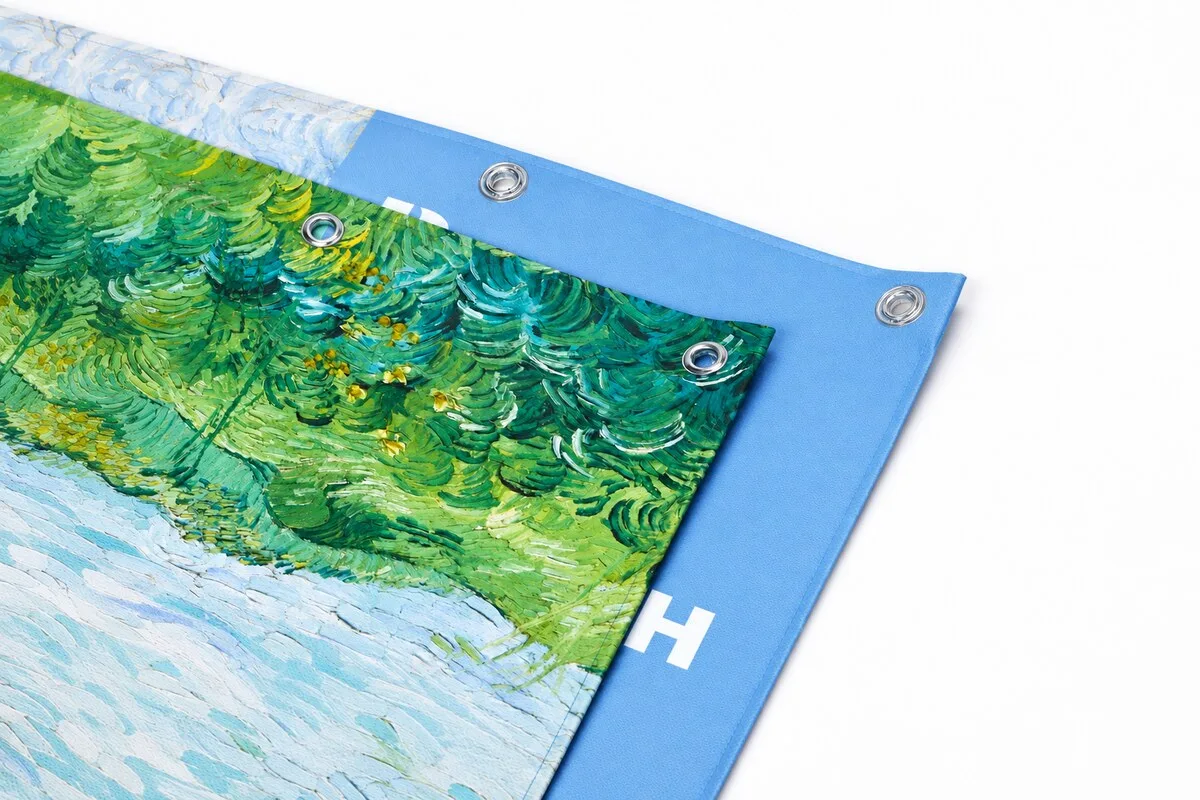
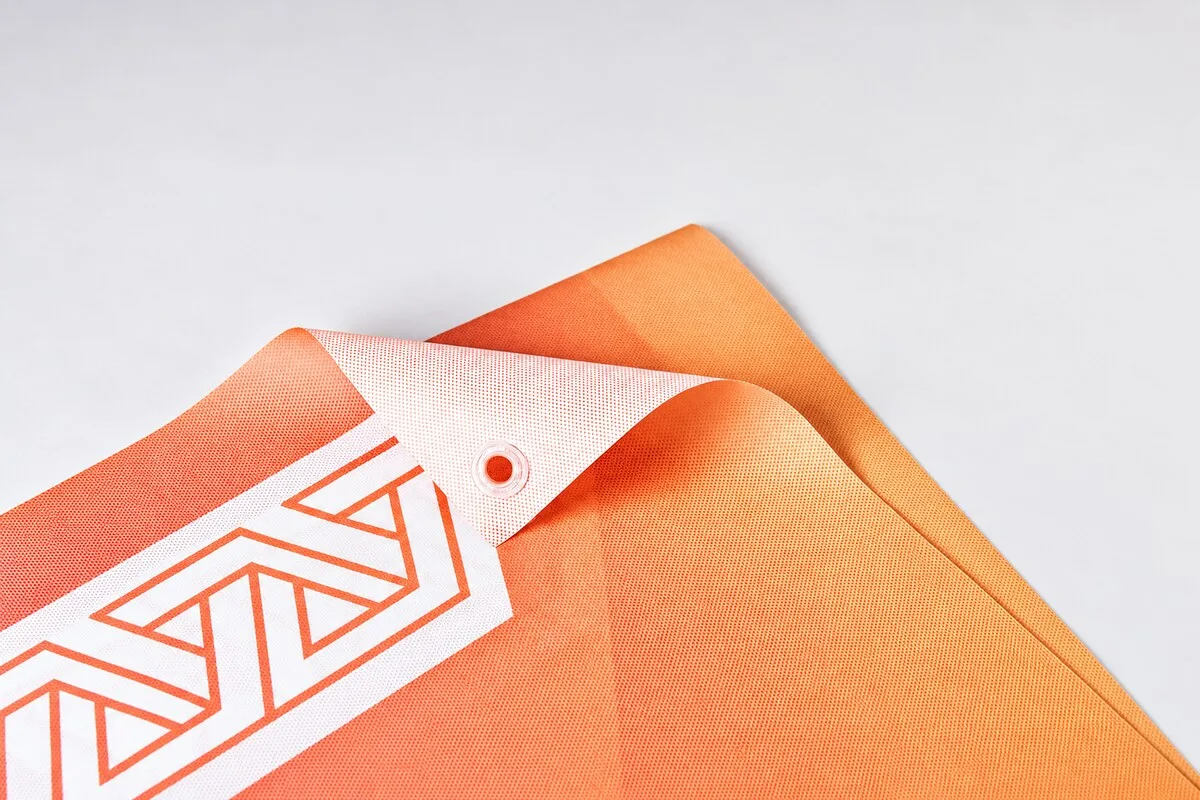
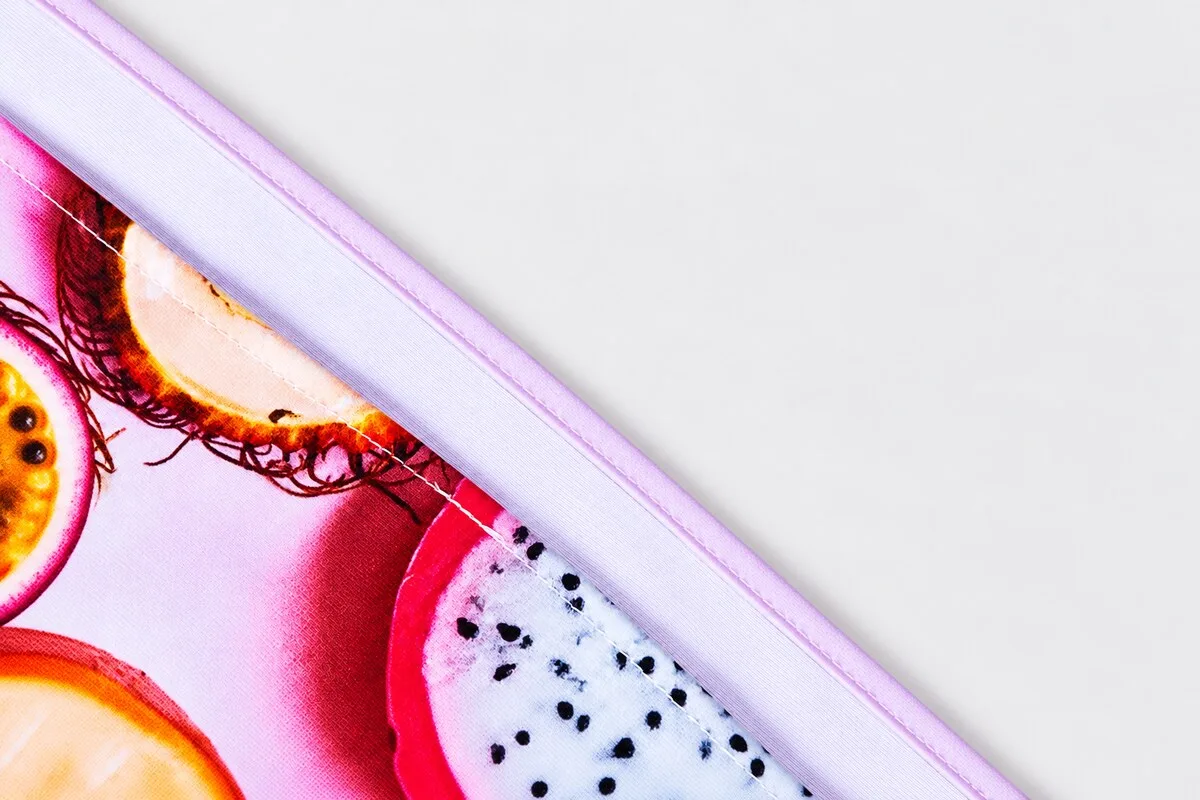
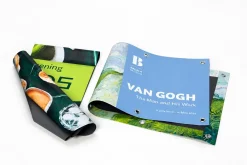
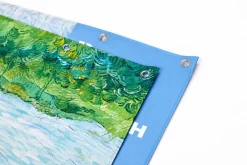
This is the most common method. The banner edges are hemmed (folded and heat-welded), then metal eyelets are punched about 50cm apart, and plastic cable ties or paracord are threaded through to tie it to fences, railings or posts. The advantages are quick installation, one-person setup, and easy removal to hang elsewhere.
For outdoor banners in windy spots, punch eyelets closer together (about one every 30–40cm) so wind load is spread evenly, rather than concentrated on a few points that tear the edge.
Sewn pole pockets
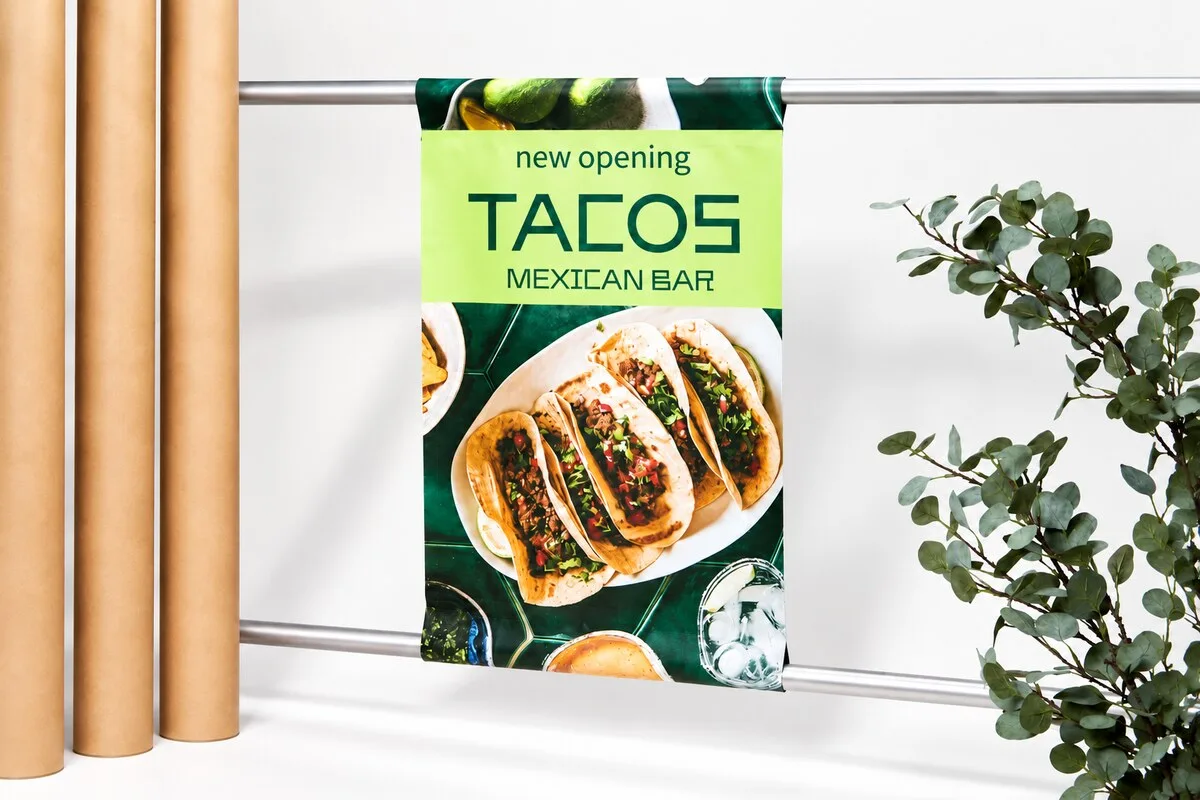
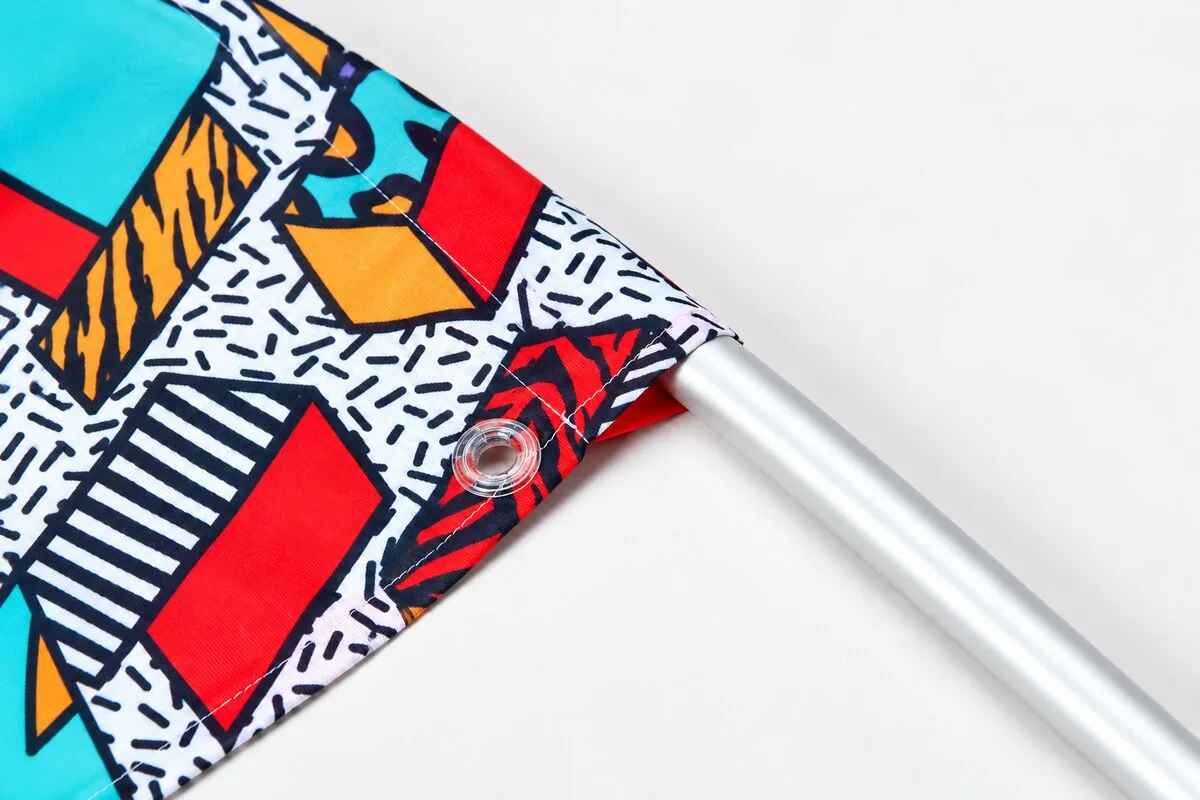
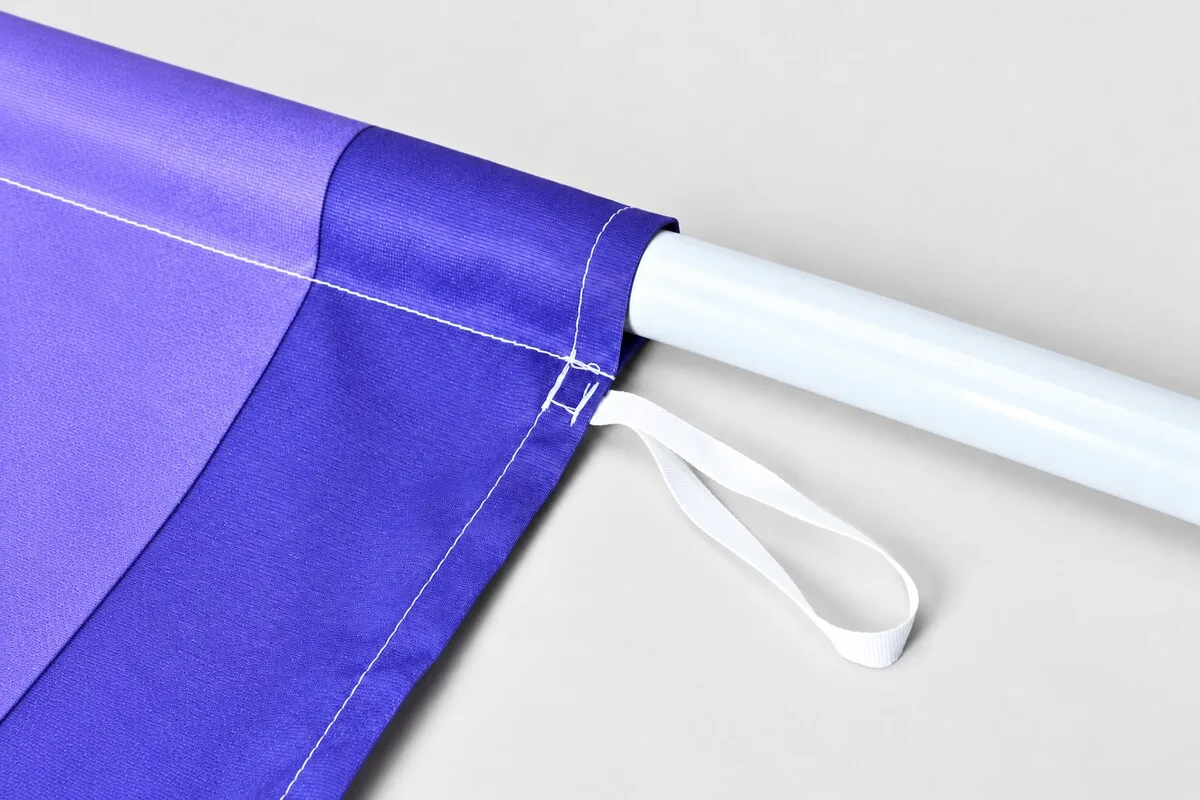
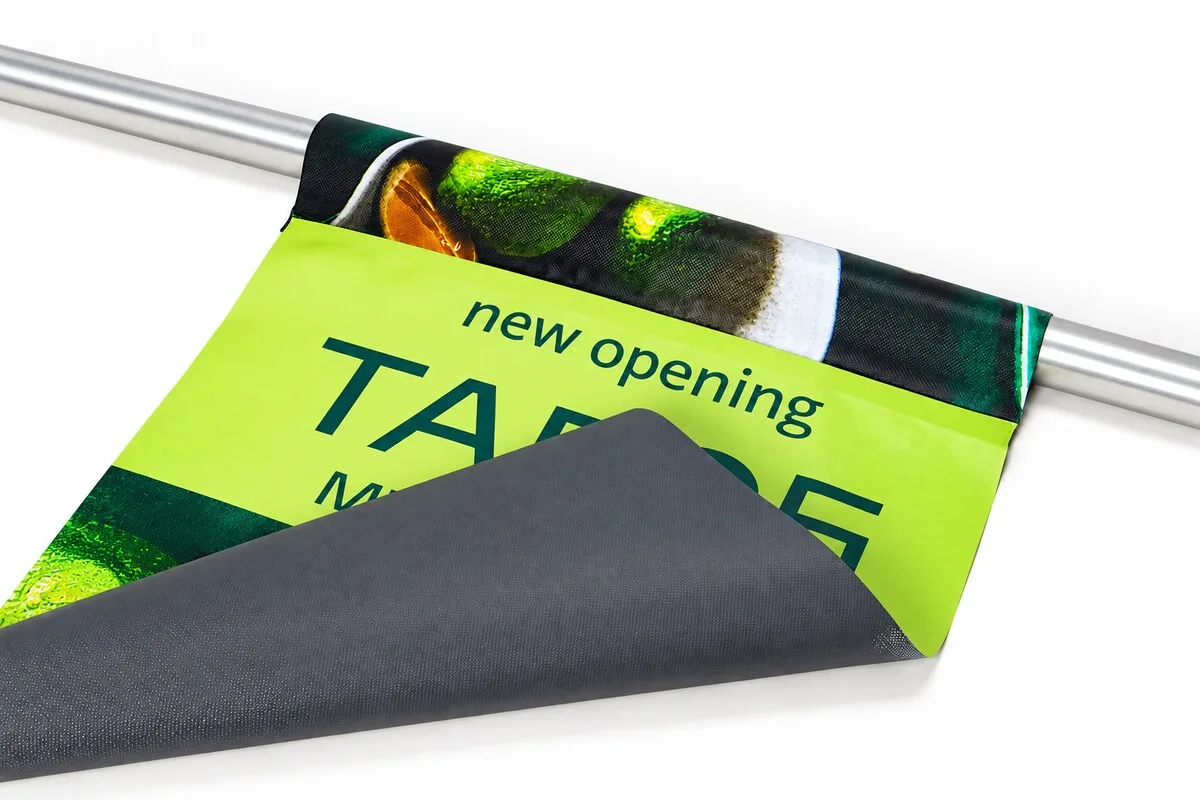
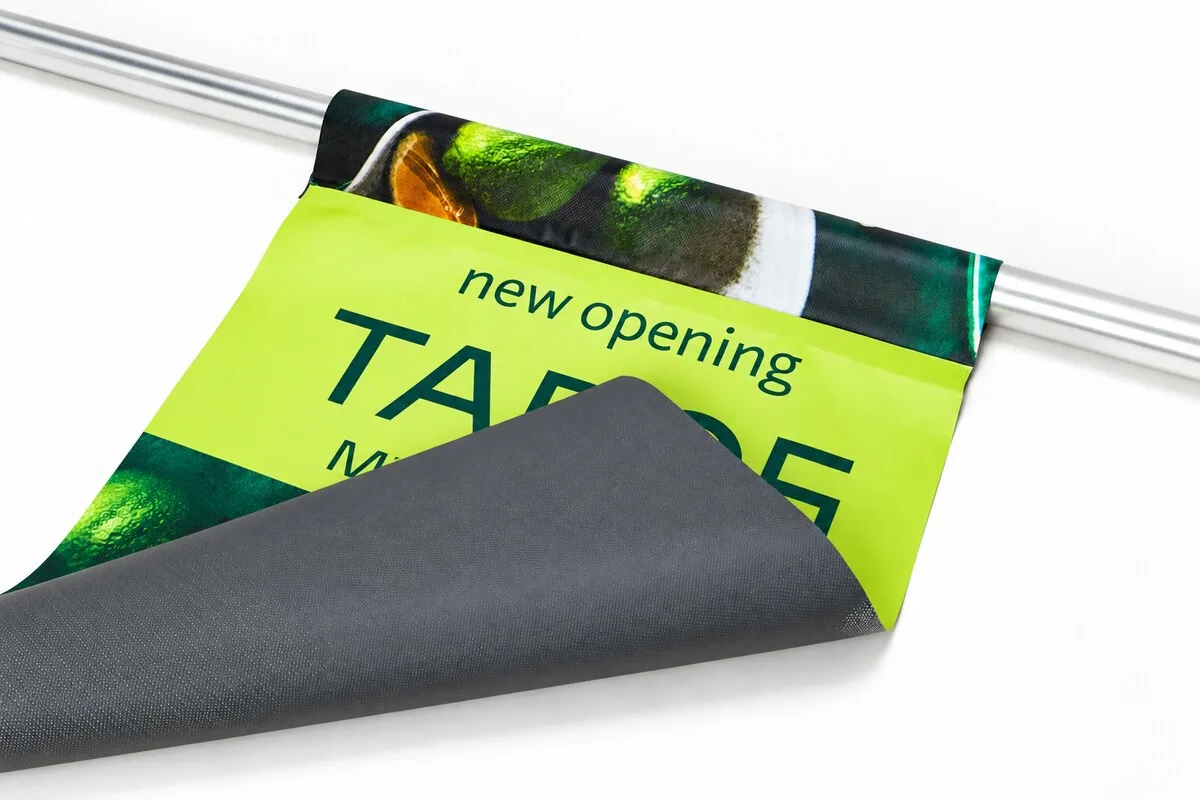
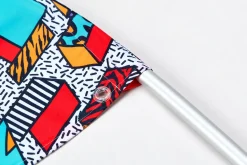
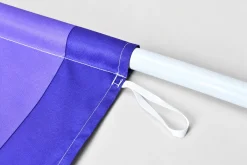
The top and bottom edges are folded and sewn into hollow pockets for aluminium rods or water pipes to slide through. This keeps the banner taut and flat, without wrinkles or curling in the wind – looking much neater than tying with cord. In return, you need hanging poles and installation takes longer.
When ordering this type, remember to tell us the diameter of the pole so we sew the pocket wide enough. Too tight and the pole won't go through; too loose and the banner twists and sags.
Hooks and straps
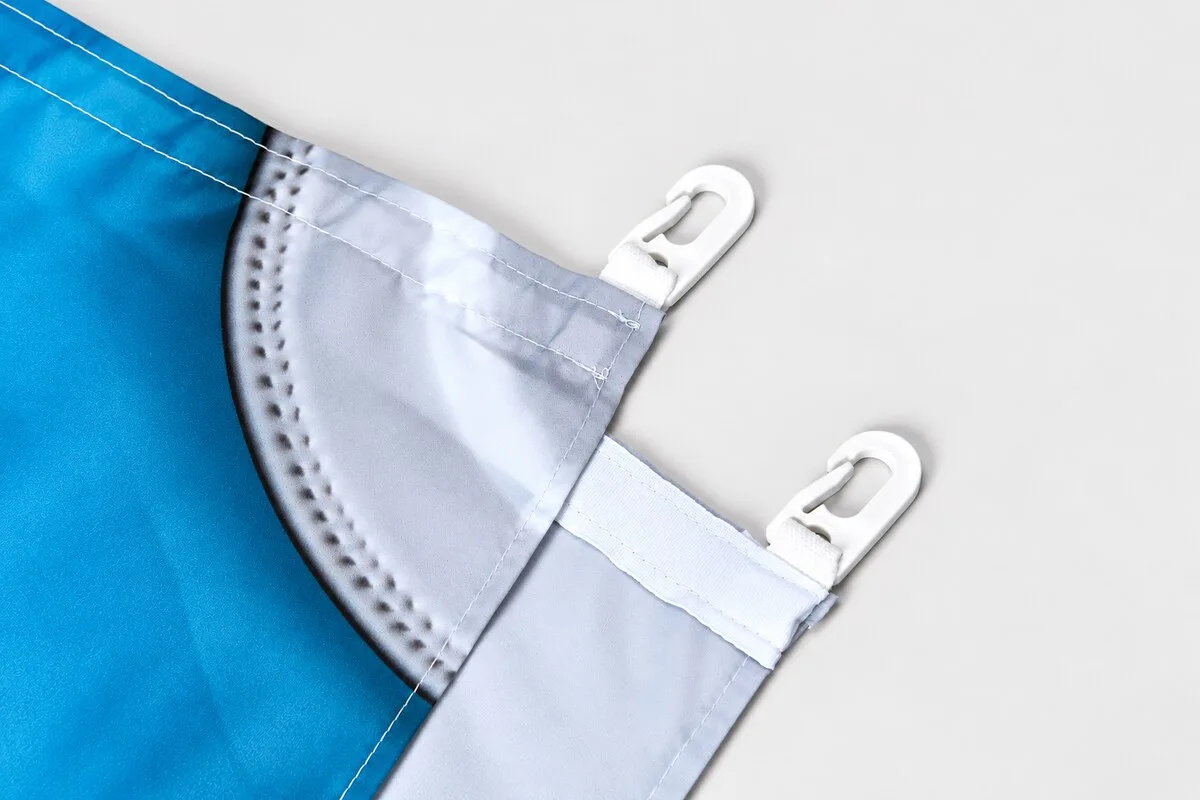
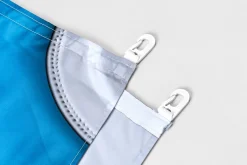
Some locations have nowhere to tie cord – ceilings, crossbars in halls, awnings. In that case the banner edges are reinforced with stitching and fitted with plastic hooks or straps, so you just hook it up. This suits banners that are put up and taken down often, for example banners reused across many events.
Details that decide whether a banner lasts or tears
Corner reinforcement
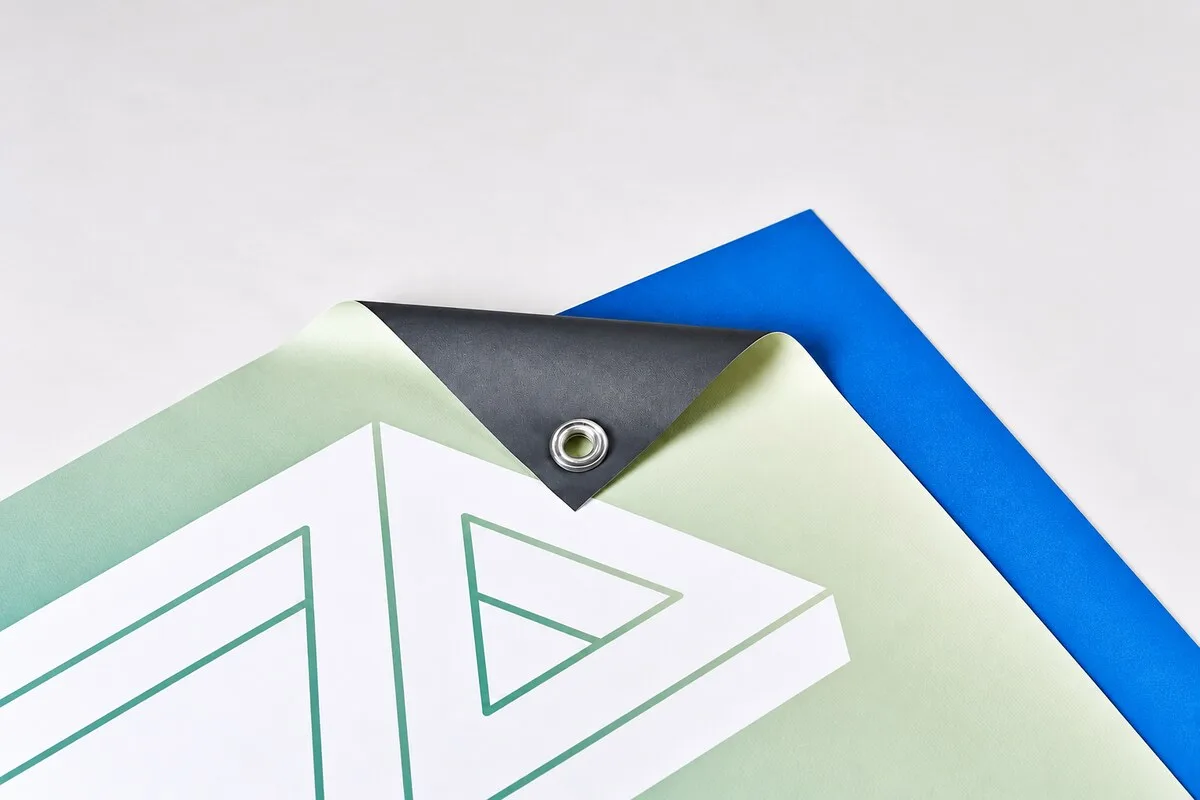
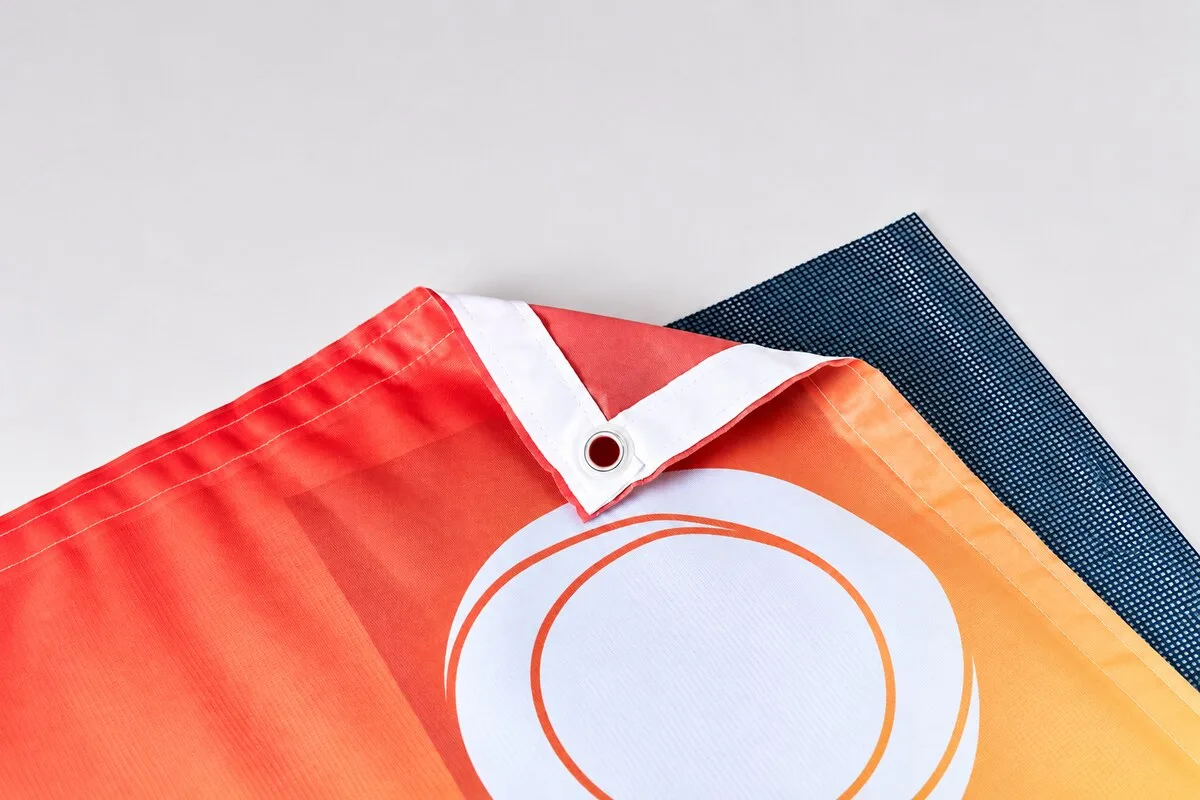
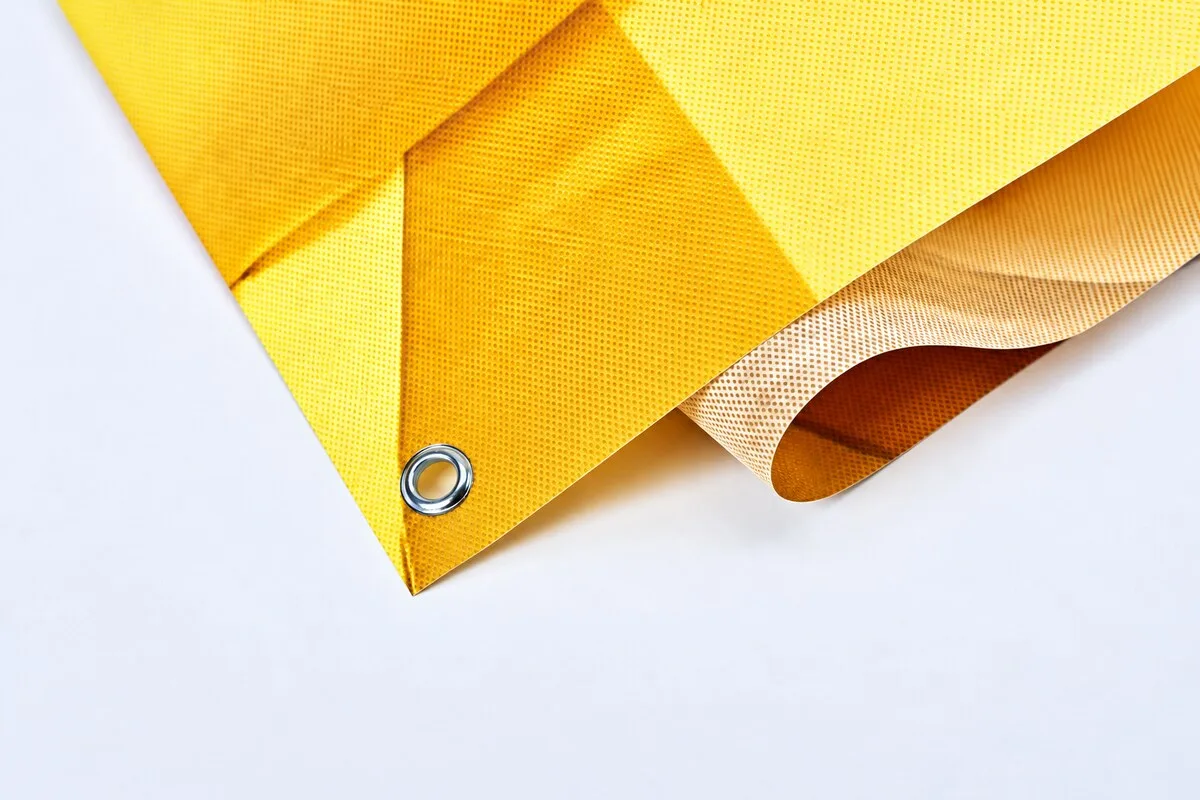
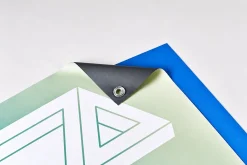
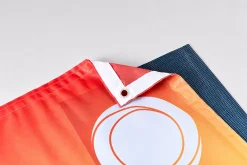
Corners take the most stress when hanging. A patch of fabric or extra banner material welded onto the four corners before punching eyelets keeps the eyelets from ripping through the banner in gusts. This detail is tiny and costs very little extra, but it's the difference between a banner that lasts three months and one that tears after two weeks.
Eyelets
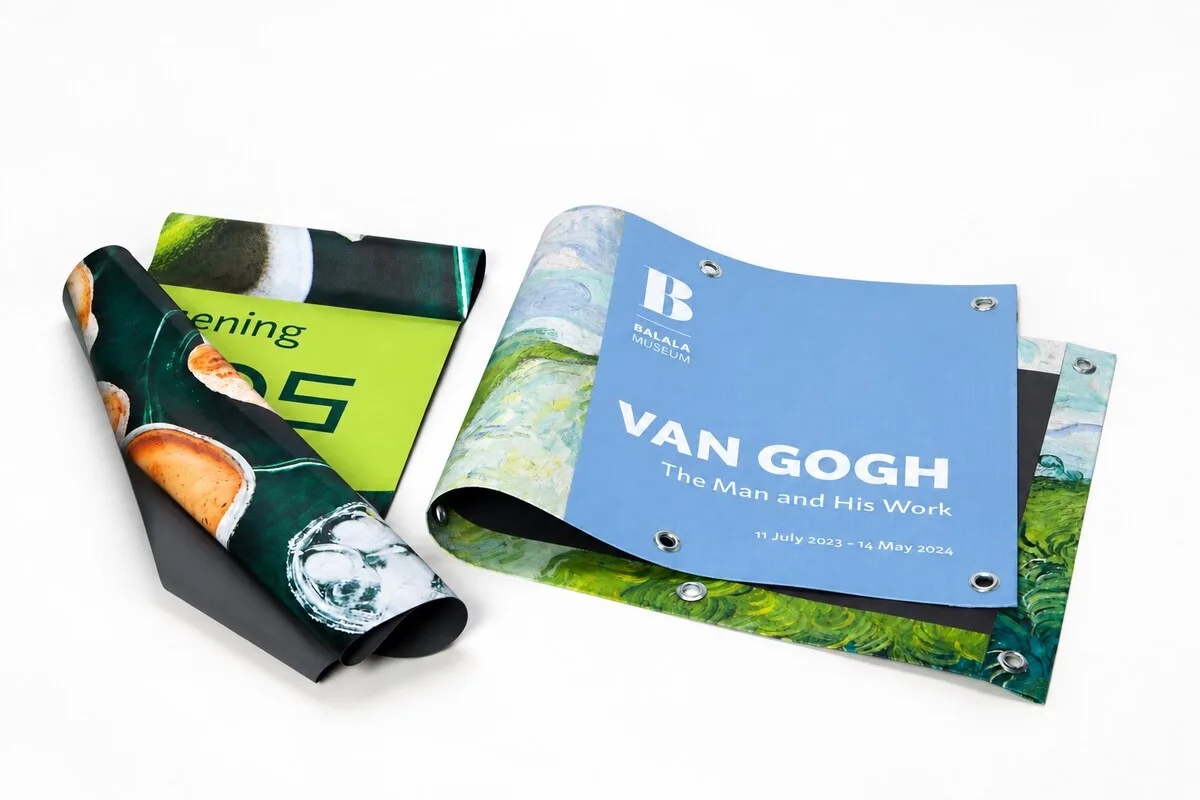
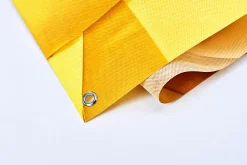
An eyelet is a metal ring punched through the banner, creating a hanging hole that won't tear wider. Eyelets must be punched into the hemmed edge – punched into a single layer of banner, just a few strong gusts stretch the eyelet hole into a tear.
The back of the banner material
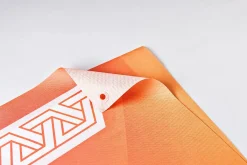
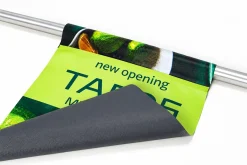
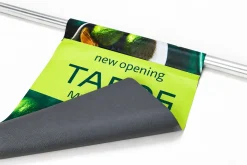
Hiflex banner material is printed on one side only; the other side is a grey or opaque white backing. This backing blocks light from passing through, so when hung where lights or sunlight shine from behind, the print on the front keeps its color instead of looking washed out.
If you need images on both sides – for example a banner hung across a walkway, seen by people passing both ways – a special banner material or two prints stuck back to back is needed. Message us first so we can advise the right option for the hanging location.
Print surface and color durability
Solvent ink on Hiflex banner gives deep color, adheres well and withstands sun and rain. The banner surface is slightly rough, so it doesn't reflect harshly – photos of outdoor banners don't glare. Hung outdoors in Ho Chi Minh City, the printed colors hold up reasonably well over the typical lifespan of an advertising campaign; if you need it to last longer, talk to us in advance to choose the right material and printing technology.
Hemmed edges form a flat, straight border without fraying – also an easy way to tell careful work from rushed cutting.
Designing banner content
The most common mistake is too much text. Passers-by only have 2–3 seconds to read, so a good banner usually has just three layers of information: one main line (the message you want to get across), one secondary line (conditions, timing), and contact details (phone number, address, QR code).
For text size, an easy rule: each 1cm of letter height is readable from about 3m. For a banner viewed by pedestrians from 10m, the main line should be at least 3–4cm tall; hung high for drivers viewing from 30m, the main line needs 10cm or more. Work backwards from there to see how much text a banner can hold.
Quantity and file preparation
Minimum 2 banners per size; ordering 1 is still possible but a minimum of 80.000–280.000đ applies depending on size. If printing several designs in the same run, send them together so we can arrange them on the same banner width, faster and with less waste.
Send files as PDF or AI, CMYK, at 100–150dpi for sizes from 1m up (large formats are viewed from afar so 300dpi isn't needed, and lighter files process faster), with 3mm bleed. If finishing with eyelets or sewn pole pockets, keep text and logos at least 5cm from the edge so they aren't covered by eyelets or stitching.
We check files for free before printing; if you have no file, In Quảng Cáo Q7 can help with design. Send via Zalo 0866.511.099 or email inquangcaoq7@gmail.com. See more on the design file submission guide page, or visit the workshop at 49 Mai Van Vinh, Tan Hung Ward, Ho Chi Minh City.
Banner price table and minimum prices
Prices are based on finished area and decrease as the banner gets bigger. Below are the two current finishing levels, excluding 8% VAT:
- Plain margin: up to 0.5 m² 70.000đ/m² · 0.5–1 m² 64.000đ/m² · 1–2 m² 52.000đ/m² · over 2 m² 42.000đ/m².
- Hemmed edges or hemmed edges with eyelets: 82.000 · 74.000 · 60.000 · 46.000đ/m².
One thing you should know in advance: small banners have a minimum price per piece, because however small a banner is, it still takes one machine setup and one cut. The minimum is 80.000đ for banners up to 1.2 m², 100.000đ for 1.2–1.6 m² and 120.000đ for 1.6–2.4 m². The quick price calculator on the page already applies these minimums, so the figure shown is the real figure.
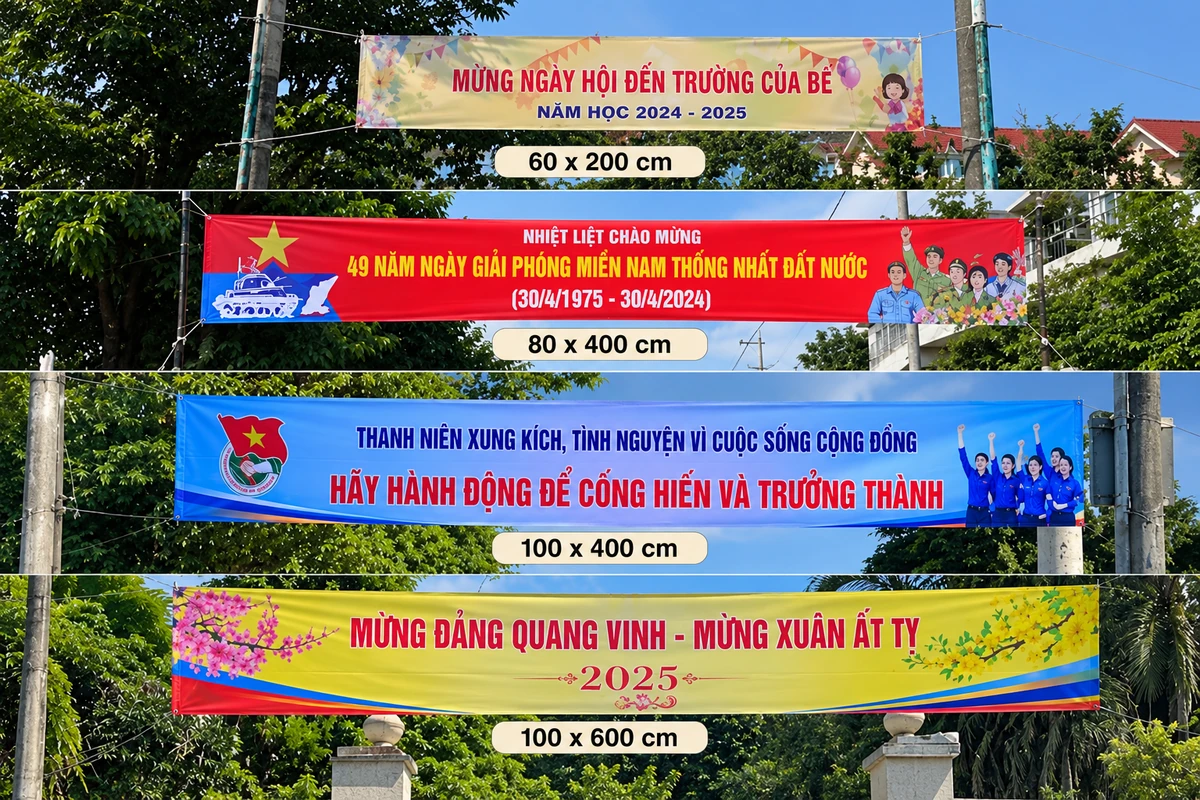
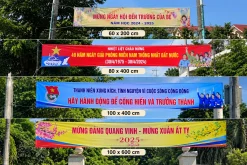
A few examples using the common sizes in the image above, calculated with plain edges: a 60 × 200 cm banner is 1.2 m² but charged at the minimum price 80.000đ; 80 × 400 cm is 3.2 m², coming to 134.400đ; 100 × 600 cm is 6 m², coming to 252.000đ. Areas under 0.5 m² are rounded up to 0.5 m².
The price table shows why combining pays: one 2 m² banner is cheaper than two 1 m² banners combined, and any banner smaller than 1.2 m² costs 80.000đ regardless. If the content allows, combining into one large banner is always better than splitting into small ones. The measurements in the image are reference sizes; when ordering, still check the actual width and height.

Backdrop


Standee

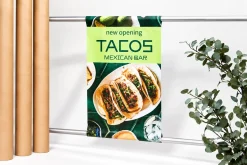
Poster

Advertising signs
Banners by purpose
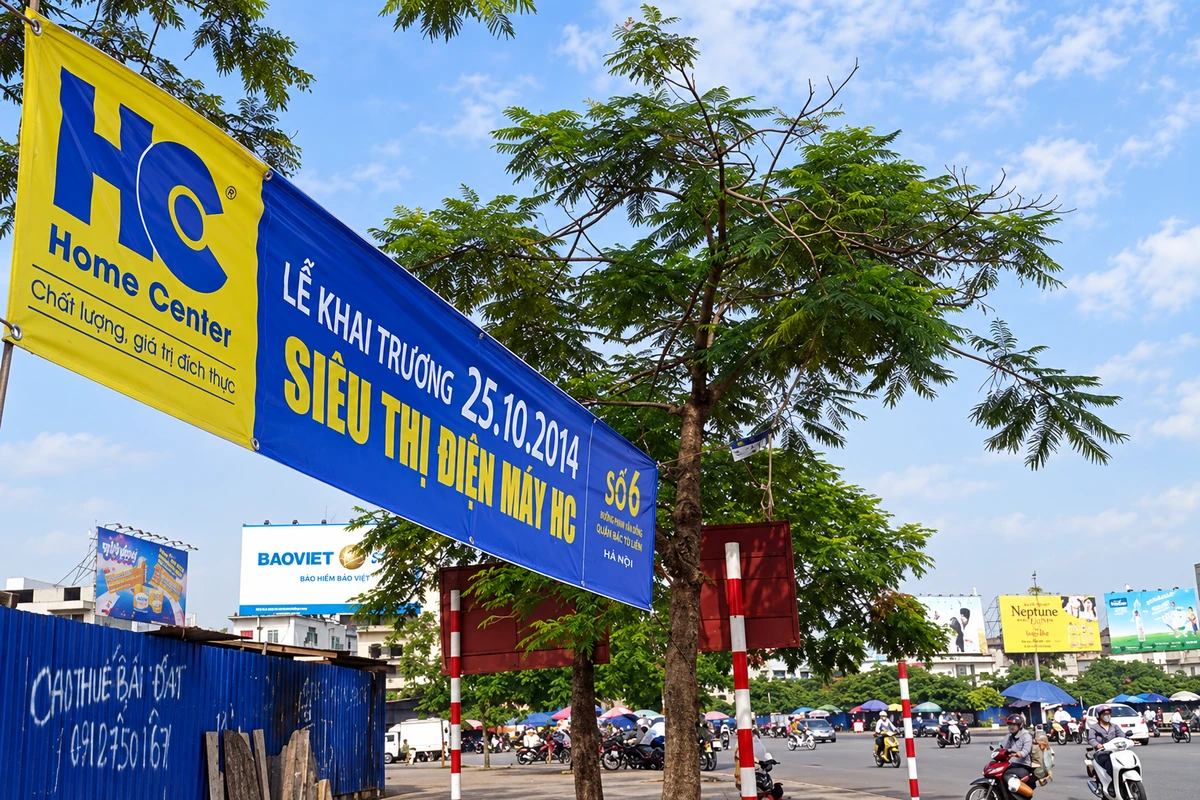
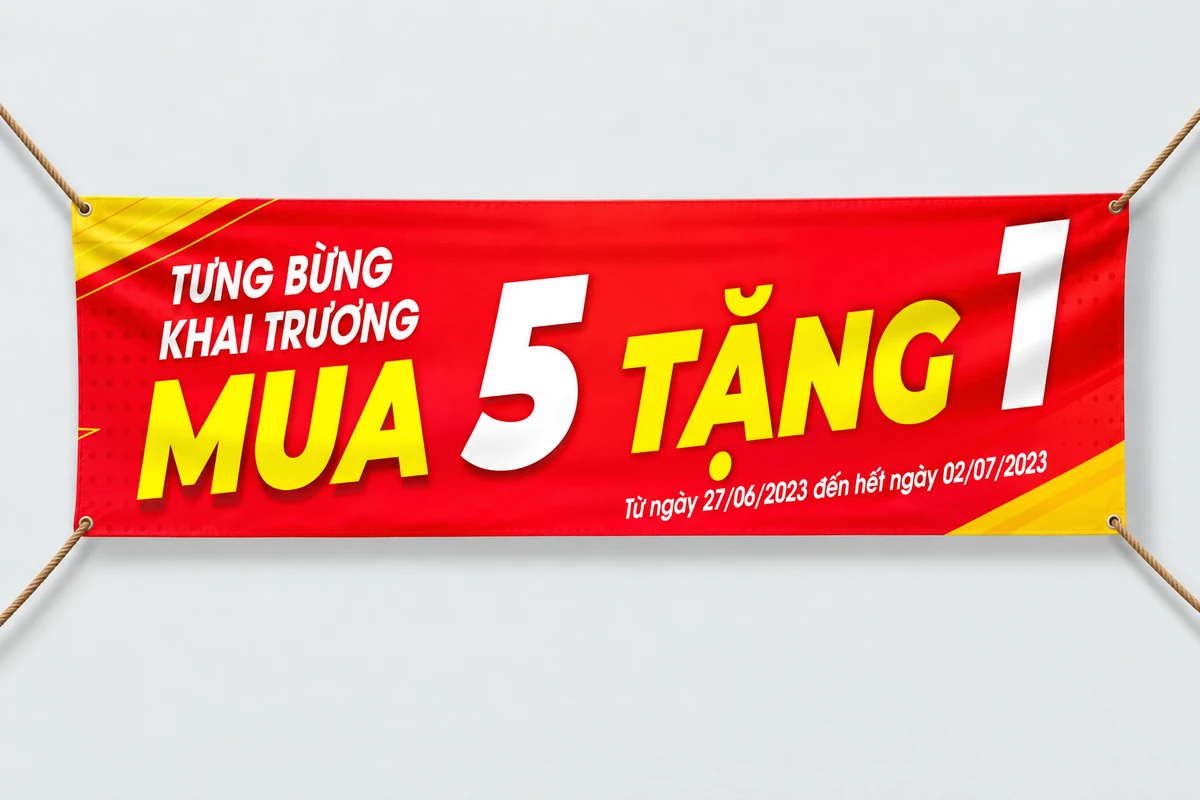
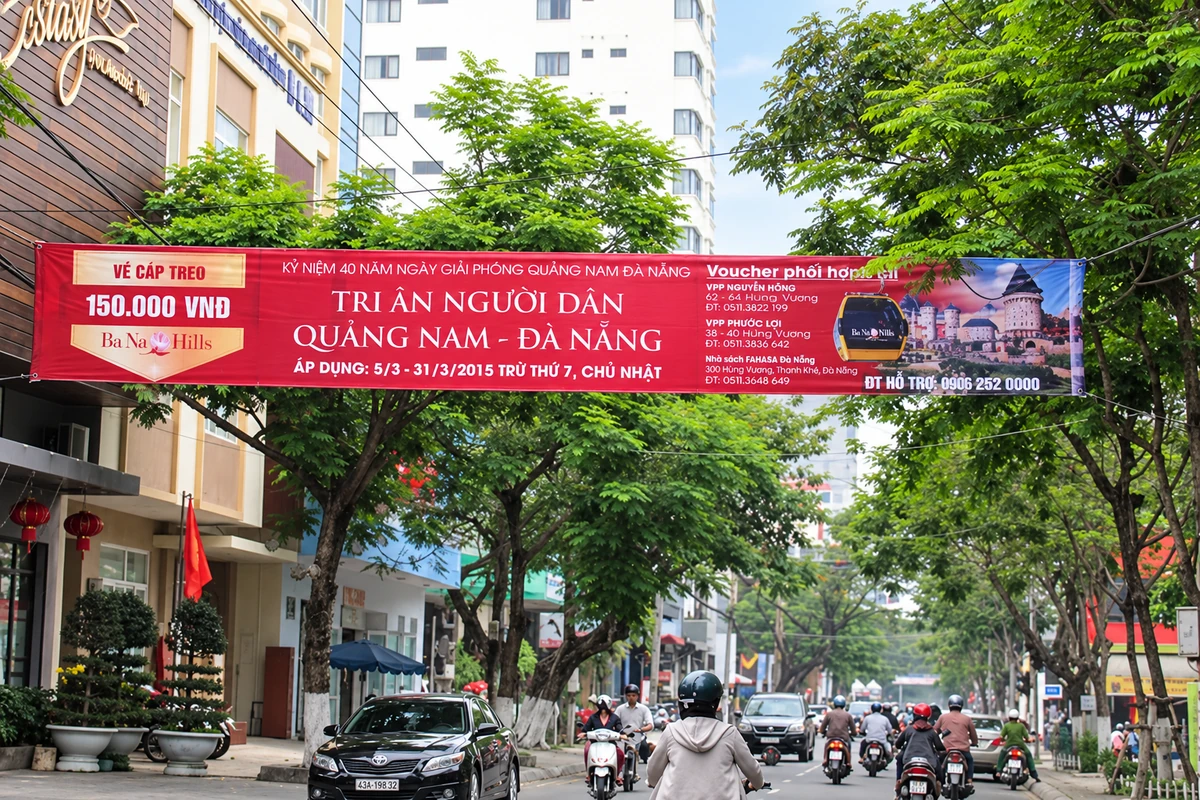
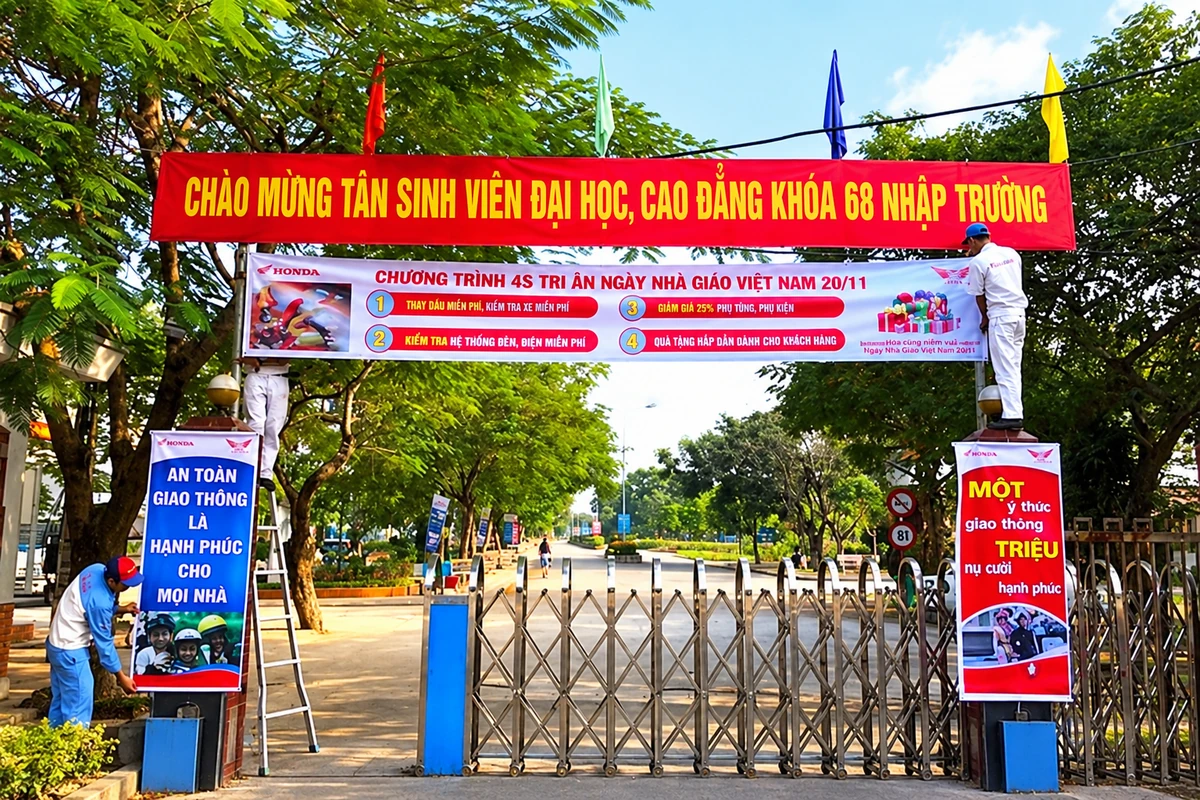
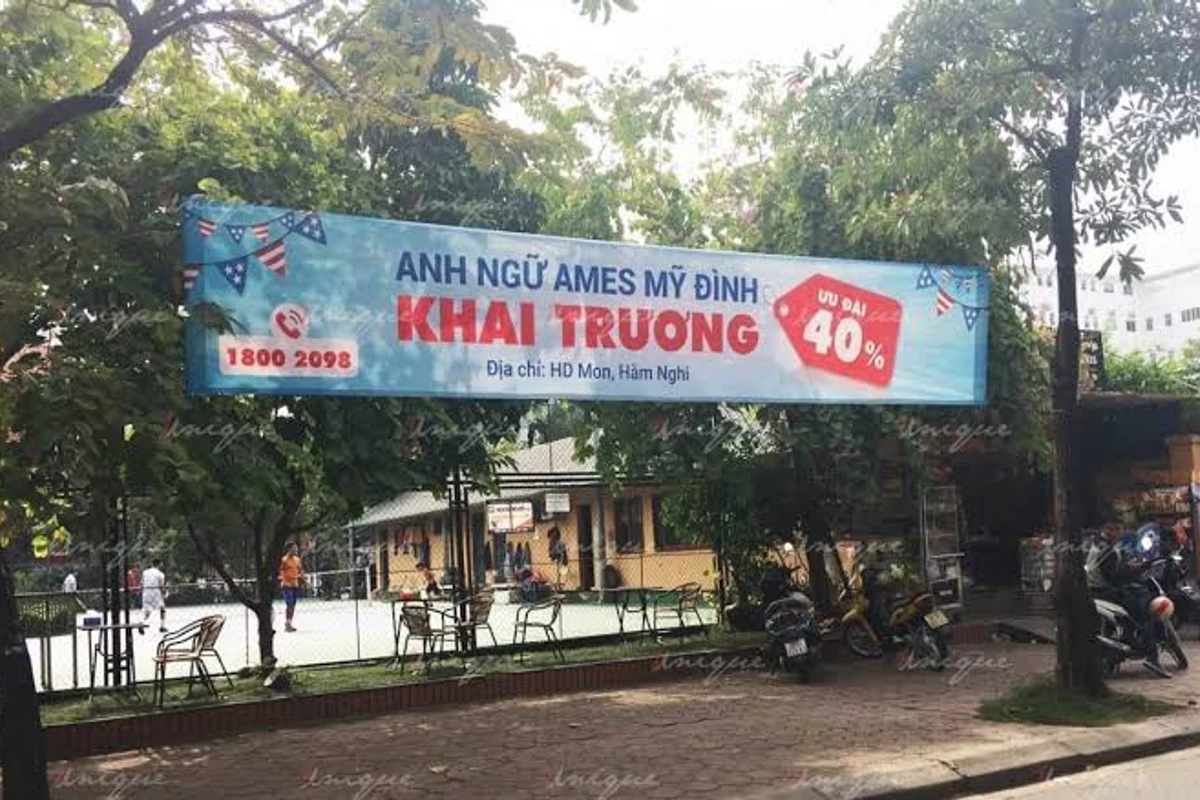
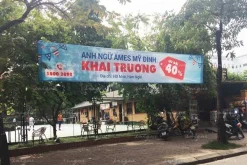
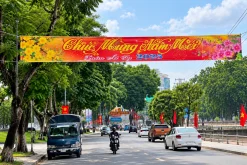
Grand opening are the biggest and most urgent ordering group. These are usually hung across the shopfront or under trees in front of the shop, with short content: shop name, opening date, one line of offers. A red or brand-color background with white or yellow text is the color pair readable from furthest away.
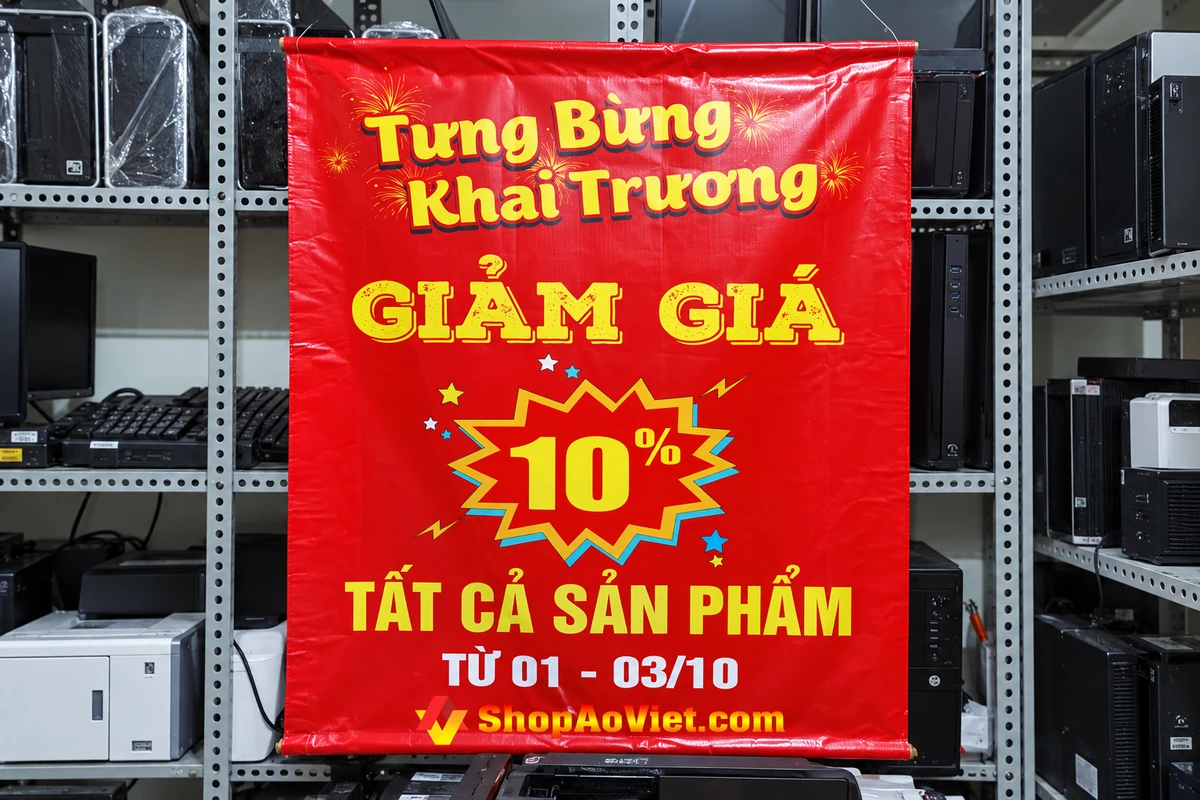
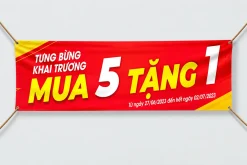
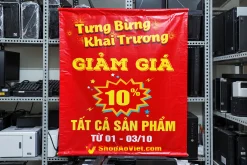
Promotions have a shorter life — hung for a few weeks and then removed. For this group, what matters is that the discount figure is big and sits in the middle, while store lists, hotlines or QR codes go in the bottom strip. Since they're replaced often, many shops choose plain edges to save money and tie them at the corners.
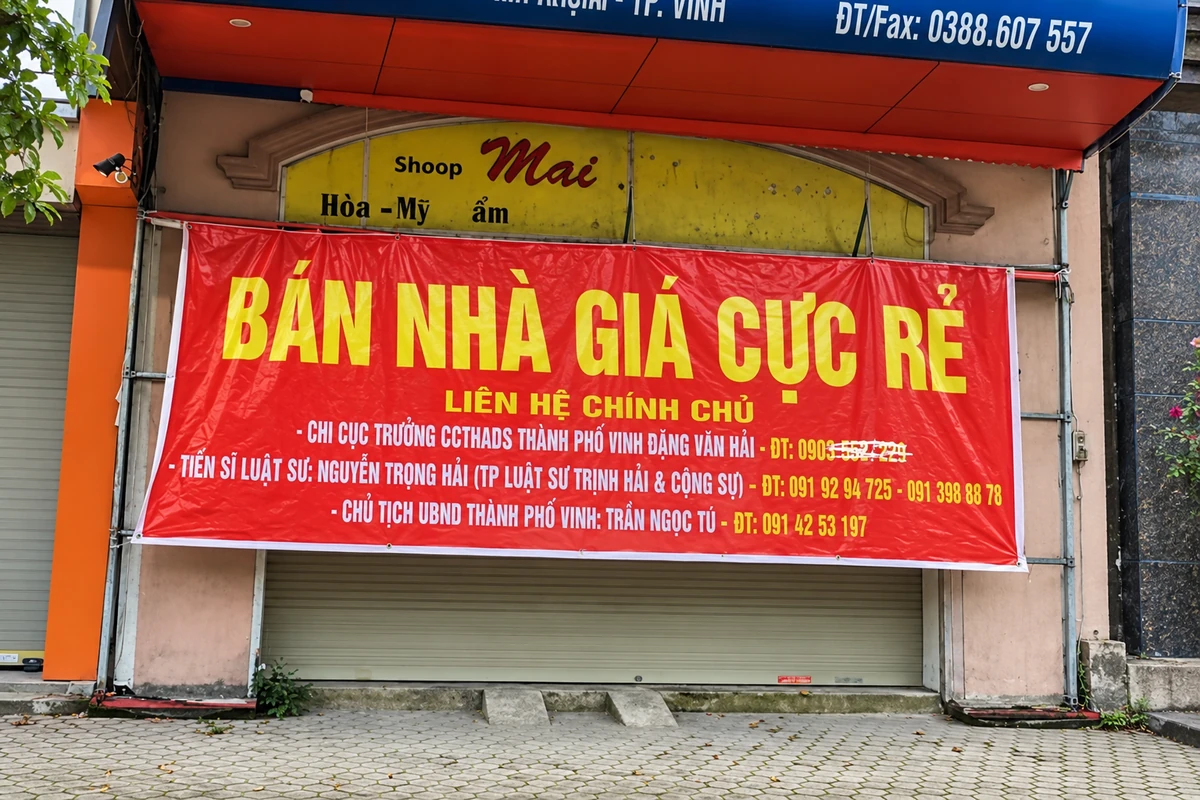
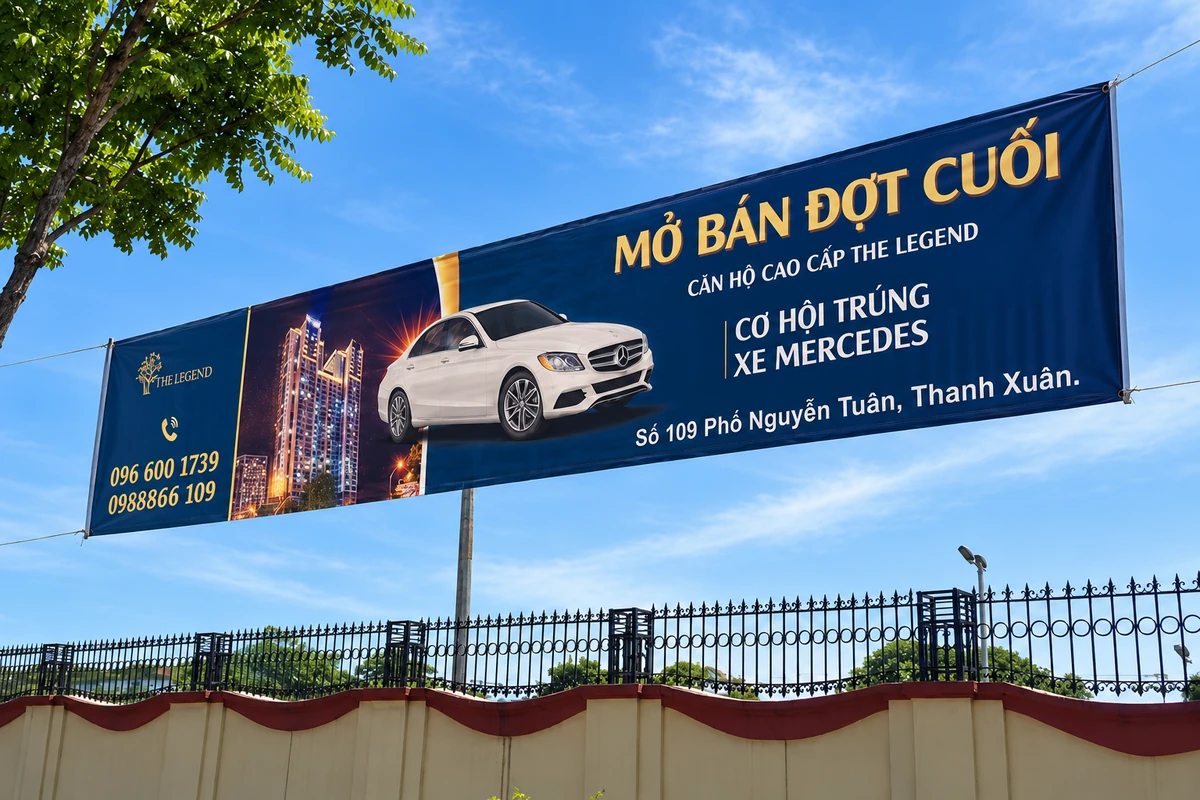
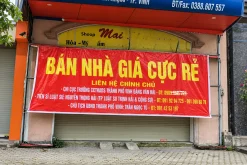
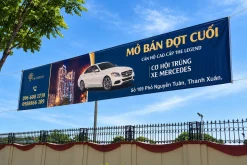
Real estate uses very long banners hung at project frontages or along the access roads to projects. Content in this group is dense: project name, price, policies, hotline, so a clear three-tier layout and text large enough to read from a moving car are needed.
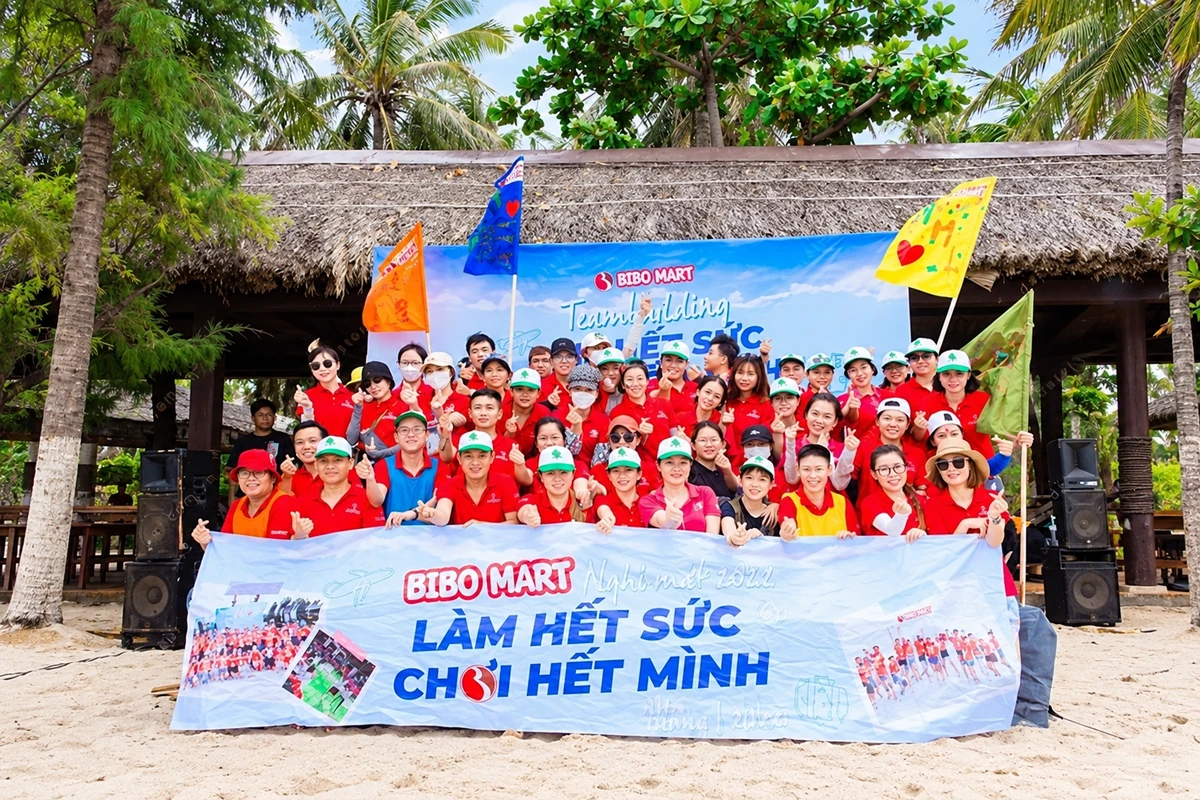
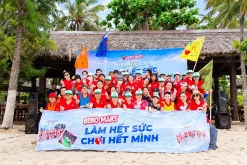
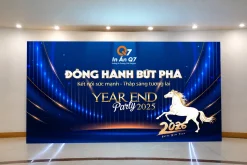
Schools and internal programs order seasonally: school openings, freshman welcomes, sports days, year-end reviews, company trips. Besides gate banners there are handheld ones for group photos — small sizes held at both ends by two people, so choose hemmed edges so they don't fray after being rolled up a few times.
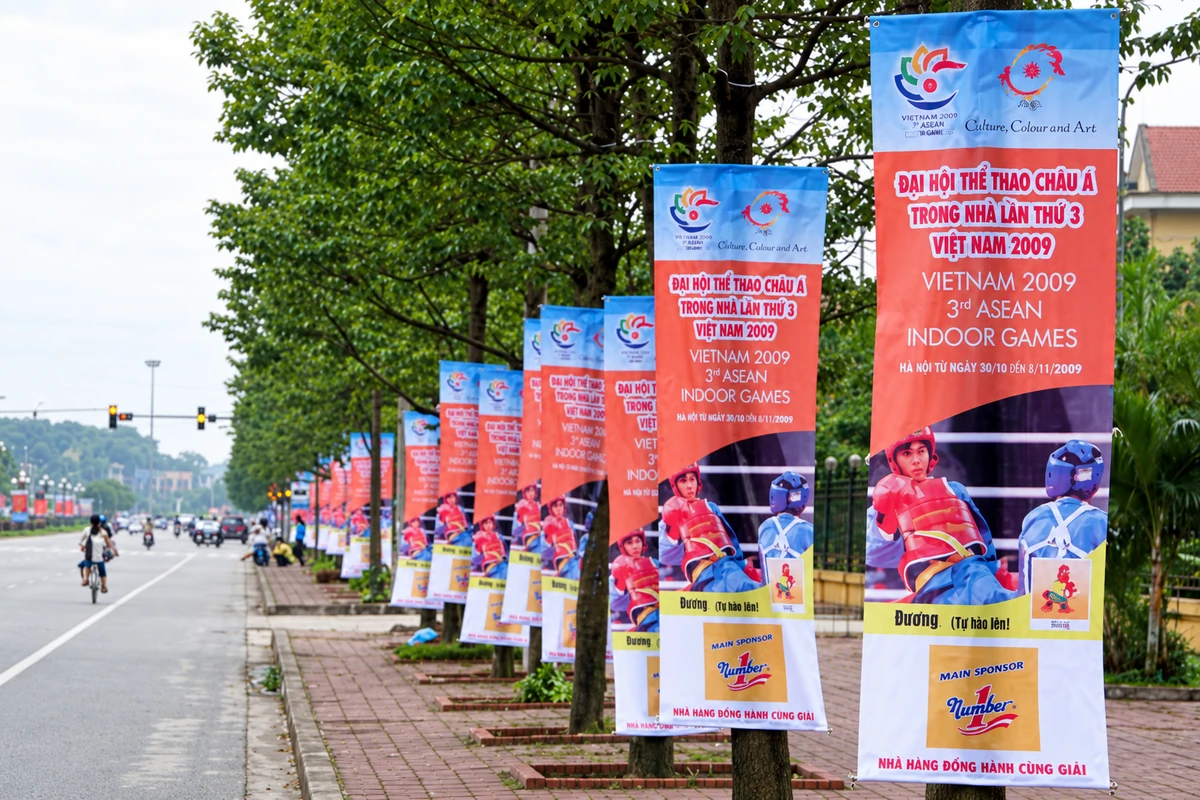
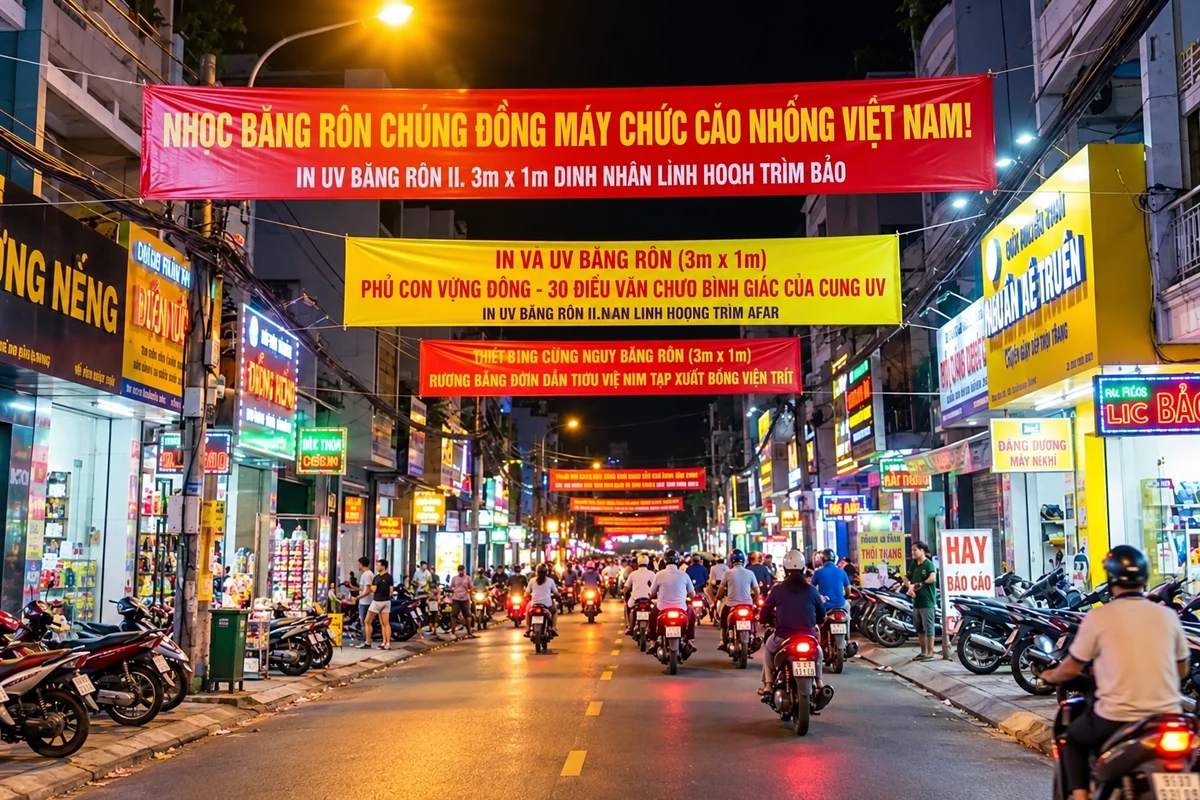
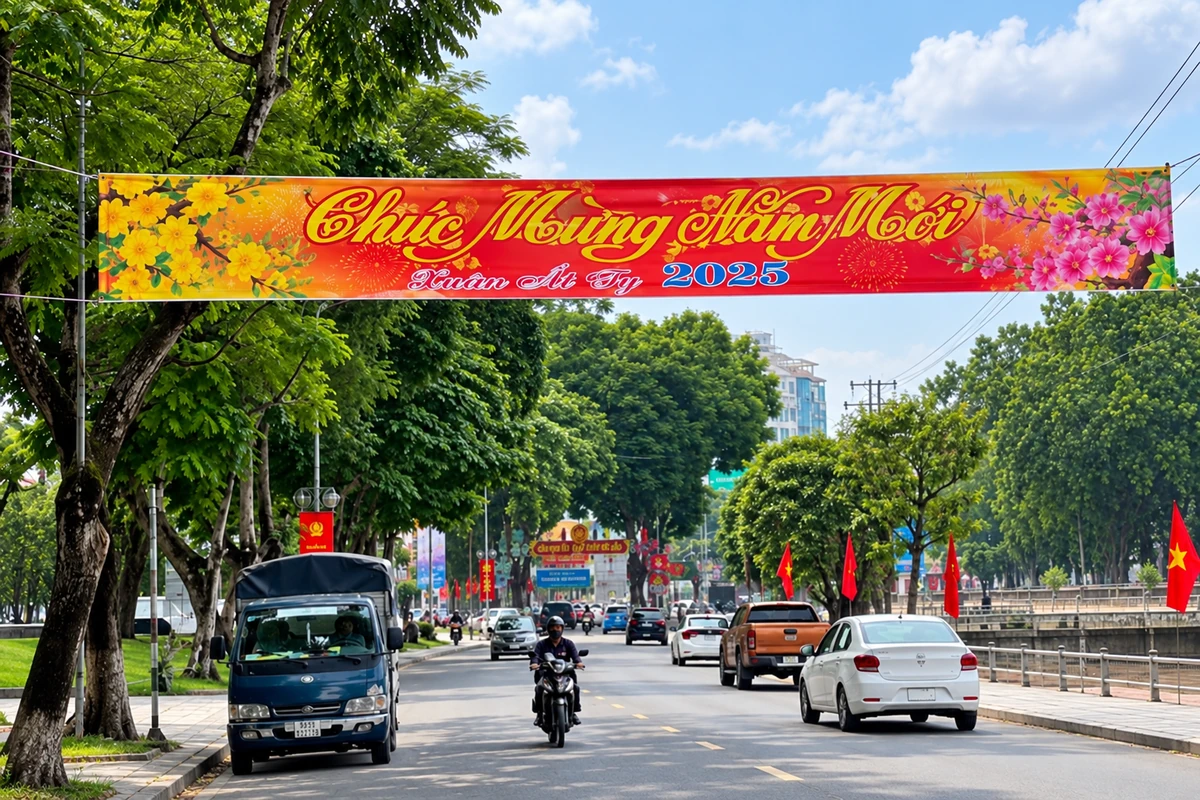
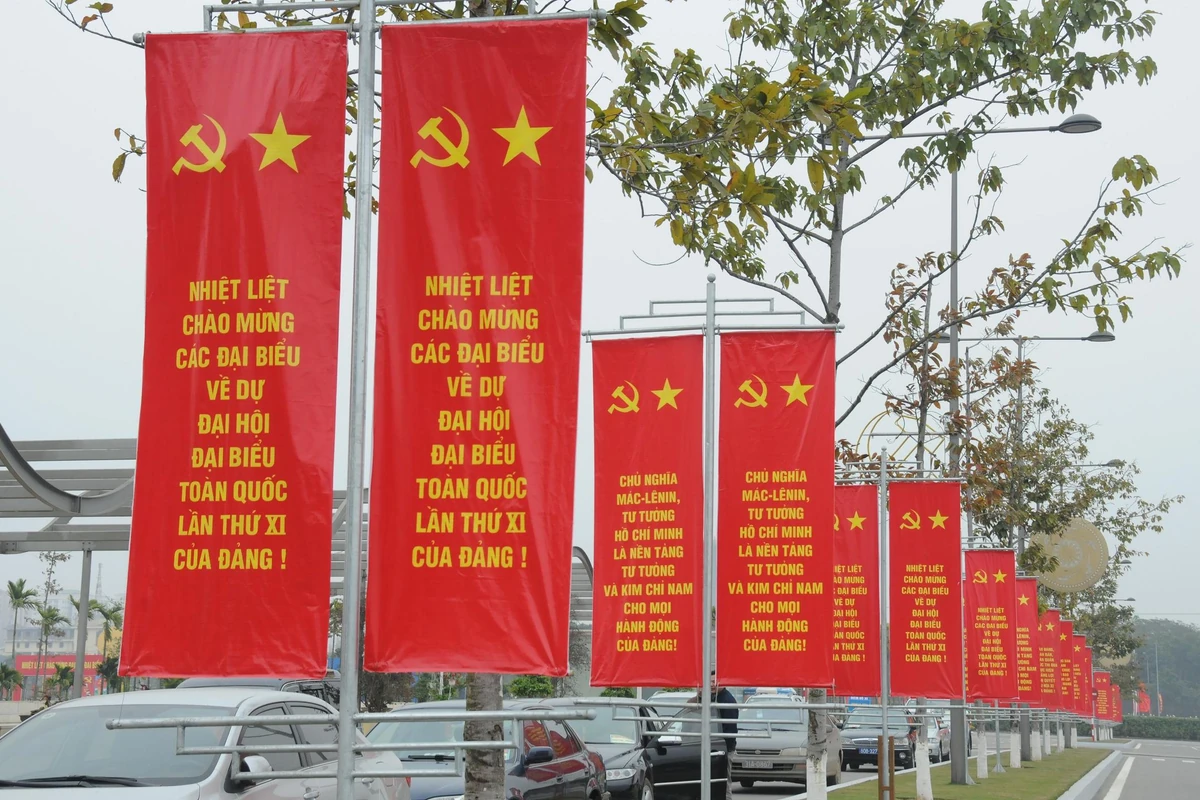
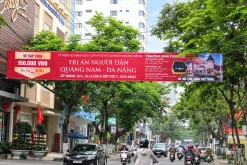
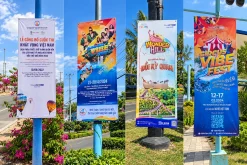
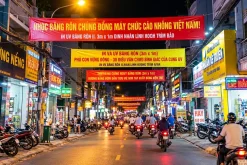
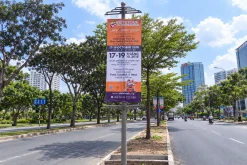
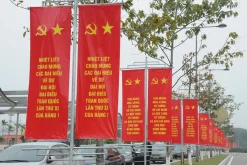
Holidays and street banners are a large-quantity group, with the same design printed and hung in a row along many streets. Banners hung across the street take much stronger wind than shopfront banners, so hemmed edges, eyelets and ties at all four corners are mandatory. Hanging across a street also requires permission under local regulations — please arrange this with the ward before ordering.
Vertical flag banners and vertical banners
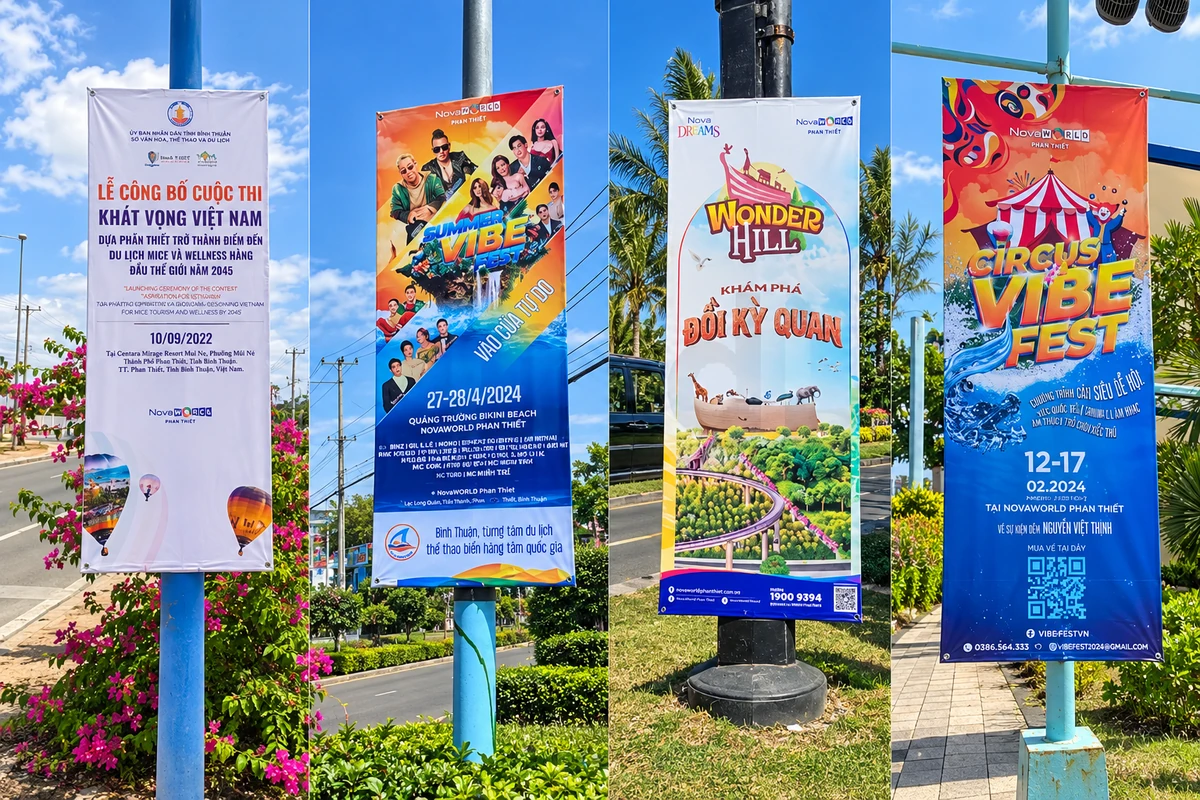
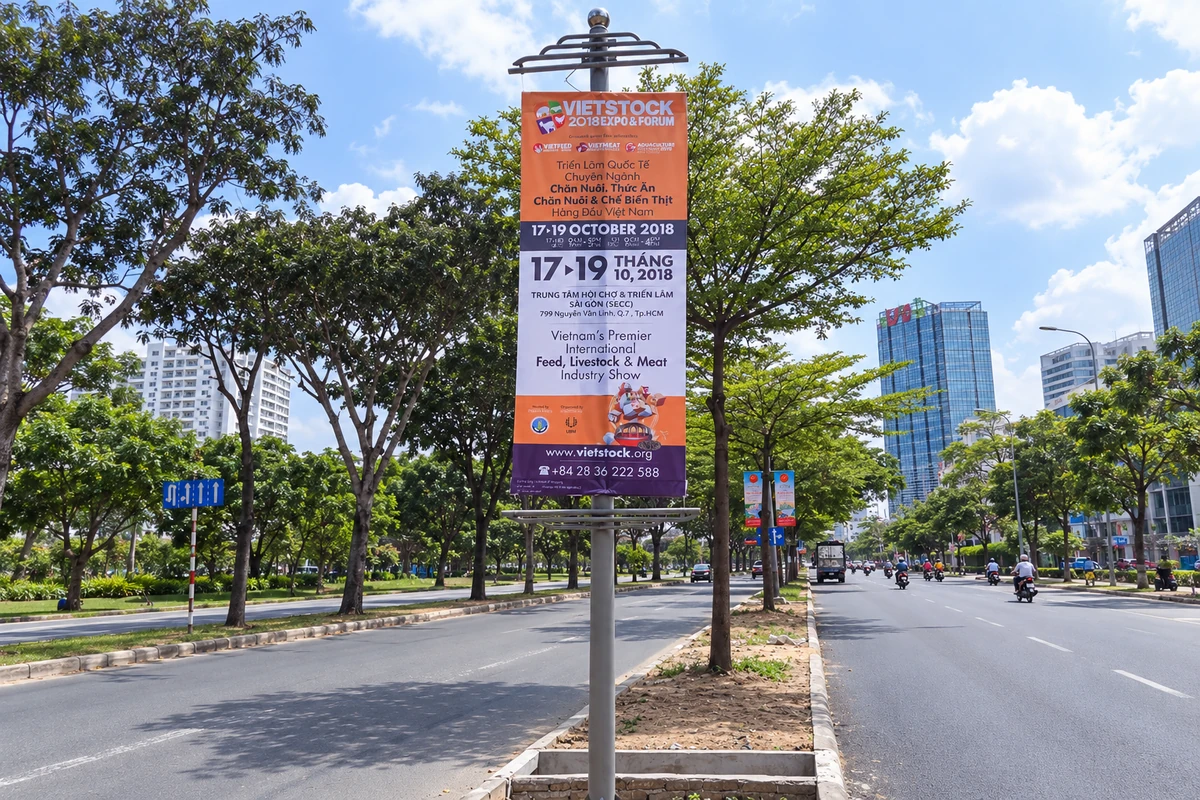
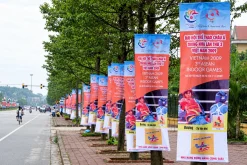
A vertical flag banner is a print in portrait orientation, hung on lamp posts, utility poles or on both sides of a walkway. Unlike horizontal banners, passers-by see it at eye level and from both directions, so flag banners are good for repeating a program name many times along a route rather than saying everything on one sheet.
The most common way to hang flag banners is with poles: sew two sleeves at the top and bottom edges, slide plastic or metal rods through and mount it on the post. The bottom rod keeps the flag from flipping in the wind. The second way is eyelets at the four corners tied with cord, cheaper but the flag twists and wrinkles easily.
Vertical flag banners need a completely different layout from horizontal ones: the logo and program name go in the top third, the middle holds the image or main message, and the bottom is for the date and organizer. Vertically running text is very hard to read, so even in portrait format, keep the text horizontal.
Birthday banners and personal decorations
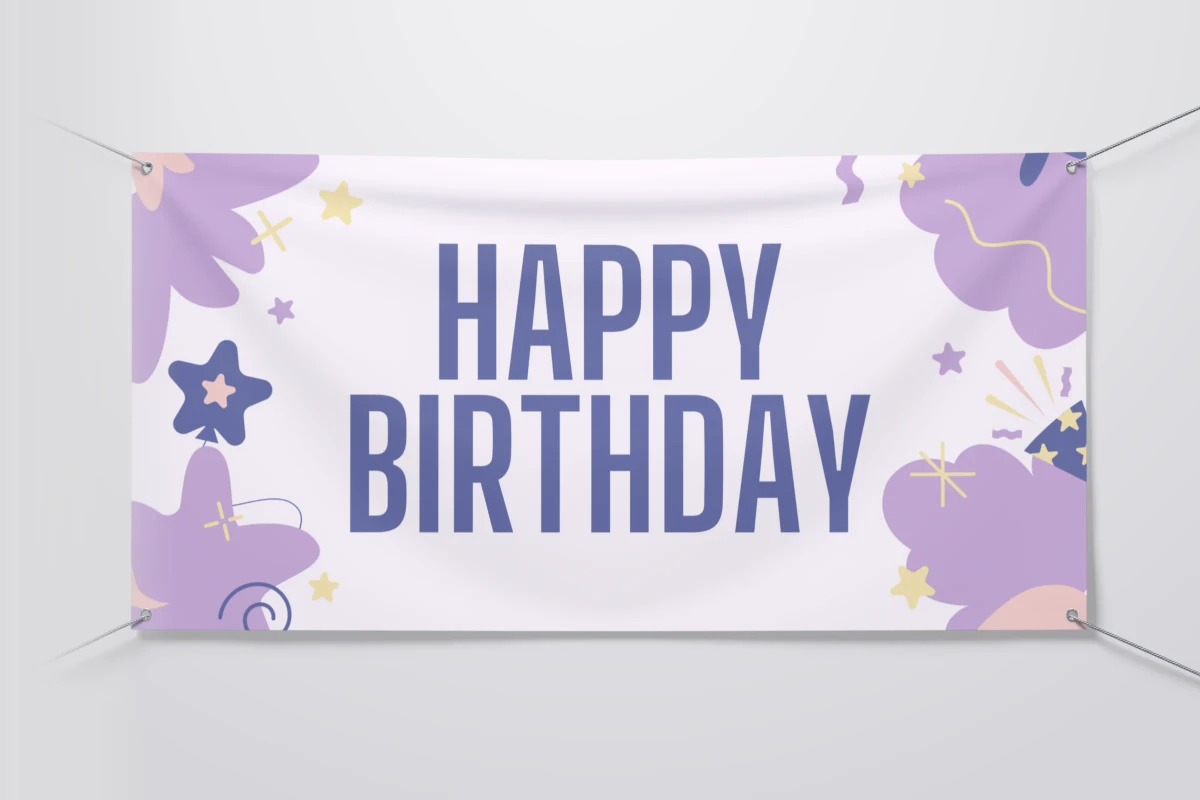
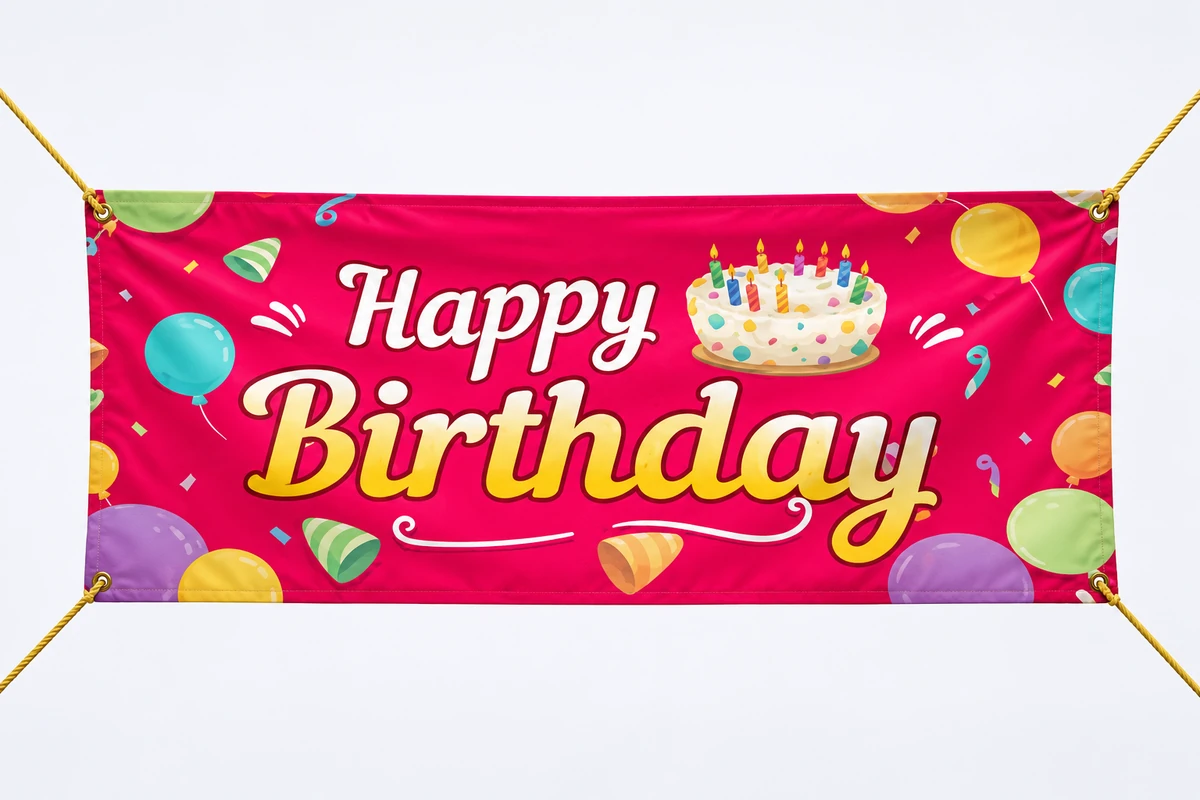
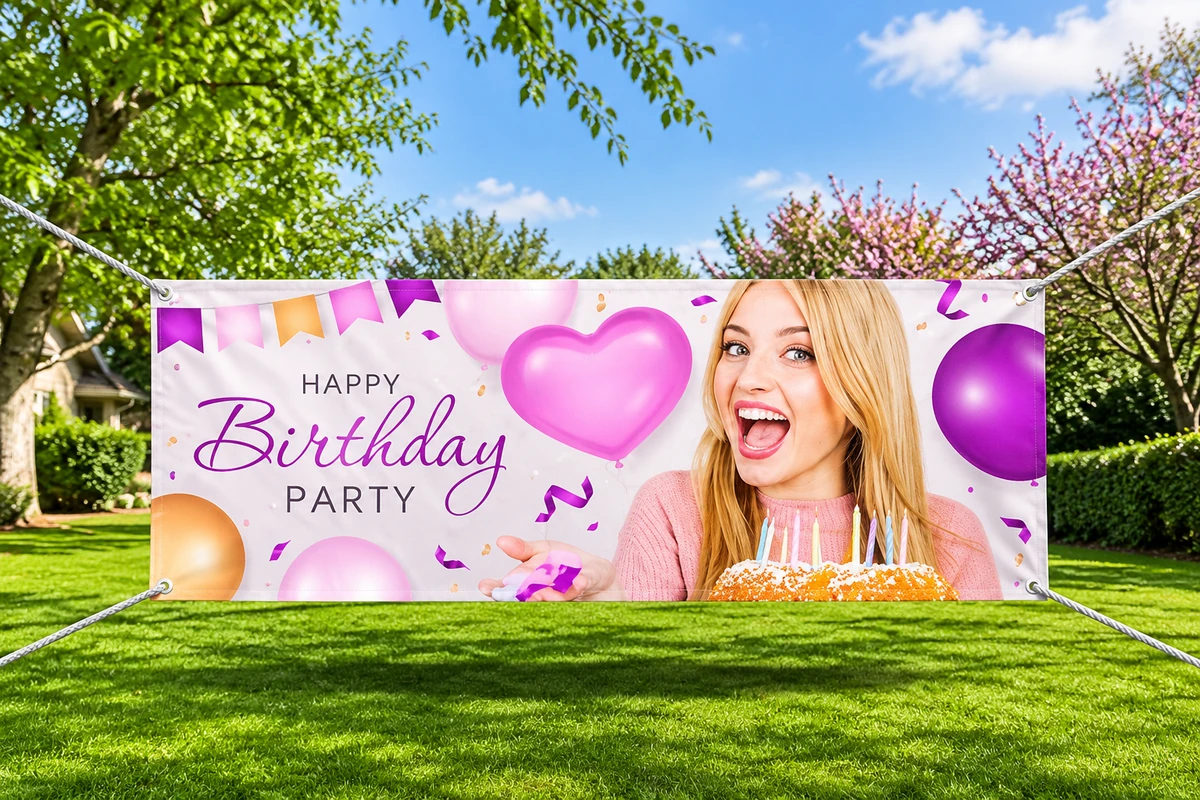
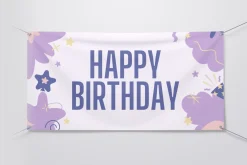
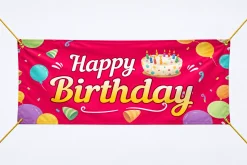
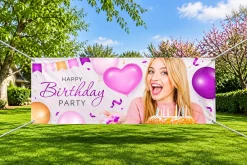
Beyond advertising, small banners are also ordered a lot for birthday parties, first birthdays, one-month celebrations and family gatherings. Sizes are usually small, 1–2 m², stretched with cord through eyelets at the four corners and hung on a wall or between two trees. Being small, most fall into the 80.000đ per-piece minimum price.
What sets this group apart is photos. These banners often include portraits, and phone photos enlarged to 2 m easily become grainy. Send original photos that haven't been through editing apps, and don't send photos re-downloaded from Facebook or Zalo — images that pass through those platforms are compressed and lose detail.
Party banners are usually hung indoors or in a garden for one occasion and then put away, so plain edges are enough. If you want to keep it as a souvenir, choose hemmed edges; they won't fray and can be rolled up and stored for years.
Backdrop
Standee
Poster

Invitations
See more of our workshop's real projects: conference backdrop.
Banner printing and delivery areas
Banners are printed at our workshop at 49 Mai Van Vinh, Tan Hung Ward, Ho Chi Minh City. Finished banners are rolled around a core so they're compact; we deliver within the city or you can pick them up in person.
- Around the workshop — District 7, Phu My Hung, District 4, District 8, Nha Be, Binh Chanh. Common-size banners ordered in the morning can usually be picked up the same afternoon.
- Central area — District 1, District 3, Binh Thanh, Phu Nhuan, Tan Binh. Delivered to your shop, office or straight to the hanging location at the time you arrange.
- Rest of the city — Thu Duc, Go Vap, Tan Phu, District 10, District 11, District 12, Binh Tan, Hoc Mon, Cu Chi. Delivered on daily routes.
- Other provinces — sent by bus courier or delivery service. Rolled banners handle long-distance transport well; just avoid folding creases into the print.
If you're hanging the banner outdoors in a windy area such as a riverside or a major road frontage, let us know in advance so we can reinforce the corners more thoroughly and choose a suitable finish. This small detail decides whether the banner lasts a few weeks or tears after the first rainstorm.
Order banner printing at In Quảng Cáo Q7
Choose the size, banner type and finish right on this page, then click Ordering; or message us on Zalo / call 0866.511.099 for advice on hanging and a quote within 30 minutes during working hours. Our workshop at 49 Mai Van Vinh, Tan Hung Ward, Ho Chi Minh City has banner samples and edge finishing samples for you to see in person. Production & delivery: 8:00–12:00 & 13:00–18:00 Mon–Sat (closed Sun) · Consultation & orders: 8:00–12:00 & 13:00–20:00 Mon–Sat; 14:00–19:00 Sun.
| Banner type | White 3.2Z 300g banner |
|---|---|
| Printing technology | Solvent ink printing |
| Finishing | Plain margin, Hemmed edges, Hemmed edges with eyelets |
| Made at | In Quảng Cáo Q7 workshop – 49 Mai Van Vinh, Tan Hung Ward, Ho Chi Minh City |
| Origin | Vietnam |
| Status | Made to order |
| Warranty | 24 hours from receipt: if you find a printing error or a difference from the approved file, let us know and we will reprint free of charge. |
| Price excl. VAT | 35.000 ₫ – 41.000 ₫ |
| Price incl. 8% VAT | 37.800 ₫ – 44.280 ₫ |
Ordering
Three ways to order: choose the specifications and quantity on the website and click Place order; message us on Zalo or call 0866.511.099; or visit the workshop to see material samples at 49 Mai Van Vinh, Tan Hung Ward, Ho Chi Minh City. During working hours, In Quảng Cáo Q7 replies within about 30 minutes. Most products have listed prices by size, material and quantity – prices exclude 8% VAT.
→ Online ordering guide · Quick quote
Sending design files
PDF or AI preferred, CMYK color mode, 300dpi for small formats, 3mm bleed. Send via Zalo, email inquangcaoq7@gmail.com, the form on our website, or a Google Drive link for large files. We check your file for free before printing; if you have no file yet, In Quảng Cáo Q7 can help with the design.
→ Design file submission guide
Payment
Bank transfer, QR code or cash at the workshop. Orders are confirmed and scheduled for production after payment; after transferring, send a photo of the receipt with your phone number via Zalo. Transfer note: Your name – Phone number – Product.
→ Payment guide
Timing & delivery
Completion time is shown on each product, counted from receipt of a print-ready file and payment confirmation. Pick up at the workshop Monday – Saturday, 8:00–12:00 and 13:00–18:00; urgent orders within Ho Chi Minh City delivered within 2 hours; other provinces via bus courier or express delivery. On receipt, please check quantity, size, material and condition of the products.
Order tracking
Enter the phone number used when ordering to see your orders from the last 90 days and their status: Unpaid → Printing → Printed → Delivering → Invoiced → Completed. For orders placed via Zalo, send your name and phone number to get progress updates.
→ Order tracking
E-invoice (VAT)
In Quảng Cáo Q7 issues 8% VAT e-invoices. Provide the company name, tax code, address and email within 24 hours of ordering; the invoice is issued within 24 working hours and sent by email, and cannot be changed once issued.
→ E-invoice (VAT) details
Misprints – reprints
Products that differ from the order or the approved proof are reprinted free of charge – report within 24 hours with photos. Spelling mistakes in a file you approved are not covered by free reprints.
→ Frequently asked questions (FAQs)
Reviews
There are no reviews yet.