








































































Our commitments
Printed directly in our workshop, no middlemen
Digital and offset presses right in our workshop. You deal directly with the people who make your order, so every request is understood and handled immediately.
Fast production, many orders ready the same day
Business cards, documents, decals, standees… printed and delivered the same day. See production times for each product group.
One point of contact, all-in-one from file to finished product
Quotes, orders, Zalo messages, delivery booking and invoicing run automatically on one system. Design – printing – finishing – installation all happen in-house, so you don't have to go anywhere else.
Full VAT invoices, issued fast
E-invoices issued right after delivery, with urgent support for businesses that need documents early for payment.
Price Tags
From 190.000 ₫
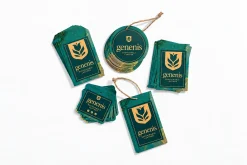
Product hang tags on 300gsm Couche paper, offset printed on both sides, matte laminated and punched for hanging. Optional rounded corners. From 500 pieces, from 190.000đ per batch.
Hang Tag Printing for Fashion Shops, Ceramics and Cafés
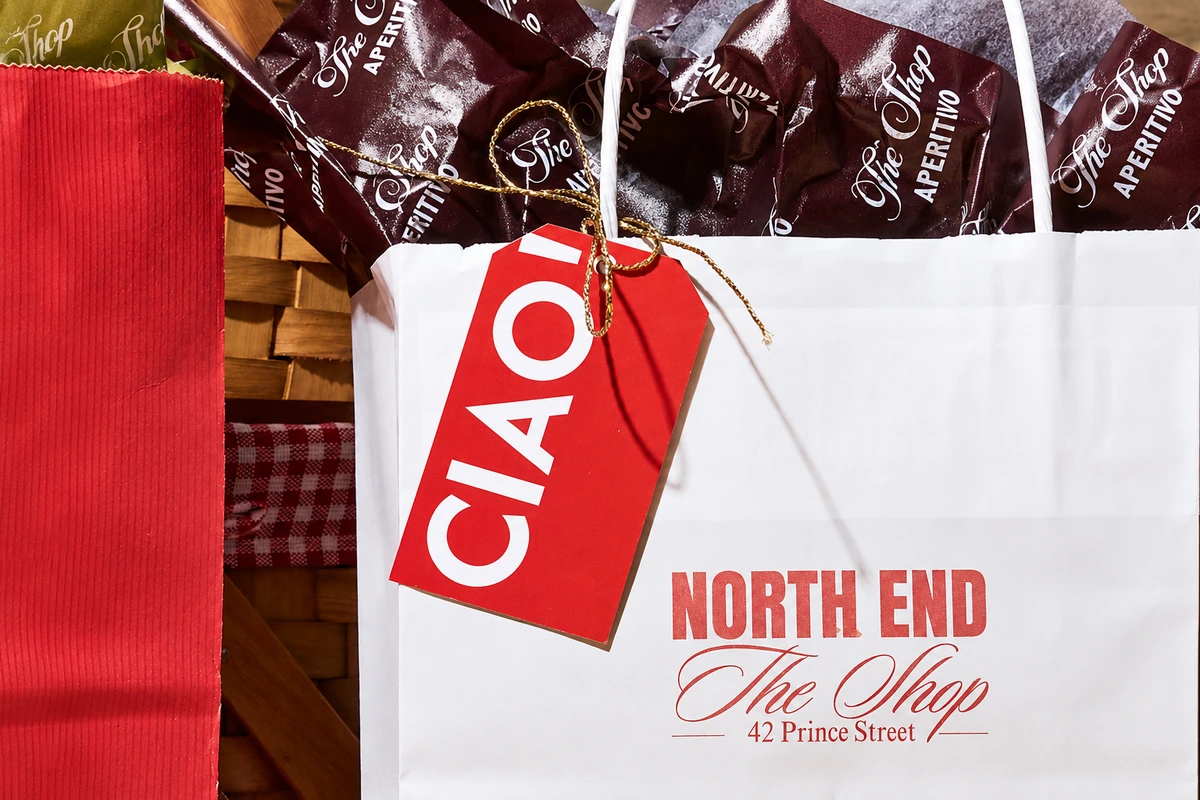
A hang tag is a small punched card with a string threaded through, hung on a product. It's printed with the item name, price and product code, sometimes with a logo and QR code. Every shop displaying goods on shelves needs them, from clothing shops to ceramics stores, cosmetics counters and café bakery corners.
In Quảng Cáo Q7 prints hang tags from 500 pieces, from 190.000đ for a batch of 500 standard tags. Shapes and specifications outside the price table are quoted separately on request.
What a hang tag is
Price tags, swing tags, hang cards or hang tags are all the same thing: a palm-sized piece of card with a hole punched at the top, threaded with a string and tied to the product. Unlike labels stuck directly on packaging, hang tags dangle freely so customers can pick them up and see both sides.
Because both sides can be seen, many shops print the logo and product name on the front and the price, product code, care instructions or a QR code to the fanpage on the back. One small card both displays the price and introduces the brand.
Hang tags are also kept longer than you might think. Tags hung on gifts, cosmetic bottles or ceramic mugs are often removed and left in the box — so they're worth investing in paper and printing rather than treating as an afterthought.
Common shapes
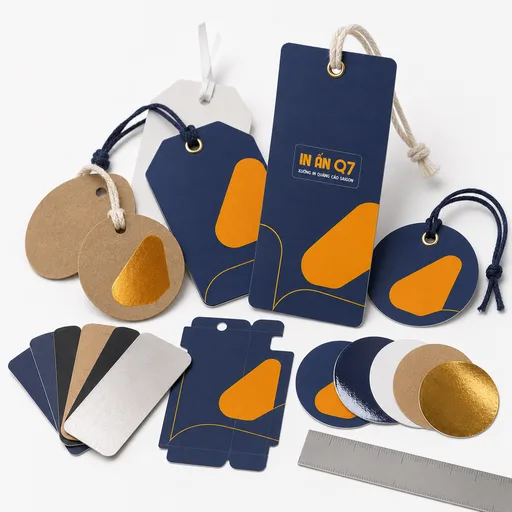
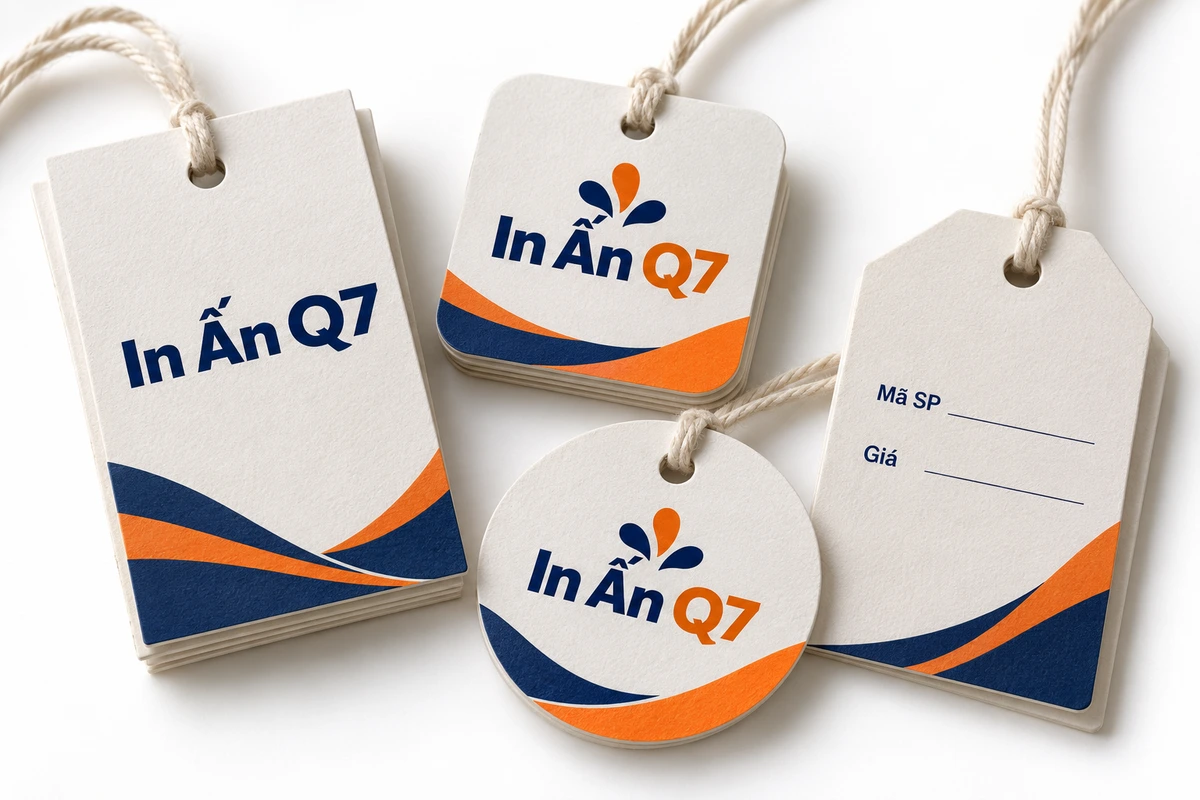
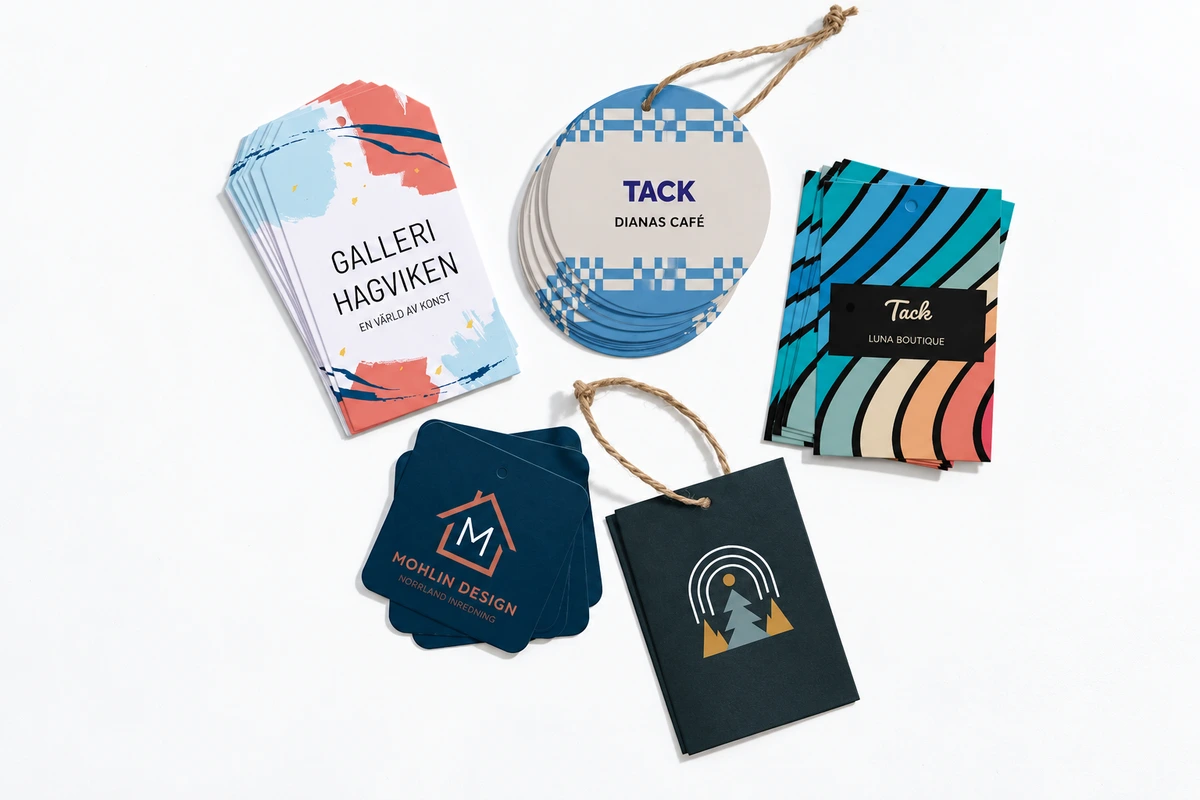
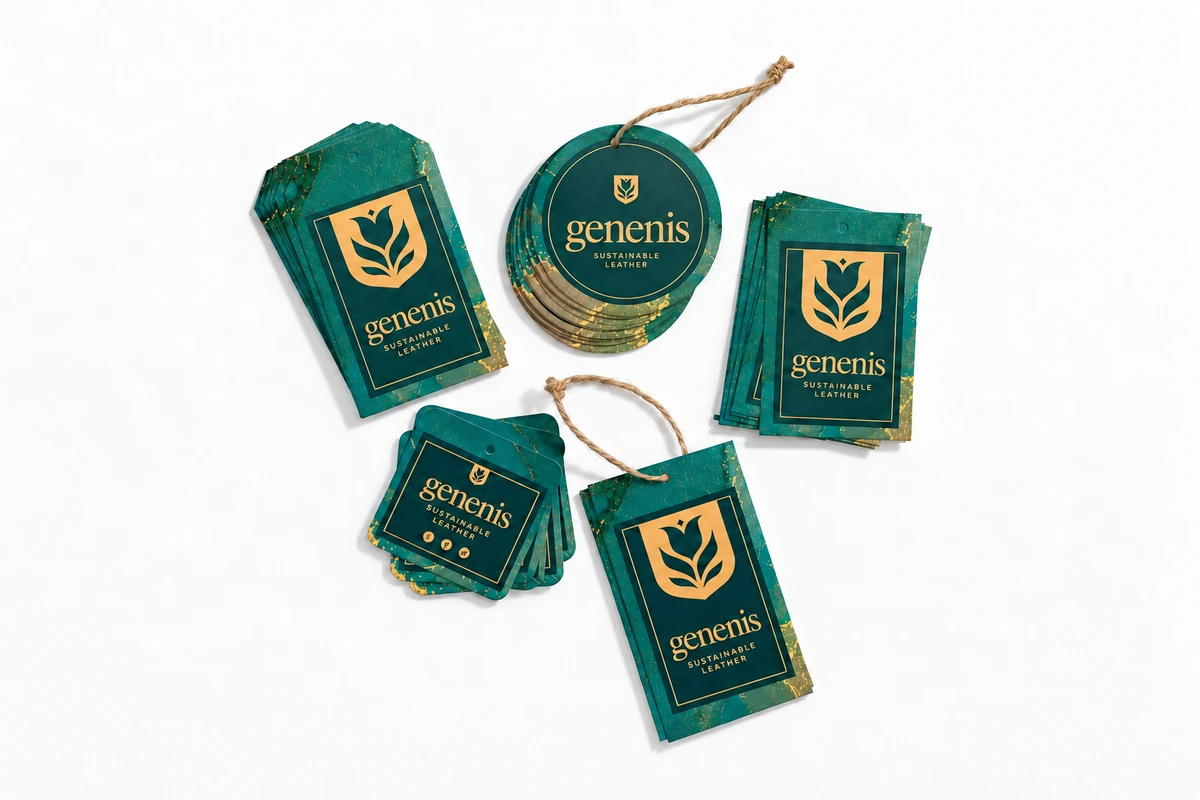
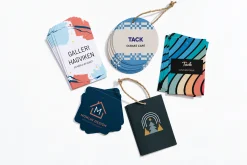
The hang tag shape decides the feel of the whole shop when goods are displayed. The four styles below make up most orders at the workshop.
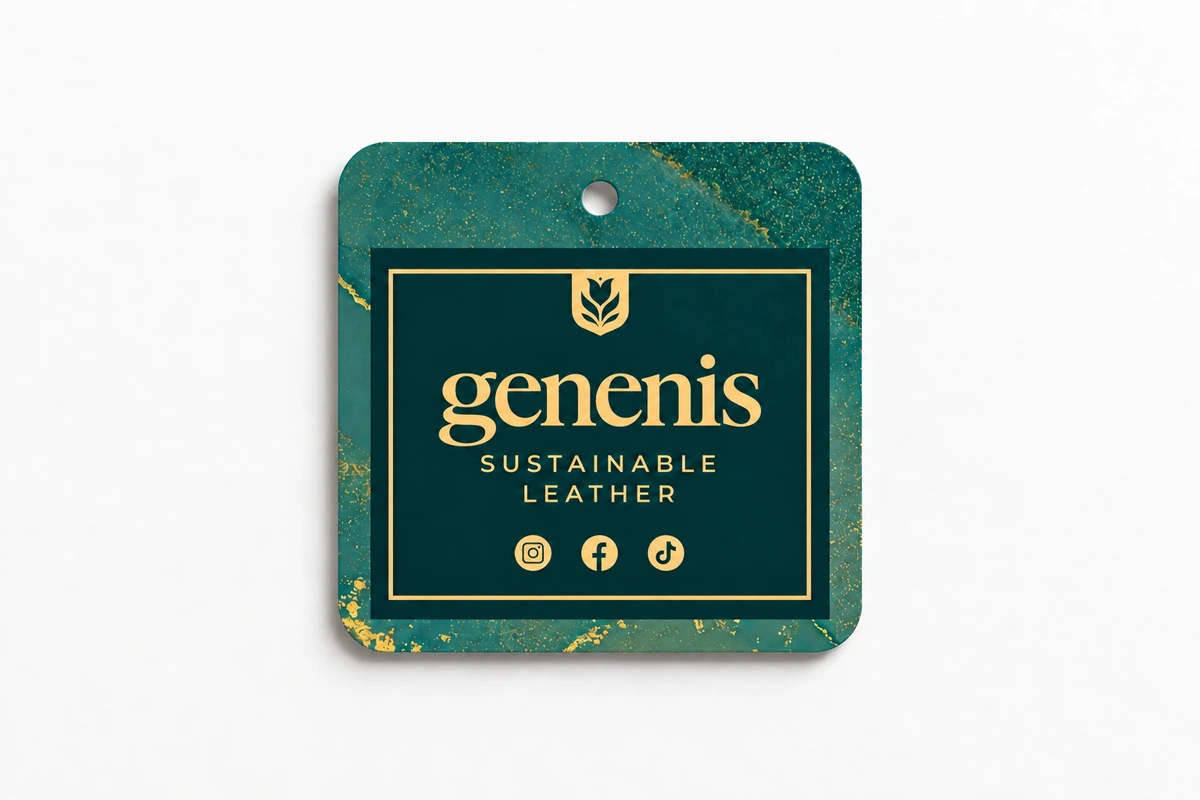
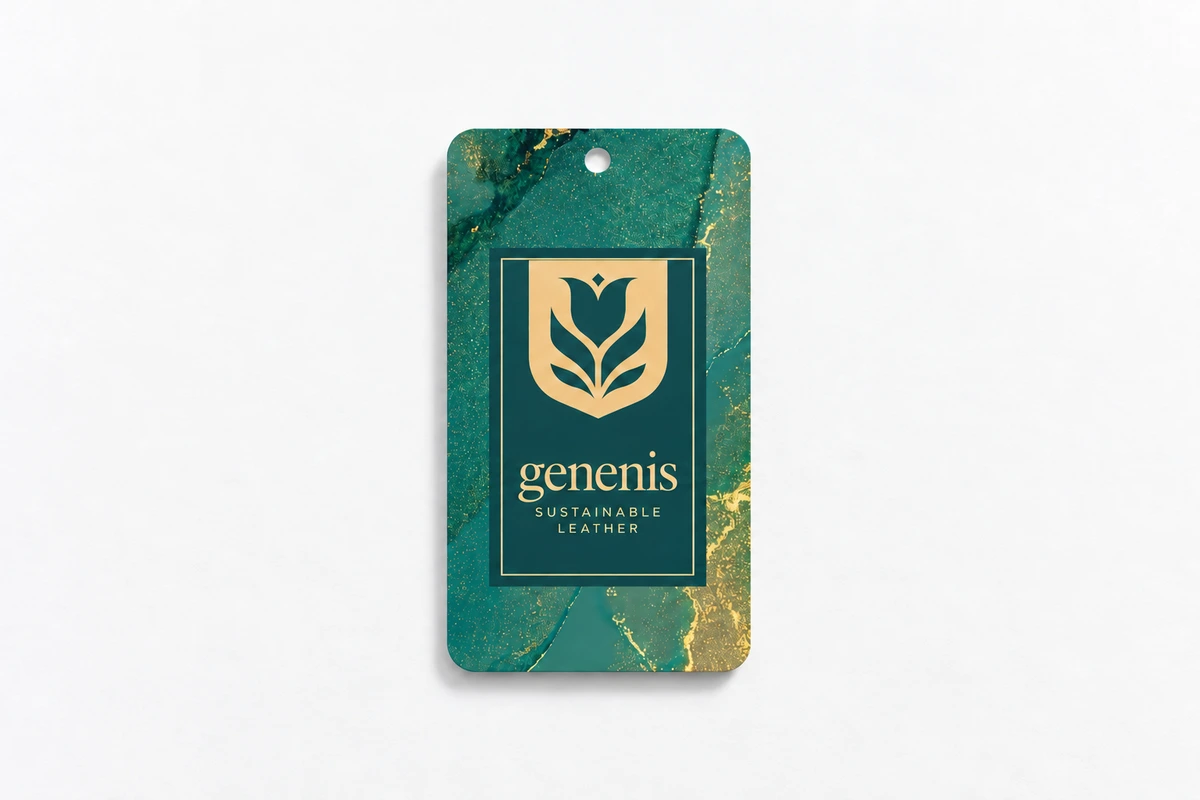
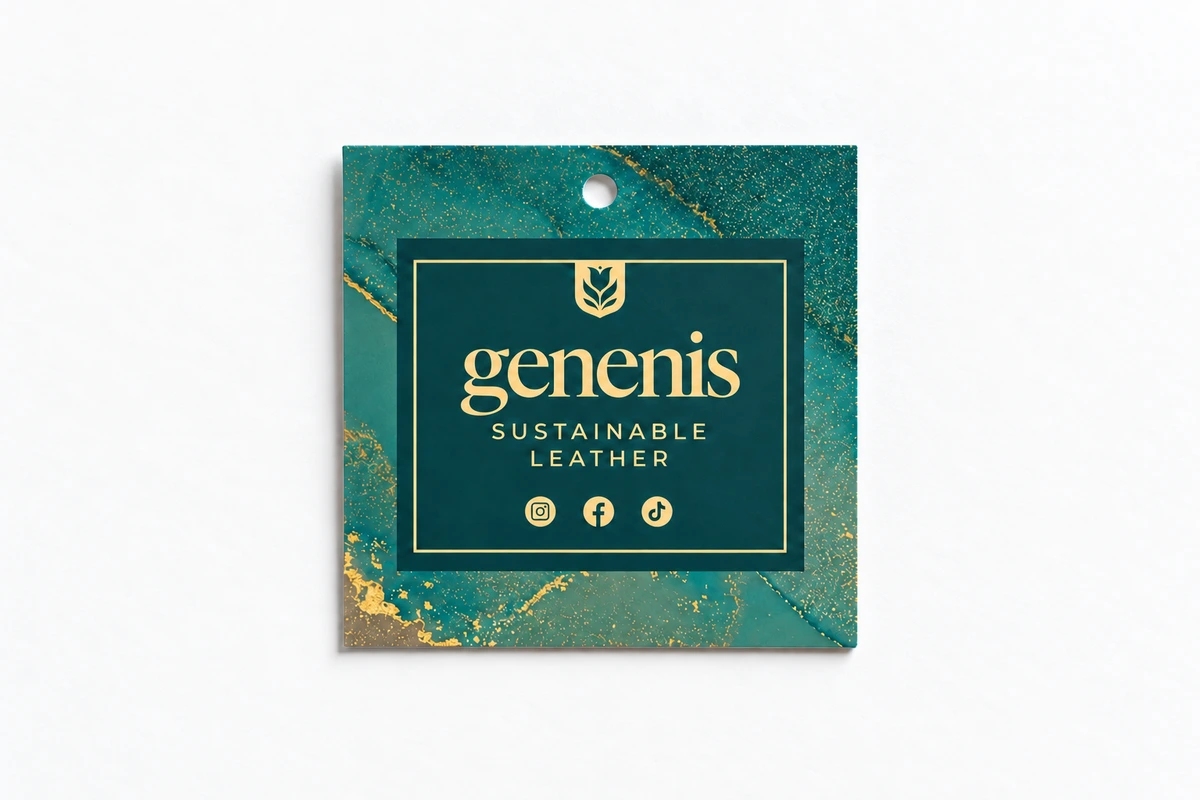
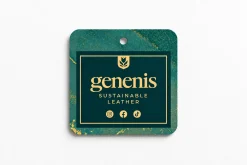
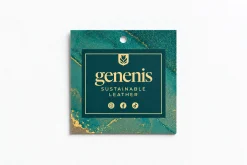
Square with rounded corners — the safest style, suits every product. Rounded corners don't dig into hands or curl after customers flip them a few times.
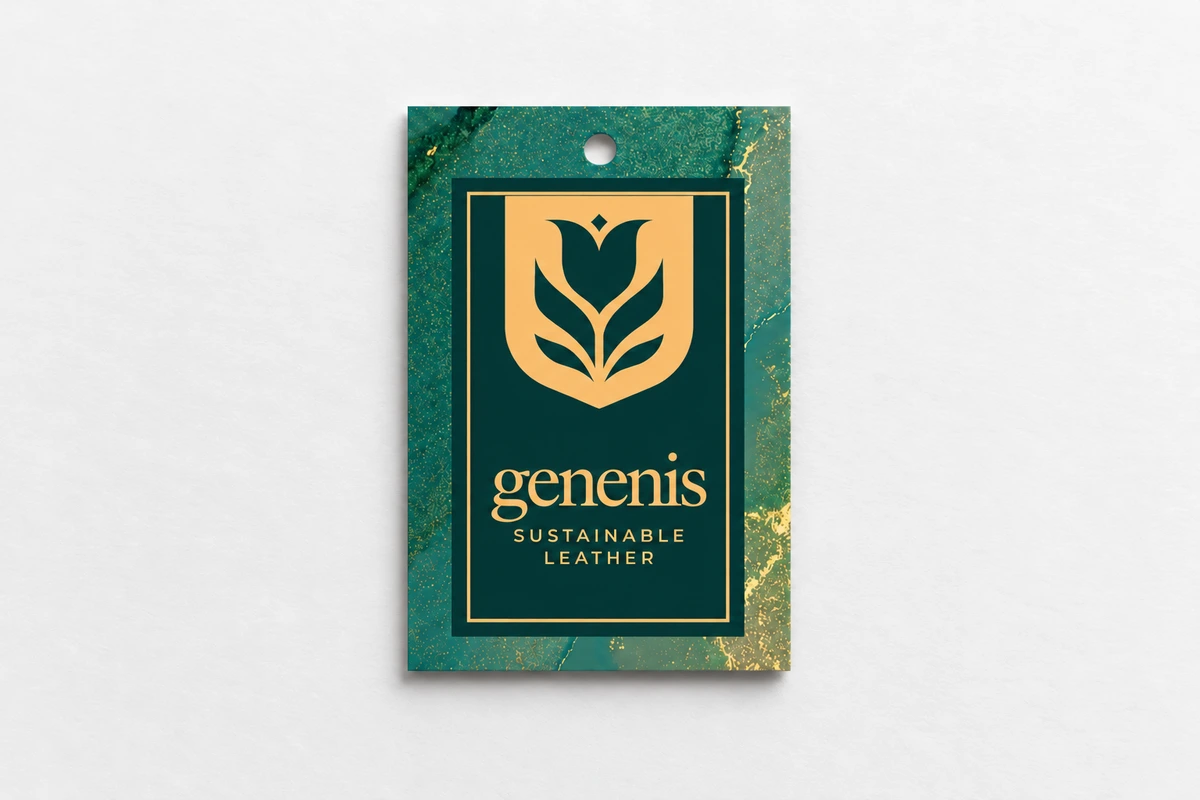
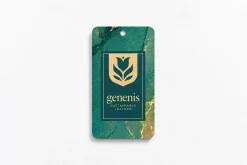
Portrait rectangle — the most room for text, suited when you need both the product name and ingredients or washing instructions.
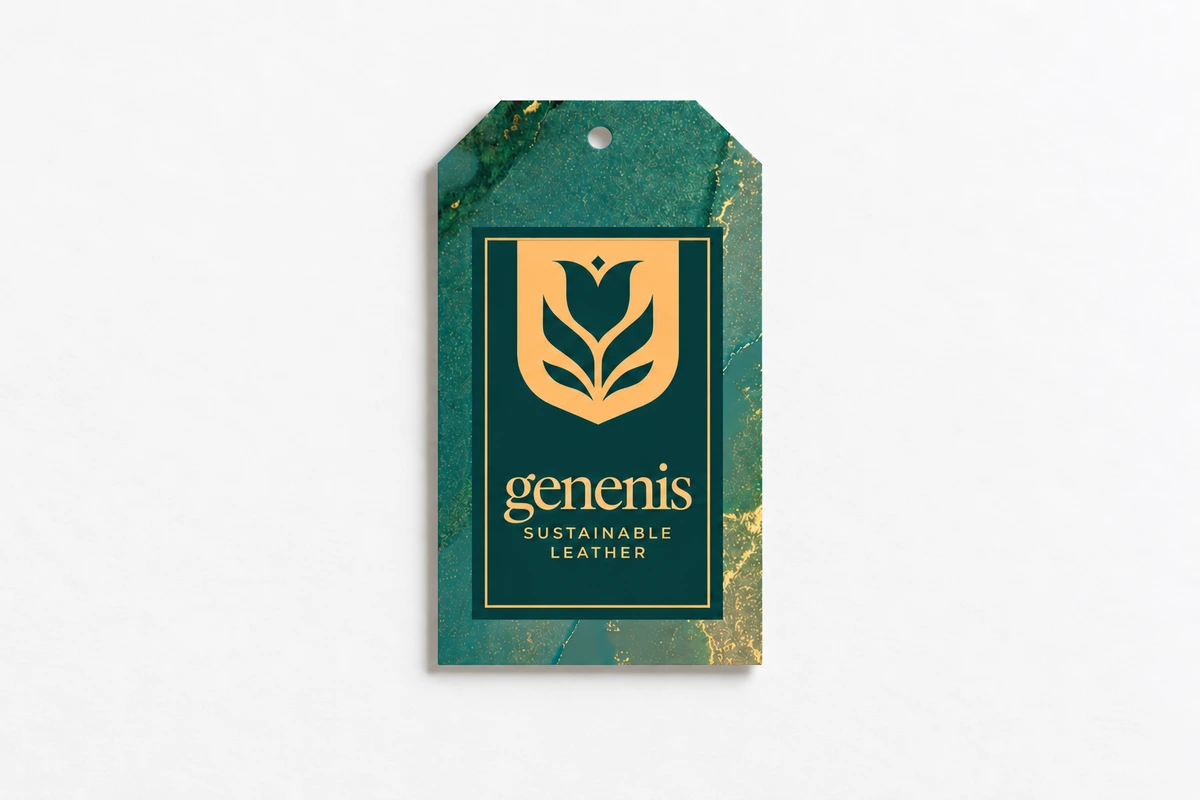
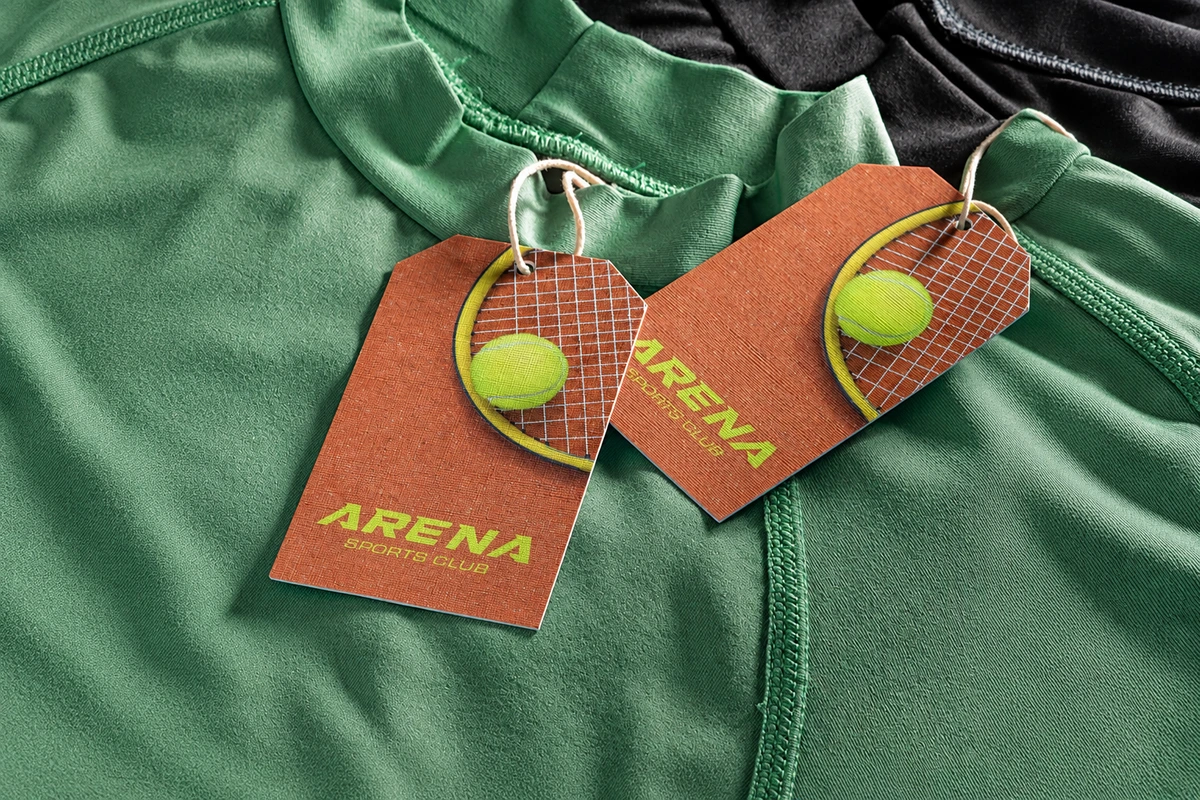
Two clipped top corners — a pennant shape that looks decisive and modern, often seen in fashion shops.
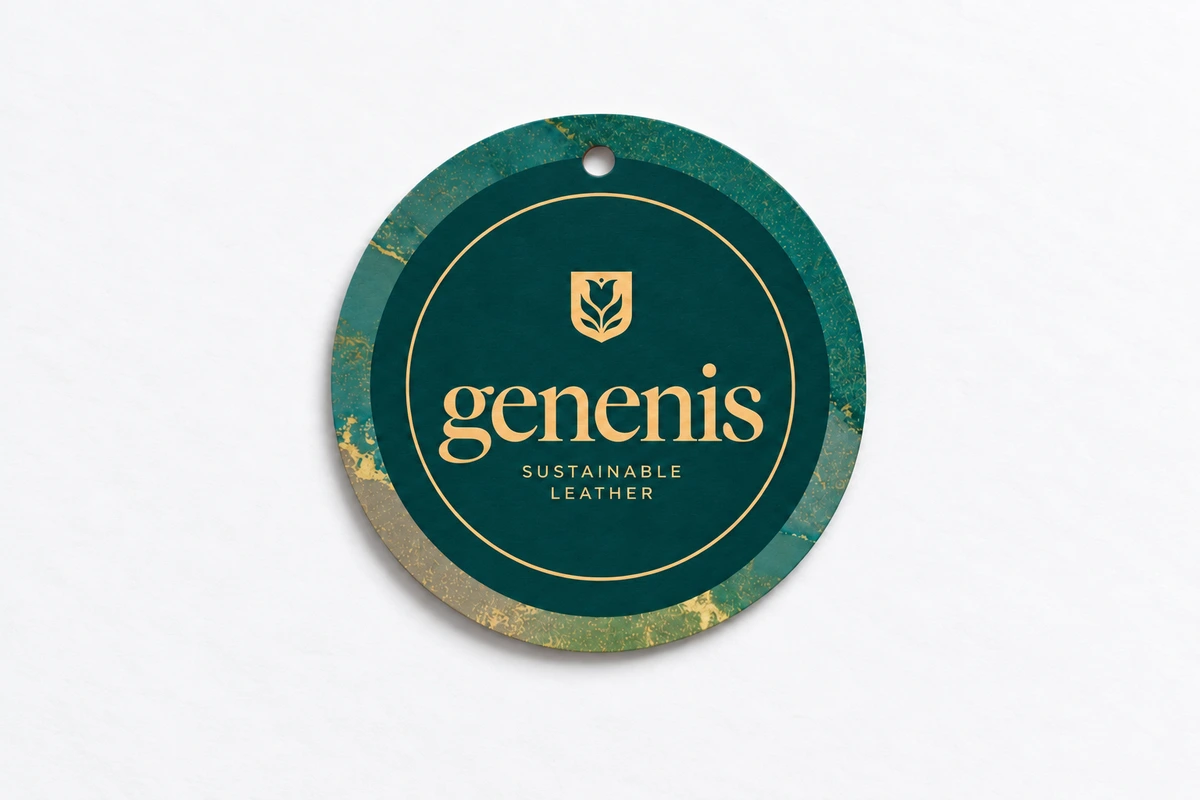
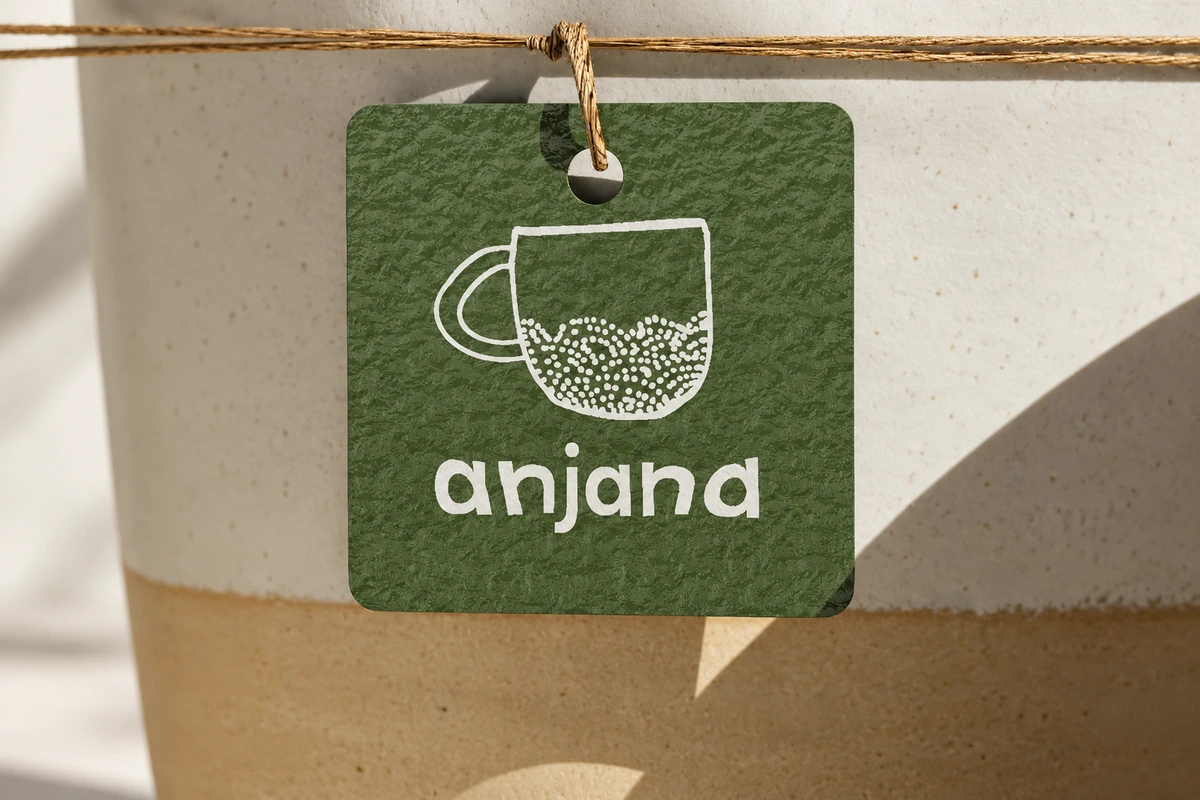
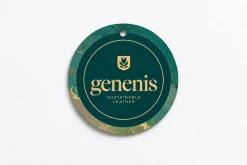
Round — soft and gentle, suited to handmade goods, ceramics, scented candles and artisan soap.
There's also a long rectangle with rounded corners for items needing many lines, and square-cornered shapes for a minimalist style.
Reference sizes
We cut to the size the shop provides, so the figures below are just common sizes to help you picture it, not a fixed list:
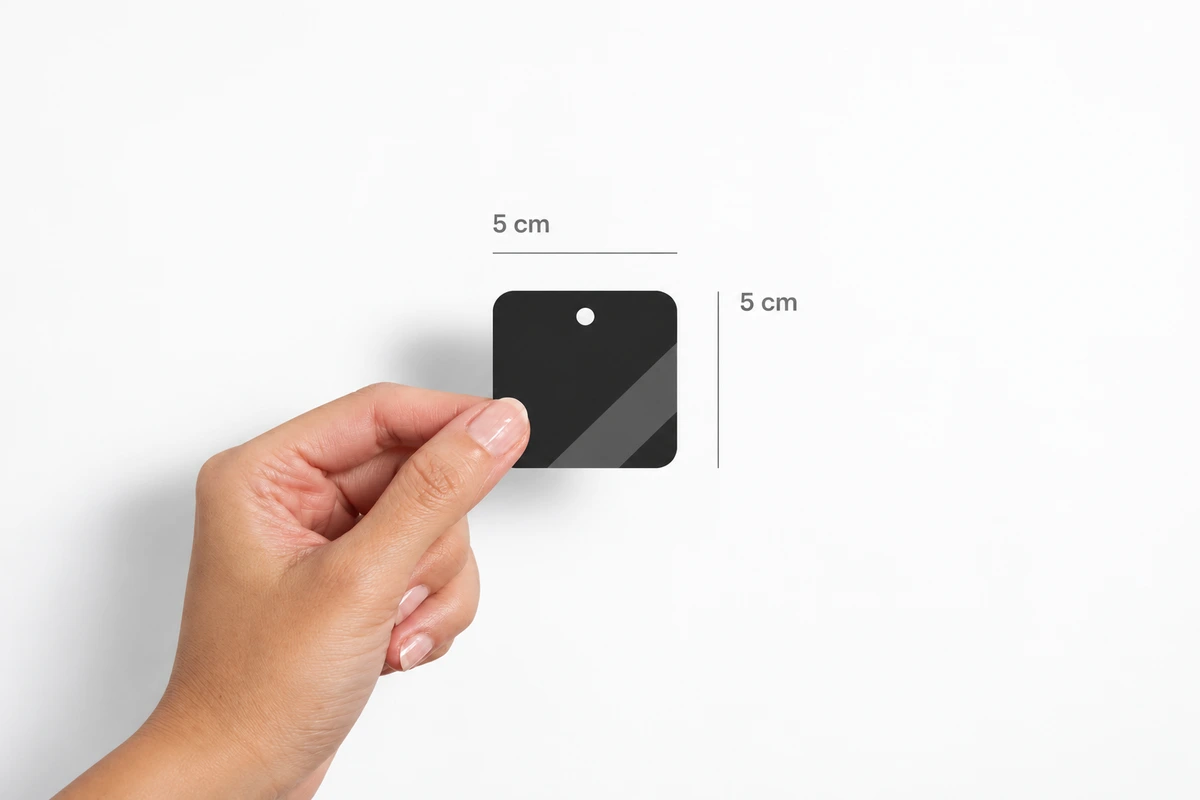
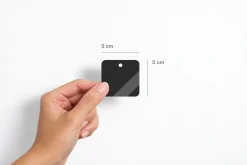
- 5 × 5 cm – small square tags for mugs, candles and soap.
- 5 × 7.5 cm – portrait rectangle, the most popular size for clothing.
- 5 × 9 cm – pennant shape, with room for a large logo and a few lines of information.
- 5 × 9 cm – long tag that can carry an ingredient table or washing instructions.
- 5.4 × 9 cm – the largest size in the standard price table.
- Round, bell-shaped and stick-shaped tags – need a custom cutting die, quoted on request.
Hang tags smaller than 4cm cramp the text and the hanging hole takes up space; larger than 5.4 × 9 cm falls outside the standard price table and is quoted separately. If unsure, just send a photo of the actual product, and we'll suggest a balanced size and print one sample to preview.
Materials and finishing
Card hang tags are the type we make most. The thicker the paper, the sturdier the tag and the more substantial it feels — a detail customers notice right away even if they don't say so.
For surfaces, Couche paper gives vivid, sharp printed colors, suited to product photos and strong brand colors. Textured fine art paper gives a handmade feel, suited to ceramics, handmade goods and natural cosmetics. Matte lamination helps tags withstand lots of handling without fingerprints; glossy lamination deepens colors.
Finishing that usually comes with hang tags: rounded corners so they don't dig into hands, a hanging hole (one hole centered on the top edge is standard), and die-cutting to shape if the shop wants a custom form. These are done right at the workshop, so there's no extra waiting.
Strings and attachment
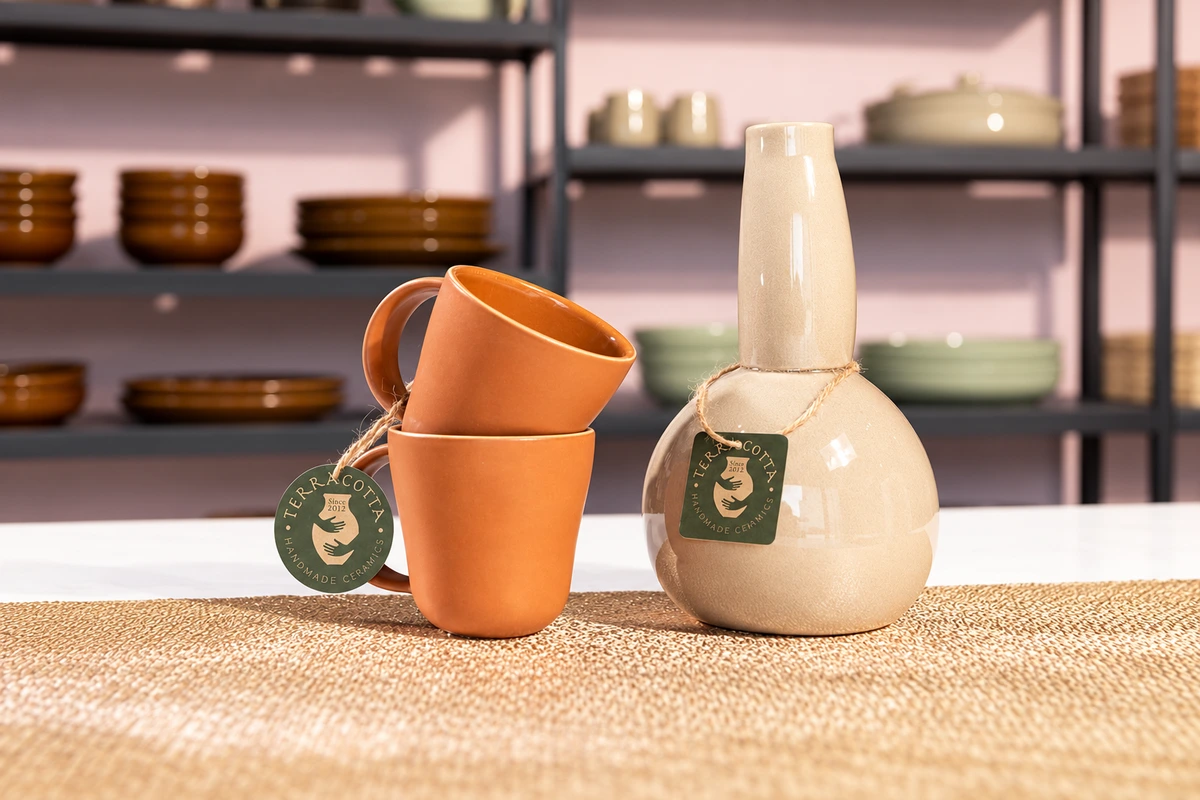
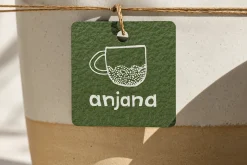
A hang tag's string is small but affects how the product feels more than people think. Natural jute twine gives a rustic look, suited to ceramics, candles and handicrafts. Thin nylon or silk cord looks neat, suited to fashion and cosmetics. Round elastic cord is handy when tags are removed and reattached often.
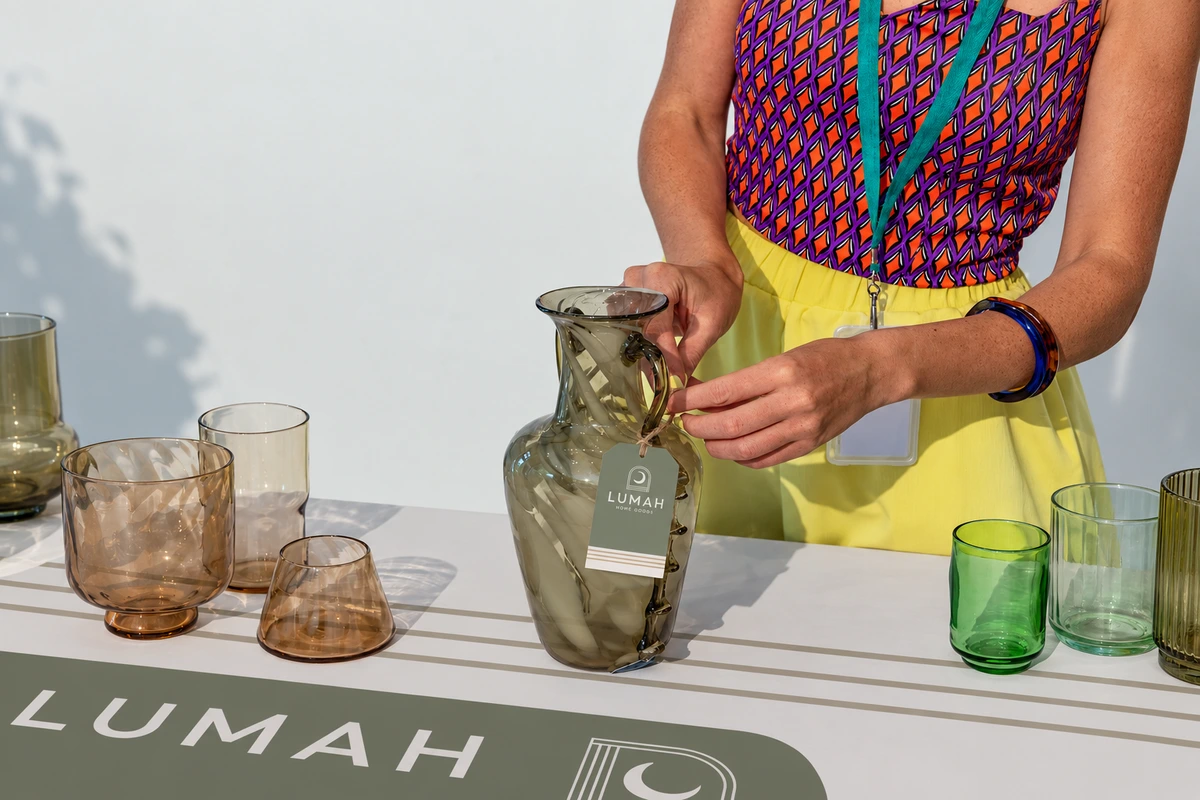
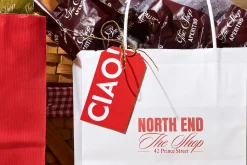
How they're attached varies by item: tied around a bottle neck, threaded through a buttonhole, fastened with a plastic tag pin, or tied to a gift bag handle. Tell us in advance what the tags will hang on so we choose a balanced hole position — a slightly off-center hole makes tags hang crooked, very noticeable across a whole shelf.
Which products they're for
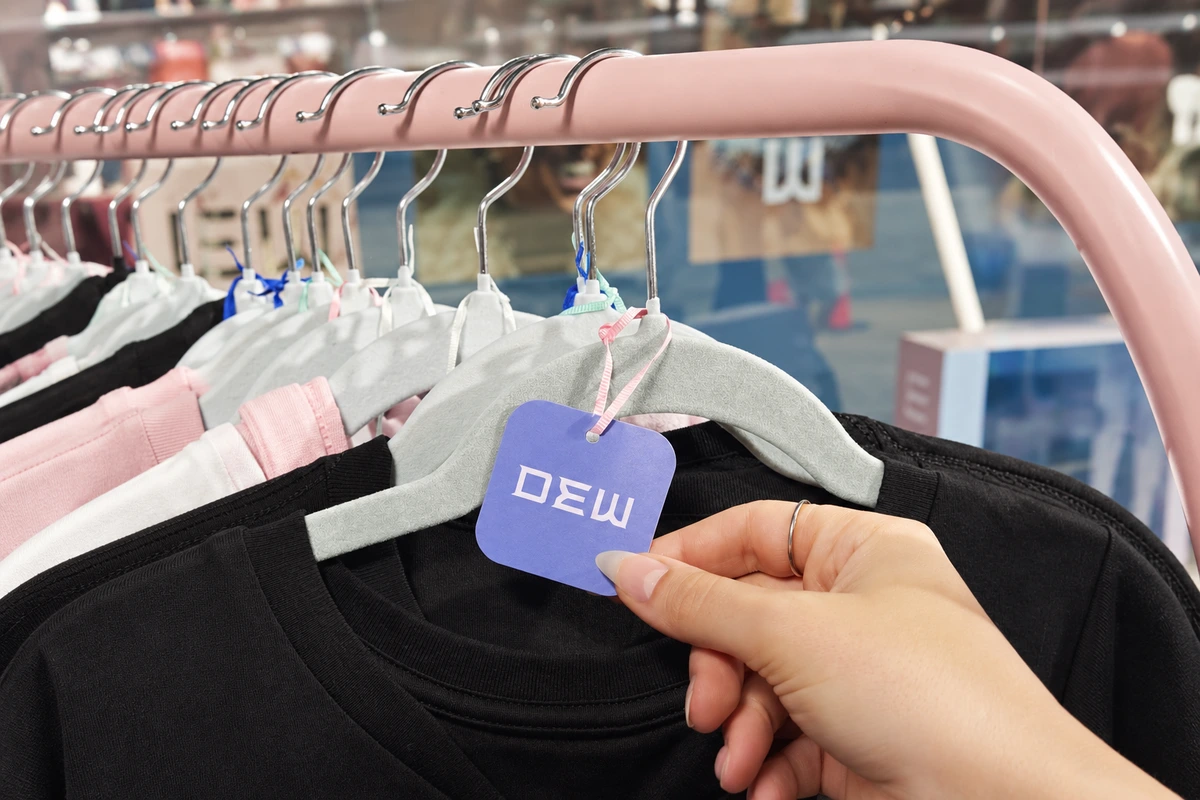
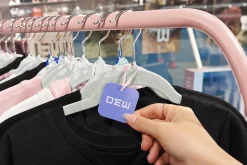
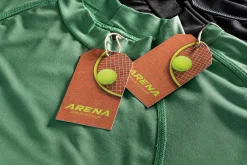
The group ordering hang tags most at our workshop is fashion shops: tags hung on buttonholes, with the logo on the front and price and size on the back. Next comes ceramics, decor and gifts — tags here lean toward telling the product's story rather than displaying the price.
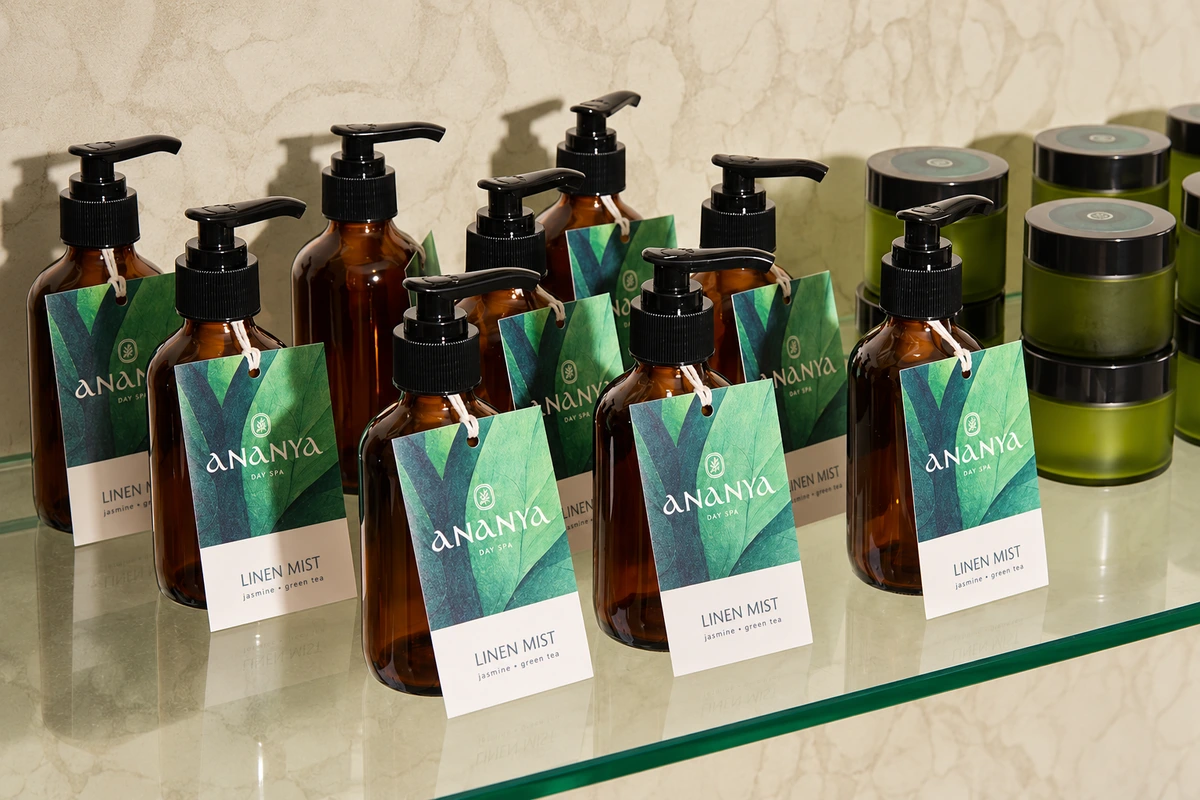
Cosmetics and spas use tags around bottle necks to note uses and expiry dates. Cafés and bakeries hang tags on jam jars, coffee bean bags and boxed cakes. Sports stores usually choose thick textured paper and large tags to fit size charts.
Print items often made with hang tags in one round of shop branding:

Labels & stickers

Vouchers & Gift Cards

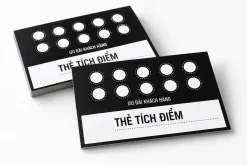
Vouchers & Gift Cards


Paper bags
How hang tags differ from labels
These two are often placed side by side when shops prepare displays, but they serve two different jobs.
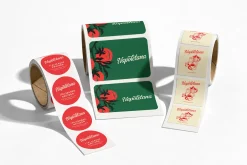
Labels & stickers are stuck permanently on packaging or on the product itself. Removing them damages them or leaves adhesive marks, so they suit unchanging information: ingredients, expiry dates, barcodes, place of manufacture.
Price tags hang on a string and can be removed and reattached freely. So they suit changing information — selling price, promotions, size — and products customers need to pick up and look at before buying.
Many shops use both: a label stuck under the box with fixed information, and a hang tag outside showing the price and item name. During a sale, only the hang tag needs changing, while the label stays.
Another rarely noticed point: hang tags withstand customers flipping them all day on the shelf, while labels stuck on curved surfaces or fabric peel at the edges easily. Soft goods like clothing, scarves and tote bags almost always need hang tags rather than stickers.
Hang tag price table
The price table below applies to the standard specification, ordered by batch and priced for the whole batch:
- Size: up to 5.4 × 9 cm.
- Paper: 300gsm Couche paper.
- Printing: offset, full color on both sides.
- Finishing: matte lamination on both sides and a 3mm hanging hole — included in the price.
- Quantity: from 500 pieces per design.
| Quantity | No rounded corners | Rounded corners | Price per piece |
|---|---|---|---|
| 500 pieces | 190.000đ | 245.000đ | 380đ |
| 1,000 pieces | 260.000đ | 370.000đ | 260đ |
| 2,000 pieces | 460.000đ | 610.000đ | 230đ |
| 5,000 pieces | 1.080.000đ | 1.380.000đ | 216đ |
| 10,000 pieces | 2.030.000đ | 2.640.000đ | 203đ |
The price-per-piece column uses the no-rounded-corner price for easy comparison between tiers. Ordering 500 is 380đ per tag; at 10,000 it drops to 203đ — nearly half. Since die and setup costs are spread over the whole batch, combining orders for the season is always cheaper than printing in small runs.
Rounded corners are optional. Rounded corners don't dig into hands or curl after customers flip them many times, so most fashion orders choose them.
Beyond the specifications above, hang tags can be made in many other styles: round, bell-shaped, stick-shaped, elliptical, tags larger than 5.4 × 9 cm, textured fine art paper, foil stamping, debossing and spot UV. These need custom cutting dies, so we quote each request individually — message us on Zalo with the size and quantity.
Preparing print files
Send files as PDF or AI, CMYK color mode, with text converted to outlines and images at 300dpi. Since tags are small, two points matter more than usual: leave 3mm bleed on each edge, and keep text at least 4mm from the edge so it isn't cut.
Remember to leave space for the hanging hole on hang tags — usually a 4–5mm circle about 5mm from the top edge. Put a logo or text there and the hole punch will cut right through it.
Put the two sides as separate pages in the same file, clearly marked front and back. If the shop doesn't have a file yet, add design service, send your logo and content and we'll lay out both sides.
Five common hang tag sizes
5x9cm hang tags and 5x10cm hang tags are the two long sizes, with room for the item name, price, product code and logo. These are the most familiar sizes in clothing shops.
4x9cm hang tags are slightly narrower, suited to hooking onto buttonholes or bag handles. 5x7cm hang tags are nearly square, used for small items on shelves.
5x5cm hang tags are the smallest square size, usually printed with just the price and code, suited to ceramics, accessories and souvenirs.
Rounded corners, hole punching and strings
Hang tags with 4 rounded corners are the finishing to choose for items handled a lot: rounded corners don't dig into hands, don't curl and look more polished.
Hang tags without rounded corners keep square corners, cheaper and suited to a minimalist style.
Hang tags punched for strings are the default — the hole is at the top edge for threading cotton string, nylon cord or pre-attached plastic loops. Tell us the string type and color when ordering.
Quantity tiers and prices
Five tiers selectable on the page: 500 hang tags, 1000 hang tags, 2000 hang tags, 5000 hang tags and 10000 hang tags.
The small-quantity hang tag tier starts from 500 pieces per design. Below that, setup and cutting costs per tag are too high to be economical for shops.
Hang tag printing prices start from 190.000đ for a batch of 500 standard tags, shown right on the page when you choose the quantity and finishing.
Which industries we print for
Fashion shop hang tags are the main group: each item hangs a tag with size, price and product code, so staff know at a glance without looking it up.
Shoe hang tags are usually attached to laces or straps; handbag hang tags hook onto bag handles, slightly larger to fit material and care instructions.
Cosmetics hang tags and bakery hang tags often add ingredients or expiry dates. In general, shop hang tags are used by any shop displaying goods on shelves.
Printed content and surface finishing
Hang tags with the shop logo are the most popular use — the card shows the price and reminds customers of the shop name every time they pick it up.
Hang tags with barcodes speed up scanning at the counter; leave white margins on both sides of the code and don't print it on a dark background.
Couche paper hang tags give vivid, sharp colors, suited to product photos. Add lamination and the tags become stiffer and scratch-resistant when rubbing against each other in boxes.
Foil-stamped hang tags are a premium option, with metallic text or logos raised on the paper — quoted separately by stamped area.
Naming specifications when ordering
The full name of the standard specification is double-sided C300 paper clothing hang tags: 300gsm Couche paper, offset printed in full color on both sides, up to 5.4 × 9 cm.
Finishing often requested together: matte-laminated, punched product hang tags — matte lamination for a non-glossy, fingerprint-free surface, plus a pre-punched hole at the top edge for the string. Hang tags with four rounded corners for fashion shops are the version with all four corners rounded, comfortable for customers to hold.
For quantity, the most common starting request is 500 product hang tags — which is also the minimum per design.
Pre-printed or leaving space to write
Every shop eventually has to decide: pre-print the information for each design, or print one common design and handwrite what changes. The two approaches differ greatly in cost and speed.
| Approach | Advantages | Drawback | Suitable for |
|---|---|---|---|
| Printed separately for each design, with full information | Looks professional, no handwriting needed | Each design must meet the minimum quantity | Shops with few designs, selling long-term |
| Common design with space for handwriting | One print run for all designs | Handwriting varies between staff | Shops with many designs and fast turnover |
| Common design with thermal-printed labels | Quick changes with consistent text | Requires a small label printer | Shops with existing equipment and constantly changing stock |
| Pre-printed by size group | A middle ground between the approaches above | Still needs sorting when attaching | Clothing shops with many sizes |
Most small and medium fashion shops choose the second approach in their first year, then gradually move to the first once they know which designs sell well. At that point, printing separately for best-sellers is still economical because quantities are large enough.
A small note: if you leave a box for handwriting, make it wide enough for medium-sized digits. A box that's too narrow makes staff cram the writing, customers struggle to read it, and the point of showing the price is lost.
How tags are attached to goods
Attaching tags to goods is repetitive work every time a new batch arrives, so a tidy process saves a lot of time over the year.
- Sort goods into groups before tagging, with a different string type for each group so they're easy to tell apart.
- Use a tagging gun for thick fabrics; for thin wool and knitwear, thread the string through the care label instead of shooting through the fabric.
- Attach in the same position on every item — usually the left underarm or waistband — so customers and staff know where to look.
- Keep small scissors and a box for leftover string right at the tagging table to save trips.
- Spot-check a few items in each batch to see whether the information matches the actual goods, especially when many designs arrive at once.
Goods displayed on the floor should have the printed side facing out, while goods stored in the warehouse face inward for neatness. This arrangement lets customers browse on their own without turning the whole rack upside down.
For clearance or periodic sales, many shops add a small differently colored tag on top of the old one instead of replacing everything. Customers see the color and know the item is discounted, and staff save the effort of removing and reattaching tags.
Layout by product category
Each product category has its own layout habits. Below is how shops in Ho Chi Minh City usually do it, for reference when building your first design.
| Category | Priority information | Common shape | String |
|---|---|---|---|
| Women's fashion | Size, material, washing instructions | Rounded rectangle | Thin nylon cord |
| Men's fashion | Size, product code | Square-cornered rectangle | Ribbed plastic cord |
| Children's goods | Age range, material, safety warnings | Fully rounded | Soft cotton string |
| Accessories, jewelry | Product code, material | Small square or round | Elastic cord or fishing line |
| Handmade goods | The product's story, the maker's name | Portrait rectangle | Coarse jute twine |
| Footwear | Size, color code | Landscape rectangle | Ribbed plastic cord |
Children's goods need the most attention: avoid sharp corners and stiff strings. Rounding all four corners and using soft string is the simplest way to avoid risks when children play with them.
Handmade and artisan goods often use the back to tell a few lines about how they're made. This is one of the rare places where more text helps, since customers buying these care about origins.
Shops selling both online and in store should add a QR code linking to the product page. Customers holding an item at the counter can still see outfit photos and online reviews, increasing the chance of closing the sale on the spot.
Ordering a matching identity set
Many shops order together with other print items in the same brand identity. This keeps colors consistent across items and saves machine setup.
For labels on boxes and products, see Labels & Stickers; for shopping bags customers carry home, there's Paper Bags; for customer retention programs, add Vouchers | Gift Cards and Loyalty Cards.
All sales print items for shops are in the category Restaurants & Shops. Combining several designs in one order is usually cheaper than splitting into many small orders.
Frequently asked questions
What is the minimum number of tags? From 500 pieces per design. Below that, die and setup costs per tag are too high to be economical for shops.
Do they come with strings? Yes, we attach strings as requested. Tell us the string type and color when ordering.
Can you make custom shapes? Yes, a new cutting die is needed. The die is a one-time charge; later print runs reuse it at no extra cost.
Can tags be printed with QR codes and barcodes? Yes. QR codes should be at least 2×2cm so phones scan them quickly; barcodes need white margins on both sides.
How long does it take? Standard-specification orders take 3 to 4 working days. Custom shapes need a new cutting die, adding 1 to 2 days.
Get a hang tag quote at In Quảng Cáo Q7
Choose the quantity and rounded corner option right on this page to see the price, or message Zalo 0866.511.099 if you need a custom shape. We reply within 30 minutes during office hours.
Address to see samples in person: 49 Mai Van Vinh, Tan Hung Ward, Ho Chi Minh City. View directions to the workshop on Google Maps.
Consultation and orders: 8:00–12:00 and 13:00–20:00 Monday – Saturday, Sunday 14:00–19:00. Production and delivery: 8:00–12:00 and 13:00–18:00 Monday – Saturday, closed Sunday.
Some images on this page are illustrations.
Hang tags and clothing tags — detailed articles
| Quantity | 500 pieces, 1,000 pieces, 2,000 pieces, 5,000 pieces, 10,000 pieces |
|---|---|
| Finishing | No rounded corners, 4 rounded corners |
| Made at | In Quảng Cáo Q7 workshop – 49 Mai Van Vinh, Tan Hung Ward, Ho Chi Minh City |
| Origin | Vietnam |
| Status | Made to order |
| Warranty | 24 hours from receipt: if you find a printing error or a difference from the approved file, let us know and we will reprint free of charge. |
| Price excl. VAT | 190.000 ₫ – 2.640.000 ₫ |
| Price incl. 8% VAT | 205.200 ₫ – 2.851.200 ₫ |
Ordering
Three ways to order: choose the specifications and quantity on the website and click Place order; message us on Zalo or call 0866.511.099; or visit the workshop to see material samples at 49 Mai Van Vinh, Tan Hung Ward, Ho Chi Minh City. During working hours, In Quảng Cáo Q7 replies within about 30 minutes. Most products have listed prices by size, material and quantity – prices exclude 8% VAT.
→ Online ordering guide · Quick quote
Sending design files
PDF or AI preferred, CMYK color mode, 300dpi for small formats, 3mm bleed. Send via Zalo, email inquangcaoq7@gmail.com, the form on our website, or a Google Drive link for large files. We check your file for free before printing; if you have no file yet, In Quảng Cáo Q7 can help with the design.
→ Design file submission guide
Payment
Bank transfer, QR code or cash at the workshop. Orders are confirmed and scheduled for production after payment; after transferring, send a photo of the receipt with your phone number via Zalo. Transfer note: Your name – Phone number – Product.
→ Payment guide
Timing & delivery
Completion time is shown on each product, counted from receipt of a print-ready file and payment confirmation. Pick up at the workshop Monday – Saturday, 8:00–12:00 and 13:00–18:00; urgent orders within Ho Chi Minh City delivered within 2 hours; other provinces via bus courier or express delivery. On receipt, please check quantity, size, material and condition of the products.
Order tracking
Enter the phone number used when ordering to see your orders from the last 90 days and their status: Unpaid → Printing → Printed → Delivering → Invoiced → Completed. For orders placed via Zalo, send your name and phone number to get progress updates.
→ Order tracking
E-invoice (VAT)
In Quảng Cáo Q7 issues 8% VAT e-invoices. Provide the company name, tax code, address and email within 24 hours of ordering; the invoice is issued within 24 working hours and sent by email, and cannot be changed once issued.
→ E-invoice (VAT) details
Misprints – reprints
Products that differ from the order or the approved proof are reprinted free of charge – report within 24 hours with photos. Spelling mistakes in a file you approved are not covered by free reprints.
→ Frequently asked questions (FAQs)
Reviews
There are no reviews yet.