




































































Decal: the decal types we stock and which to choose for each job
Sep
Advertising Decal: Decal Types, Applications and Ordering Tips
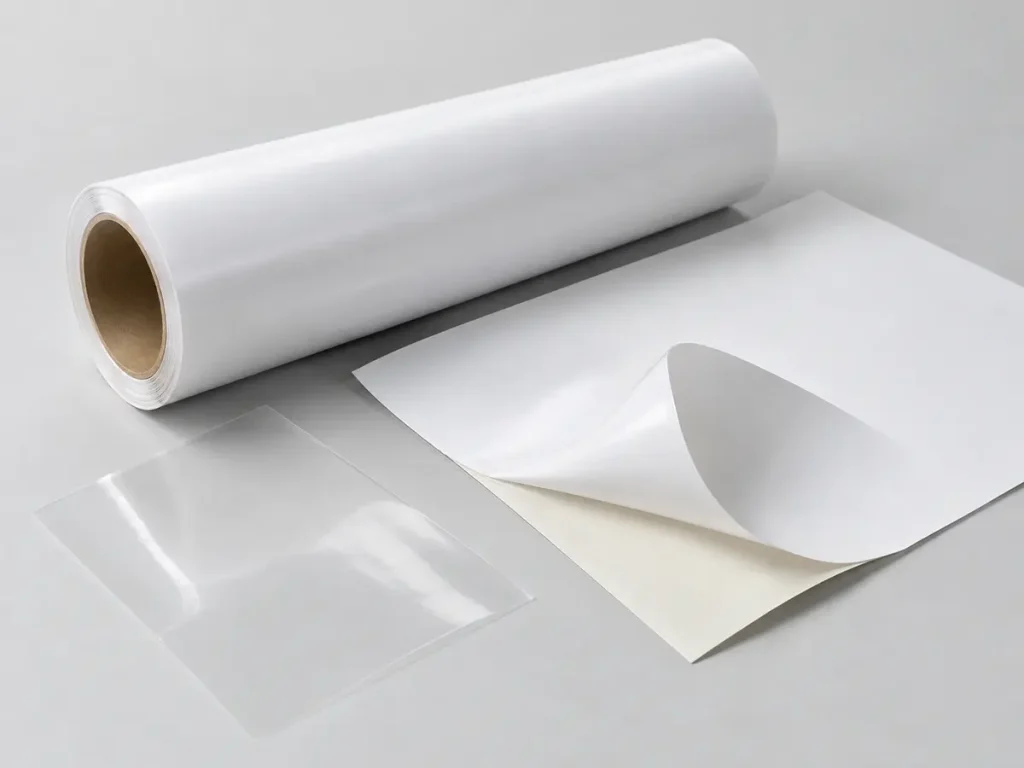
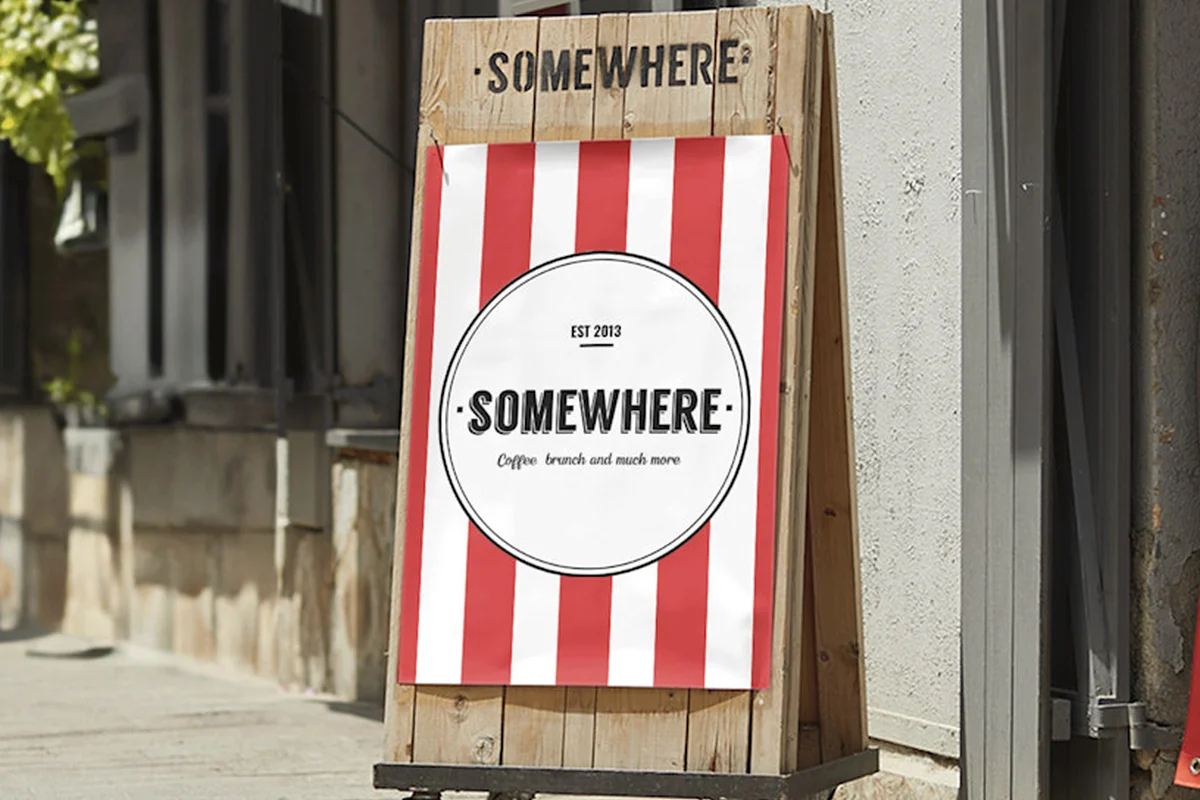
Advertising decal is a material with a ready-applied adhesive layer on the back; peel off the liner and it can be stuck on glass, walls, vehicles, cabinets or packaging. With the same print, choosing the right decal means it lasts a few years in sun and rain; choosing the wrong one means the edges peel after a few weeks. This article sums up the 8 decal types we stock, common advertising decal applications and tips on surfaces and print files. Some illustrative photos are used in this article.
What a decal is and what layers it has
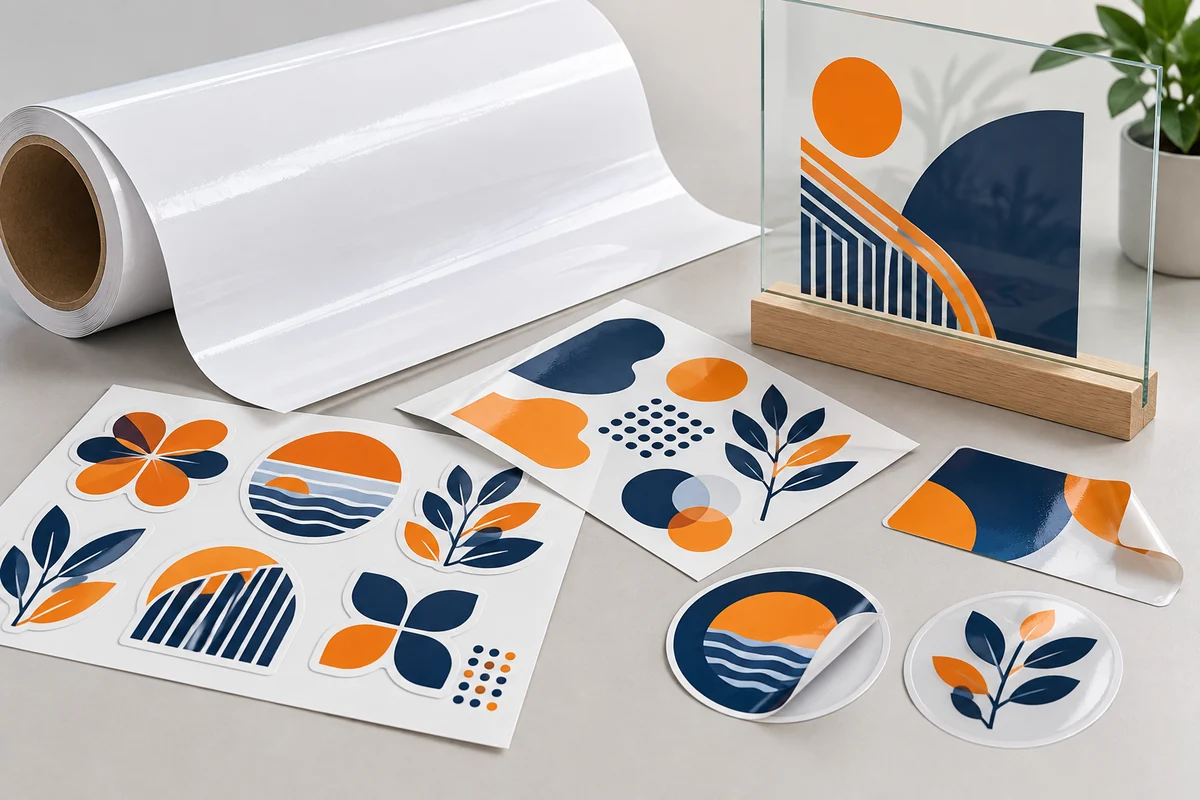
What decides decal quality is not the print layer but the adhesive and the face layer: indoors or outdoors, temporary for a few weeks or long-term for a few years, on glass or on a wall — each case needs a different decal. A decal sheet has three layers:
- Base layer — paper, or white, milky or clear PVC plastic. The printing ink or cut colour sits on this layer.
- Adhesive layer — decides whether the decal sticks firmly or peels off, and how well it withstands heat and water.
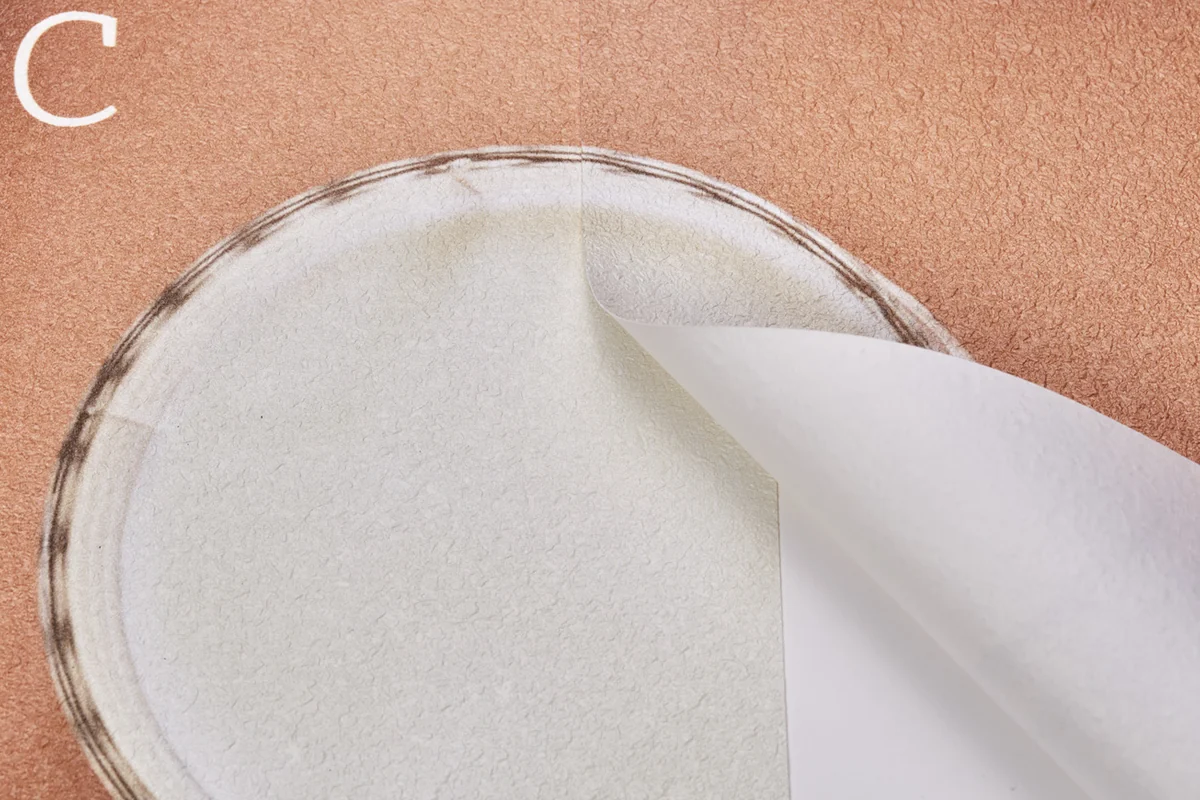
- Liner — silicone-coated paper protecting the adhesive, removed when applying.
Advertising decal types we stock
- Paper decal — paper face, the most affordable, used indoors: product labels, seal stickers, box labels.
- Plastic (PVC) decal — water and sun resistant, used outdoors: vehicle wraps, signboards, exterior walls.
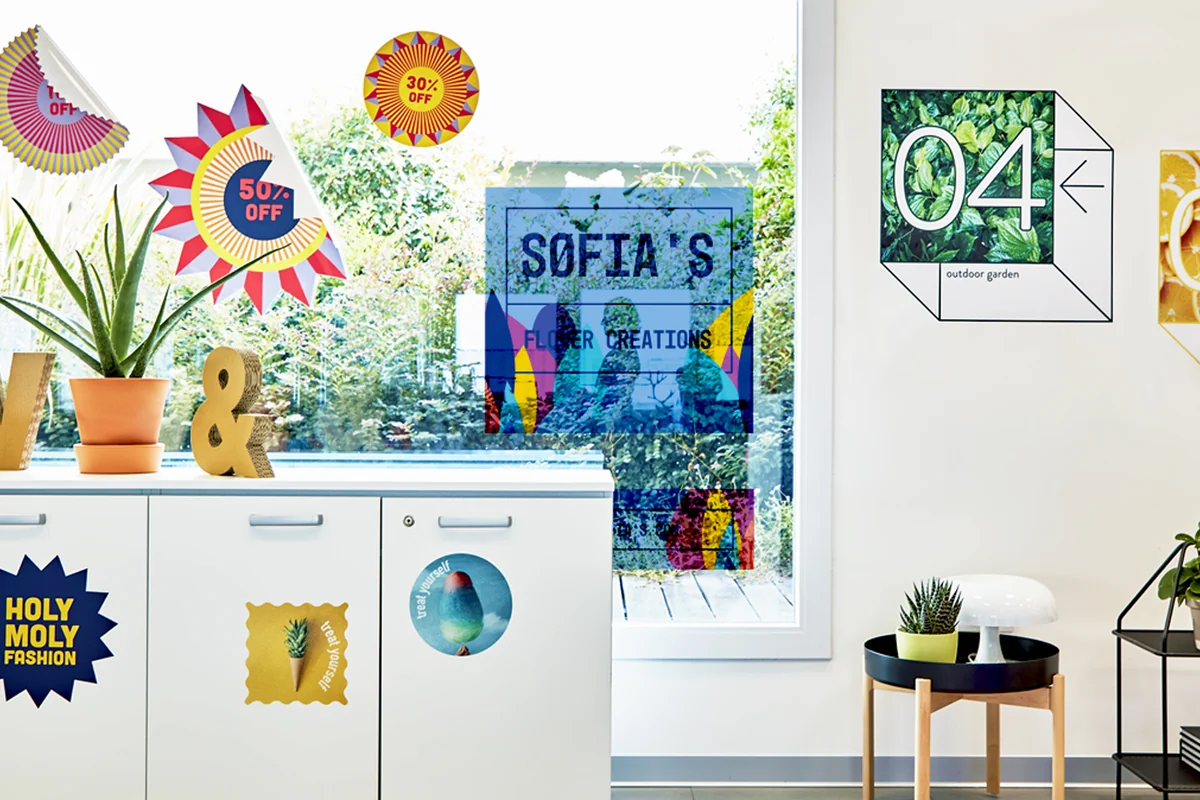
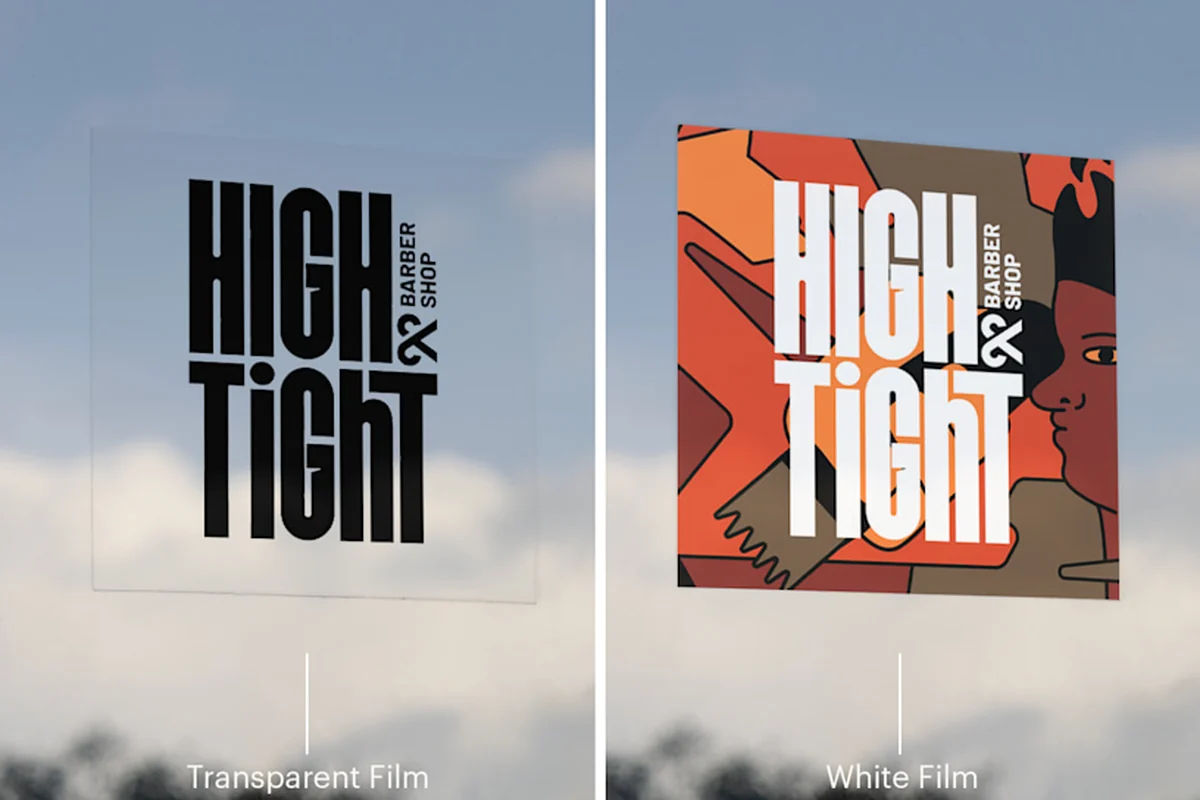
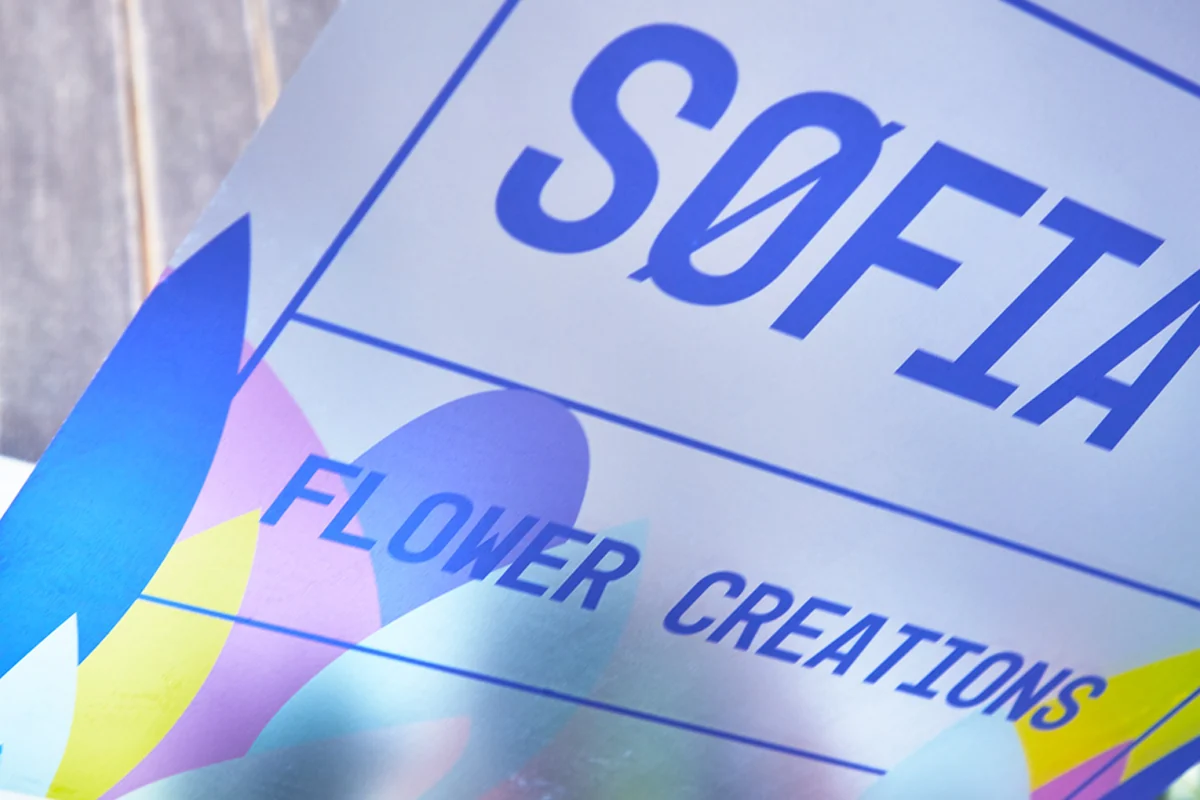
- Milky decal — opaque white face that hides the background behind; on glass the image is still clear.
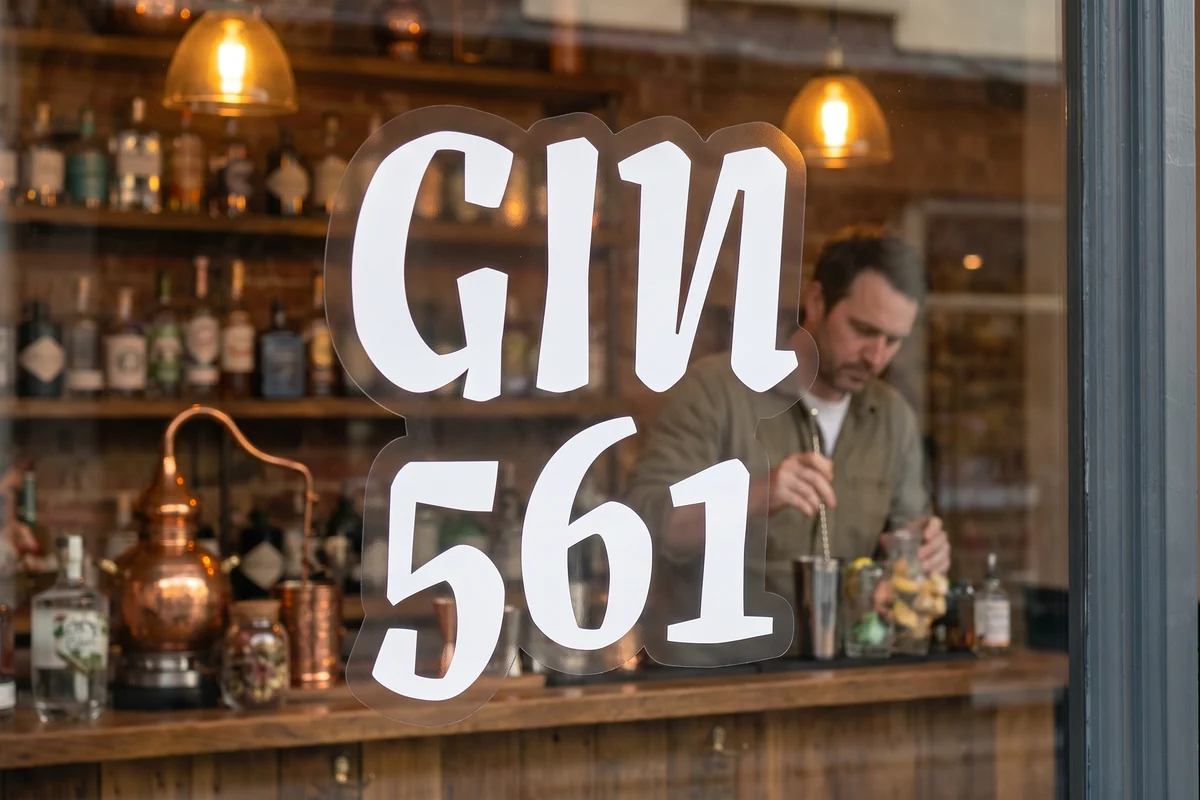
- Clear decal — clear face, only the inked parts are visible, suited to glass doors and plastic cups.
- Mesh decal — with tiny perforations, for car windows and facades: the image is visible from outside, while you can still see out from inside.
- Black-back decal — a black light-blocking liner, so when stuck on coloured backgrounds the image is not tinted by the background.
- Reverse-printed decal — printed on the back, stuck on the inside of the glass, reading the right way from outside.
- Solvent-adhesive plastic decal — strong adhesive, long-lasting, leaves little residue when peeled.
The most visible difference is between white (milky) decal and clear decal: with the same design, the white version completely covers the background, while the clear version lets the scenery show through where there is no ink.
Advertising decals for shop windows
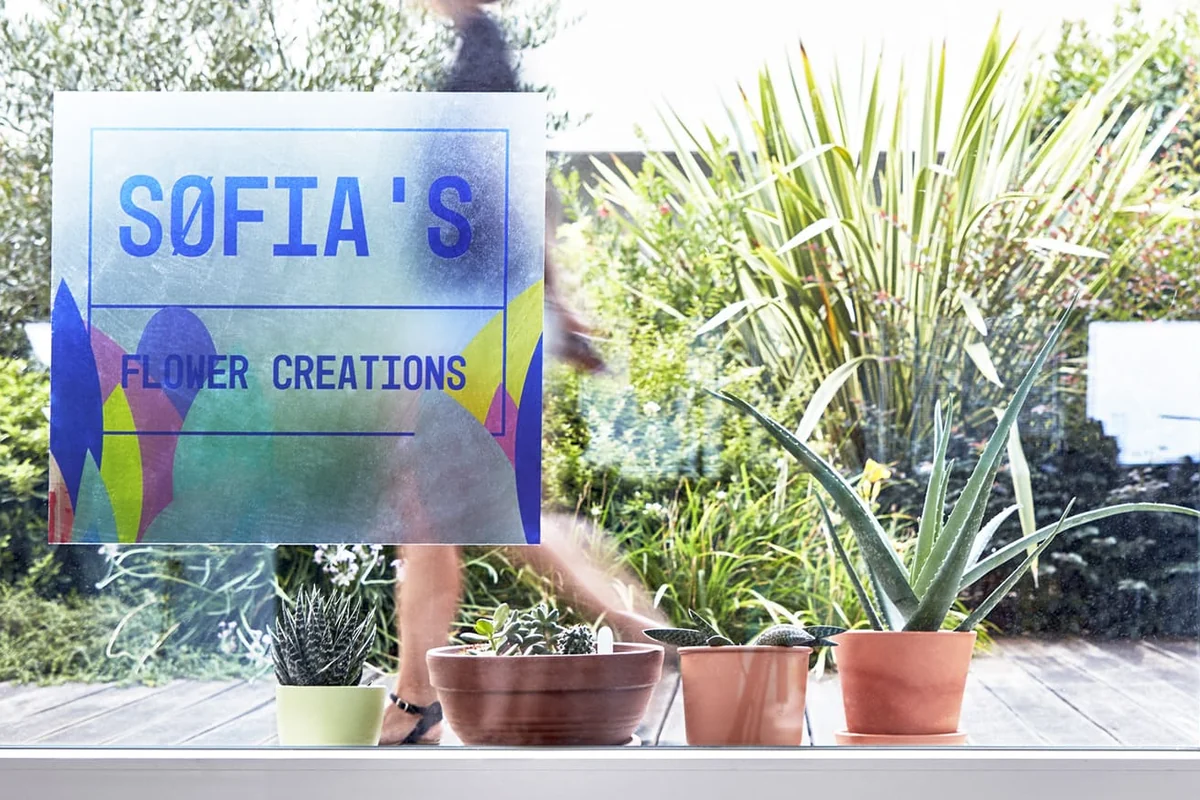
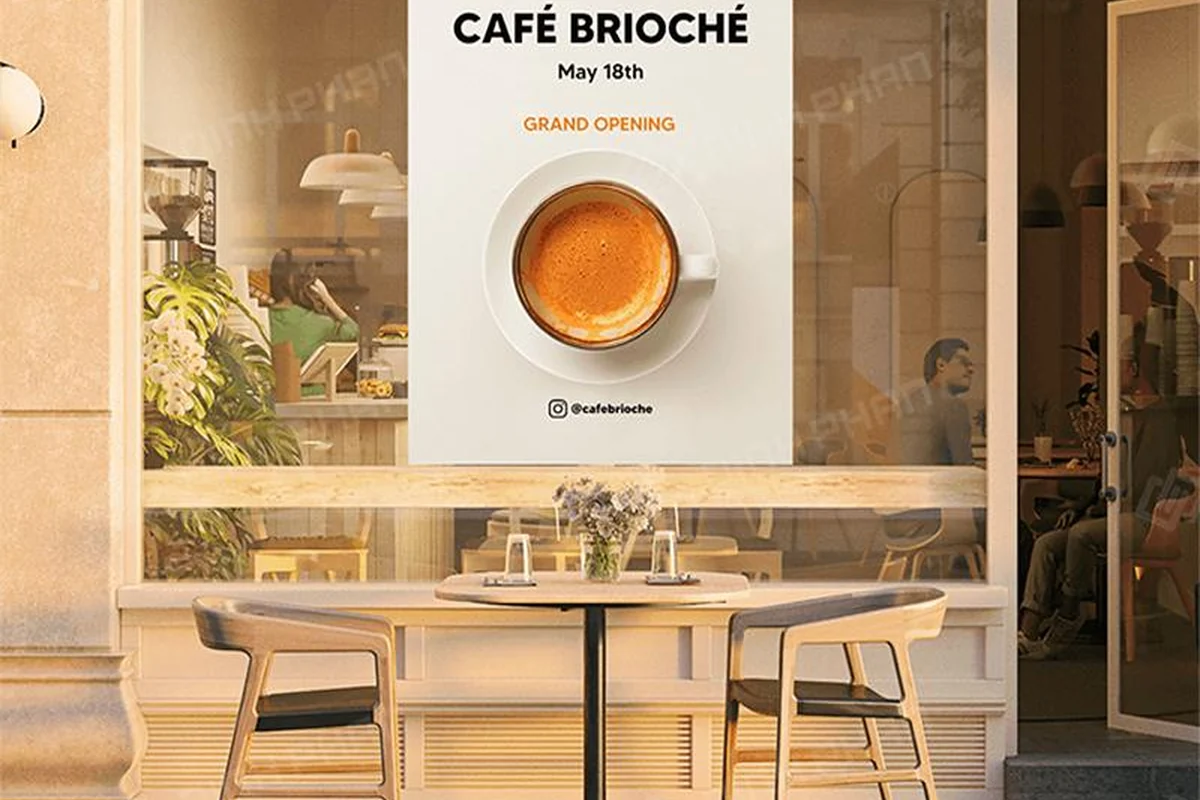
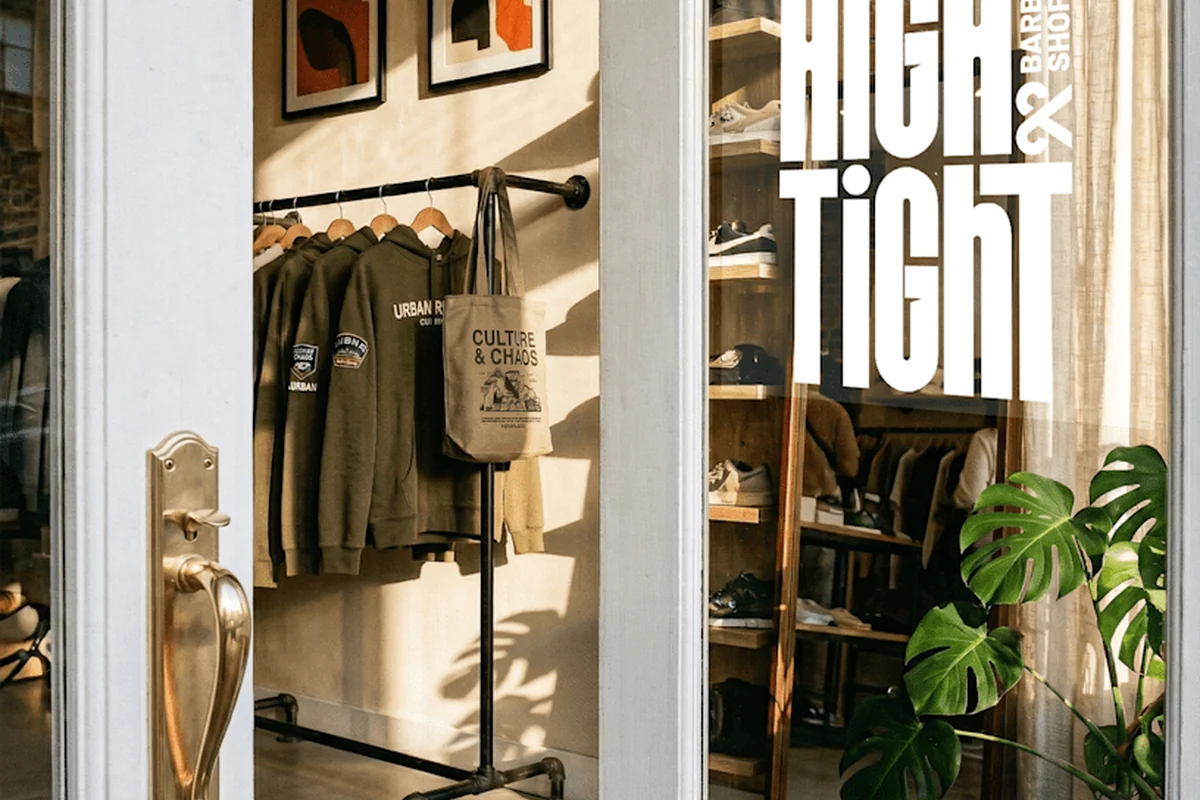
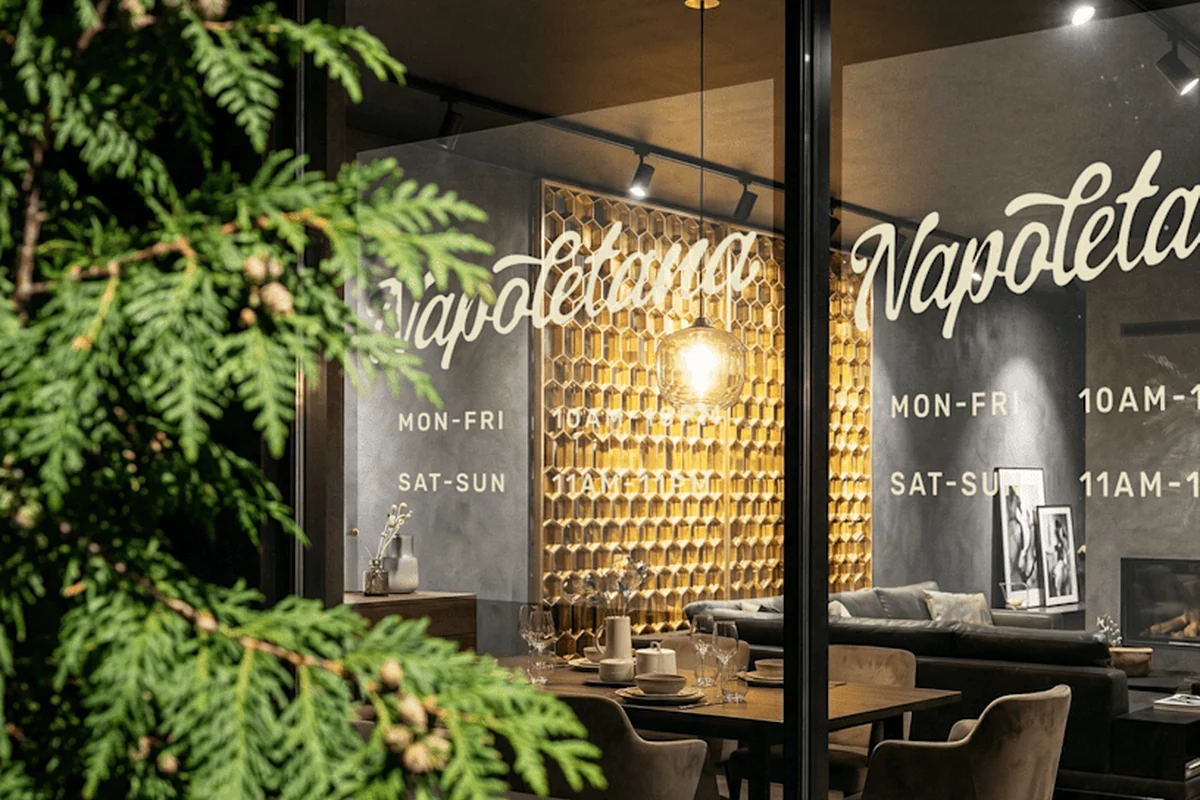
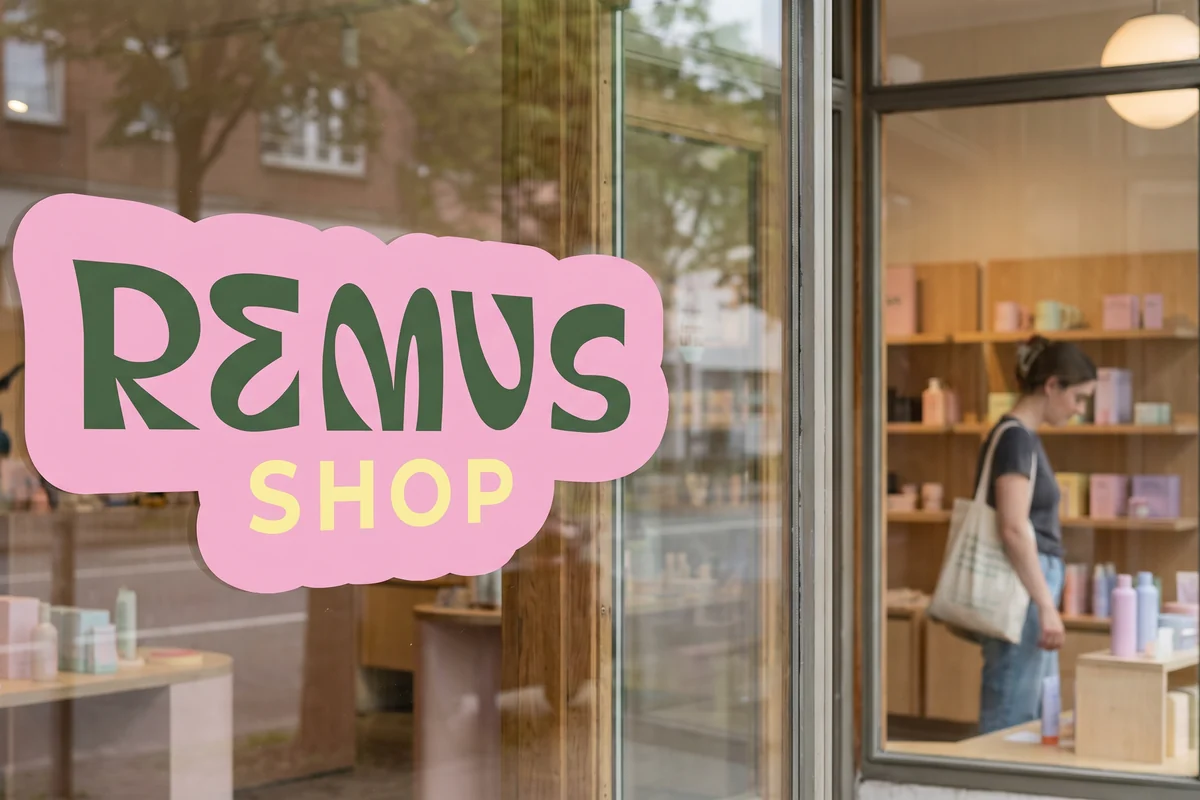
Glass is the location where advertising decals are ordered most: cafés, fashion shops, clinics, offices. Depending on the purpose, choose full-coverage printed images or cut letters and separate logos.
Posters and printed images on glass
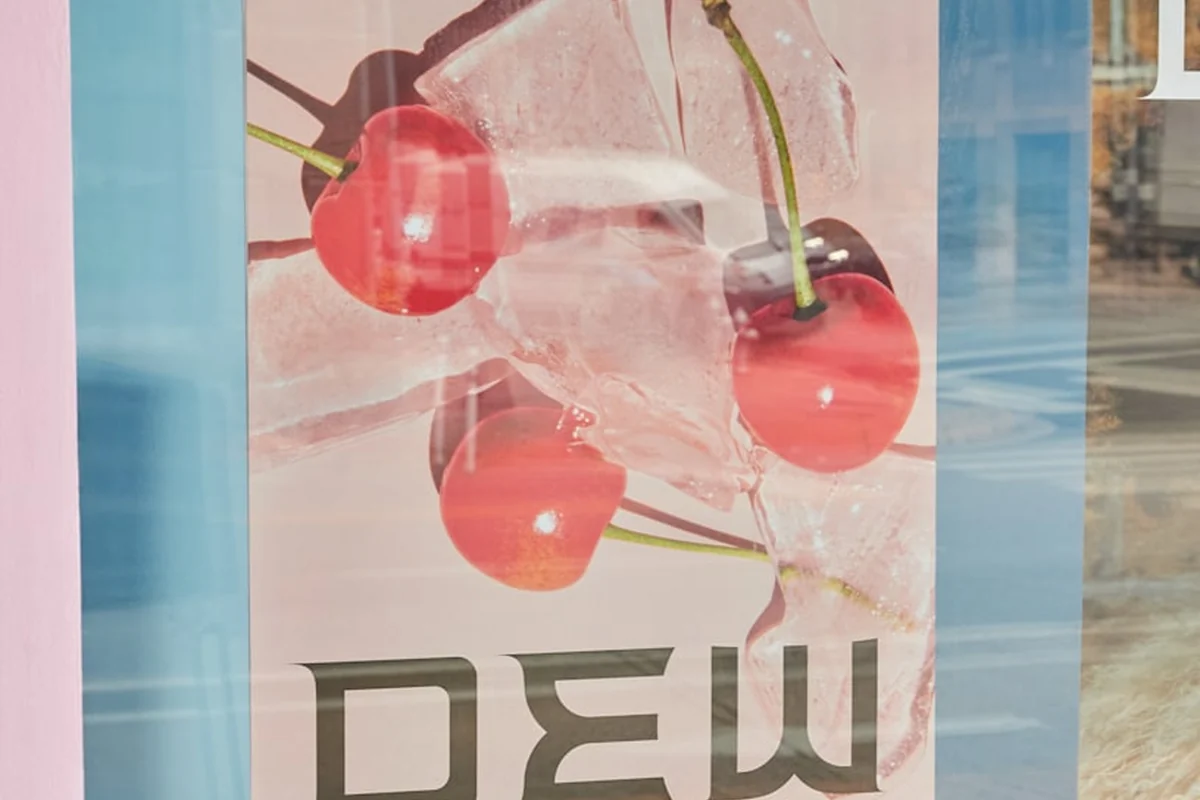
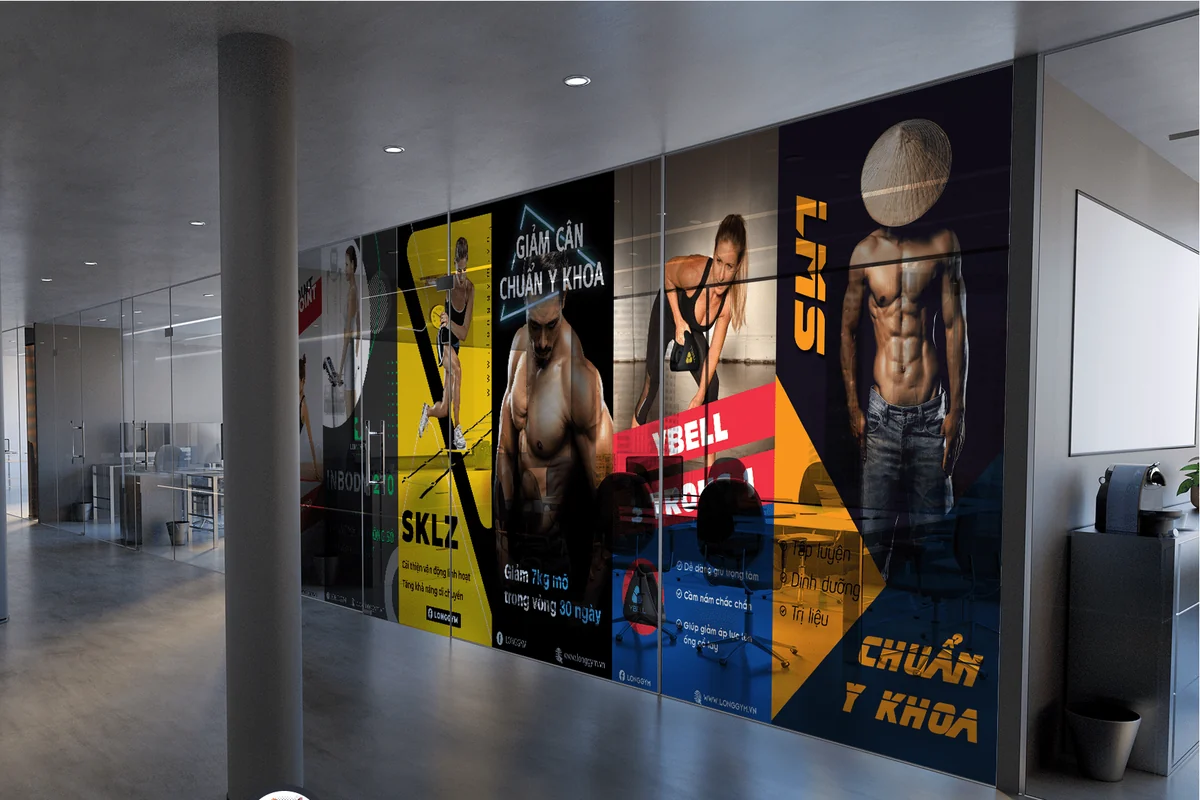
Full-sheet images printed on milky or clear decal, stuck on the outside, or reverse-printed decal stuck on the inside of the glass to avoid scratches, sun and rain.

Cut letters and logos on glass
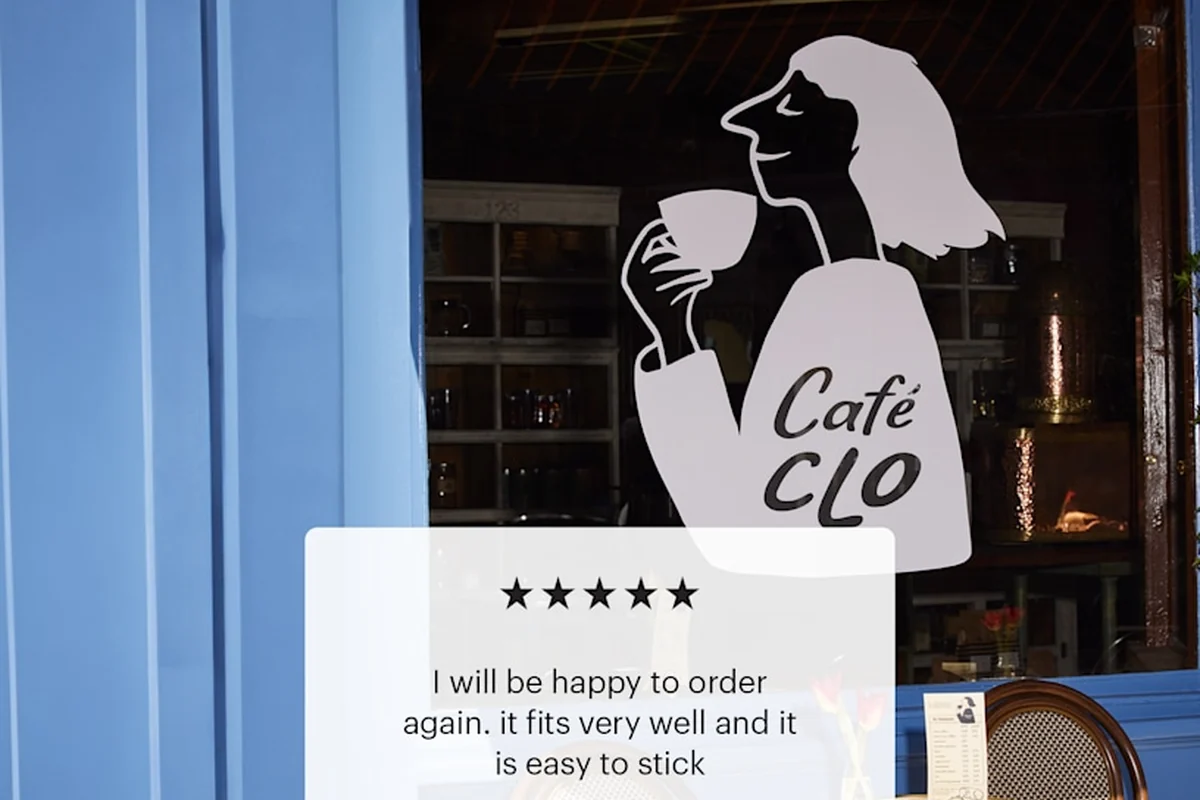
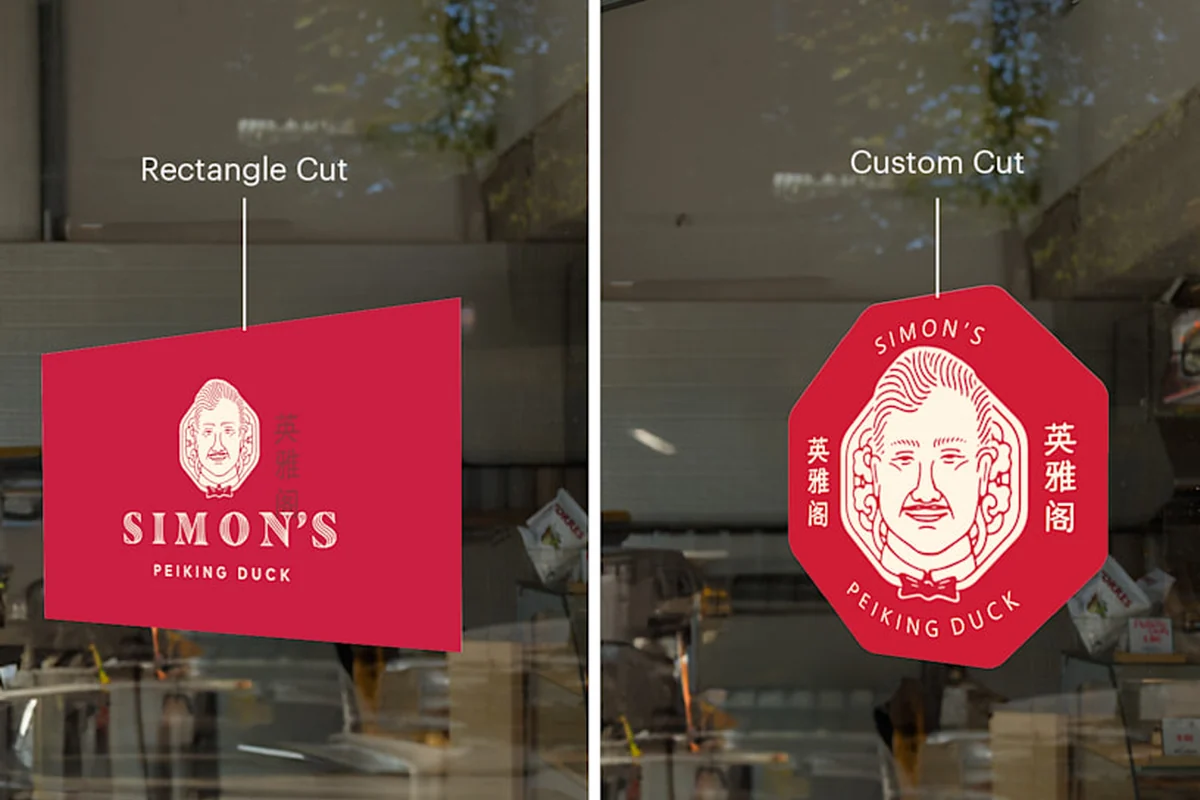
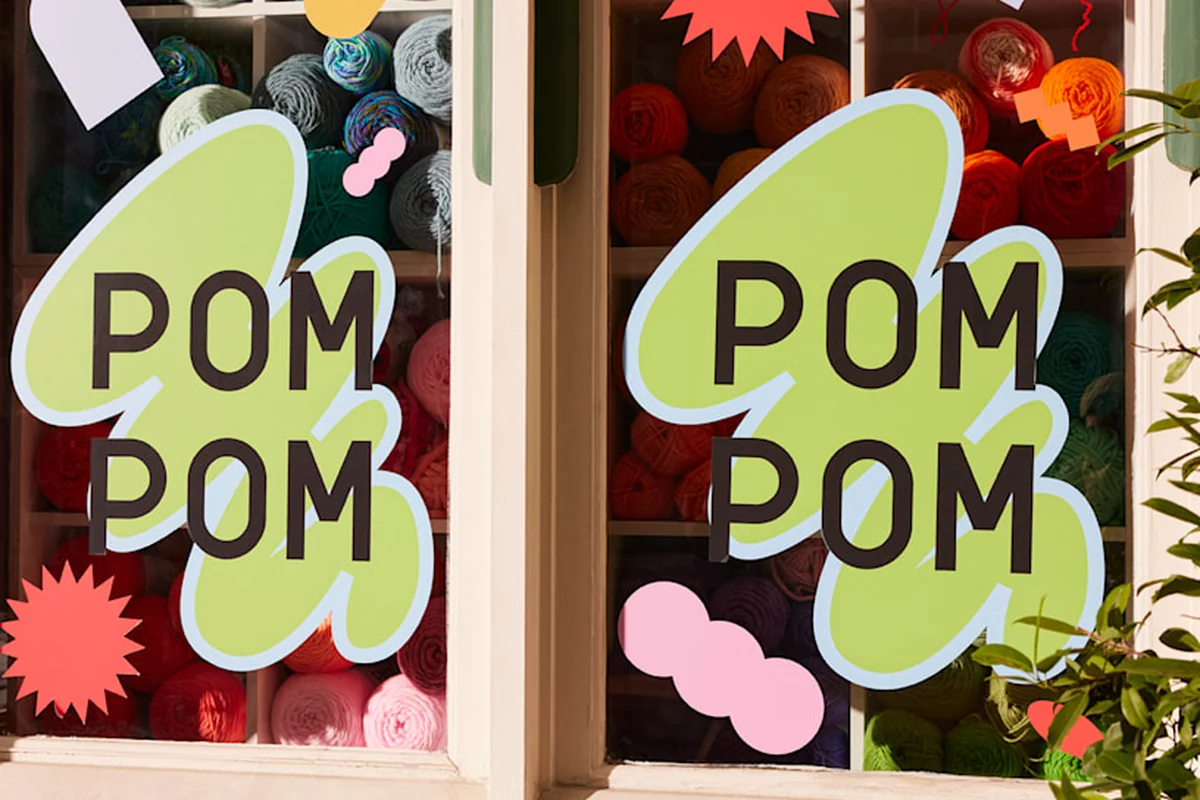
Shop names, opening hours, logos and phone numbers cut from solid-colour decal sheets — no printing, so the colours last and the cut lines are sharp. See also Decal Cutting.
Clear decals and glass decoration decals
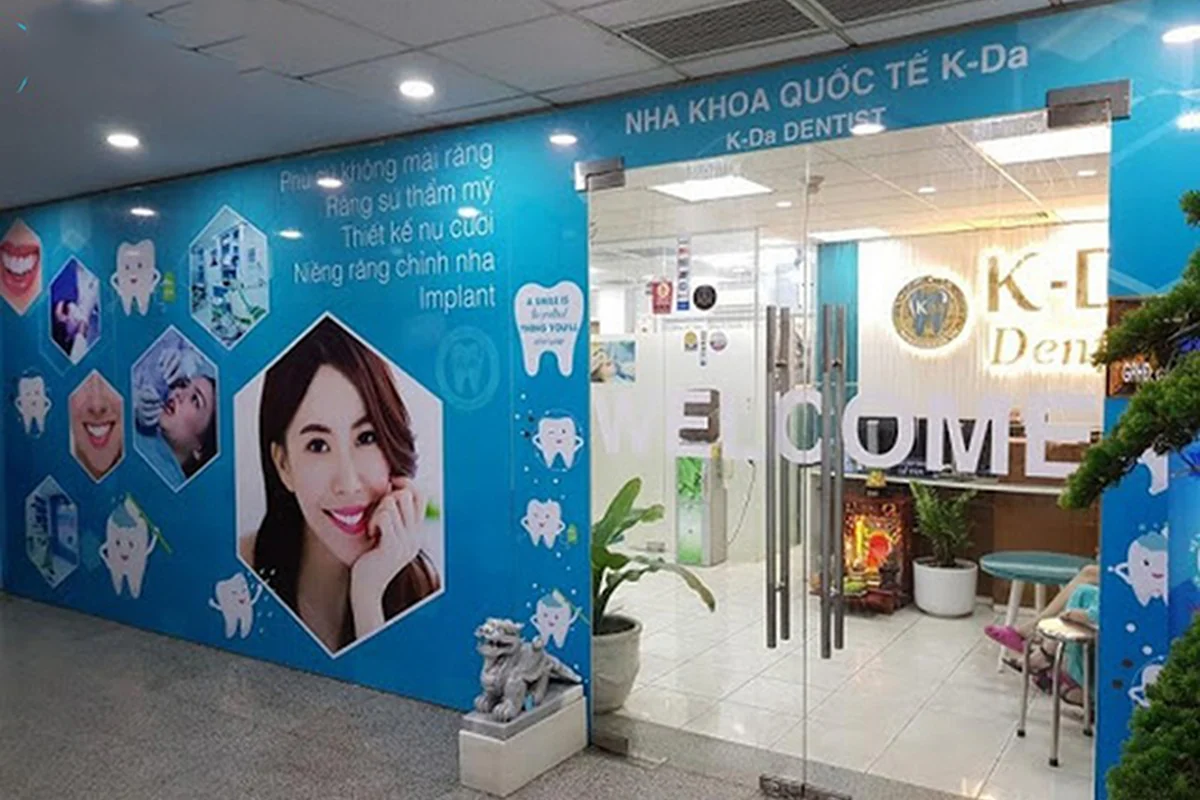
Colour patterns, motifs and eye-level privacy bands for office and clinic glass partitions. Besides adhesive decals there are also static cling decals that stick to glass without adhesive and can be peeled off and reapplied.

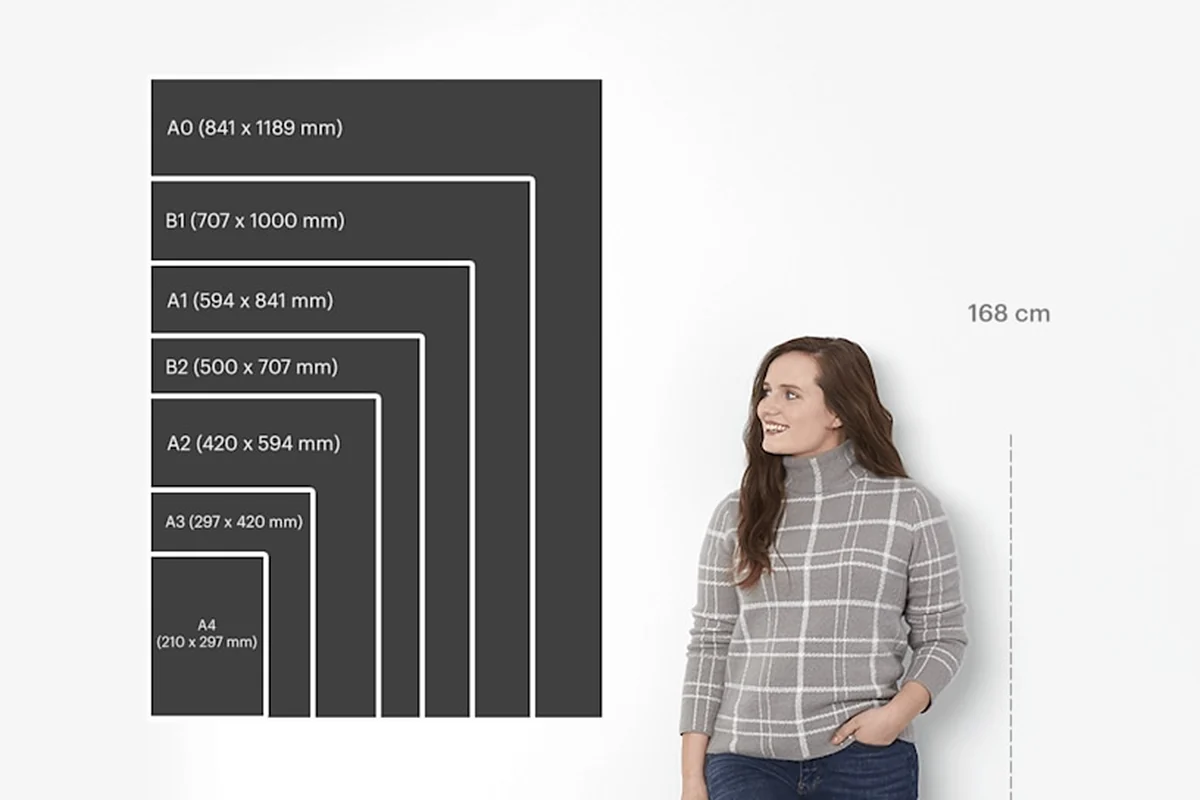
Glass decal sizes are made to the actual glass panes. The image below shows a few common sizes against a person's height to make the scale easier to picture.
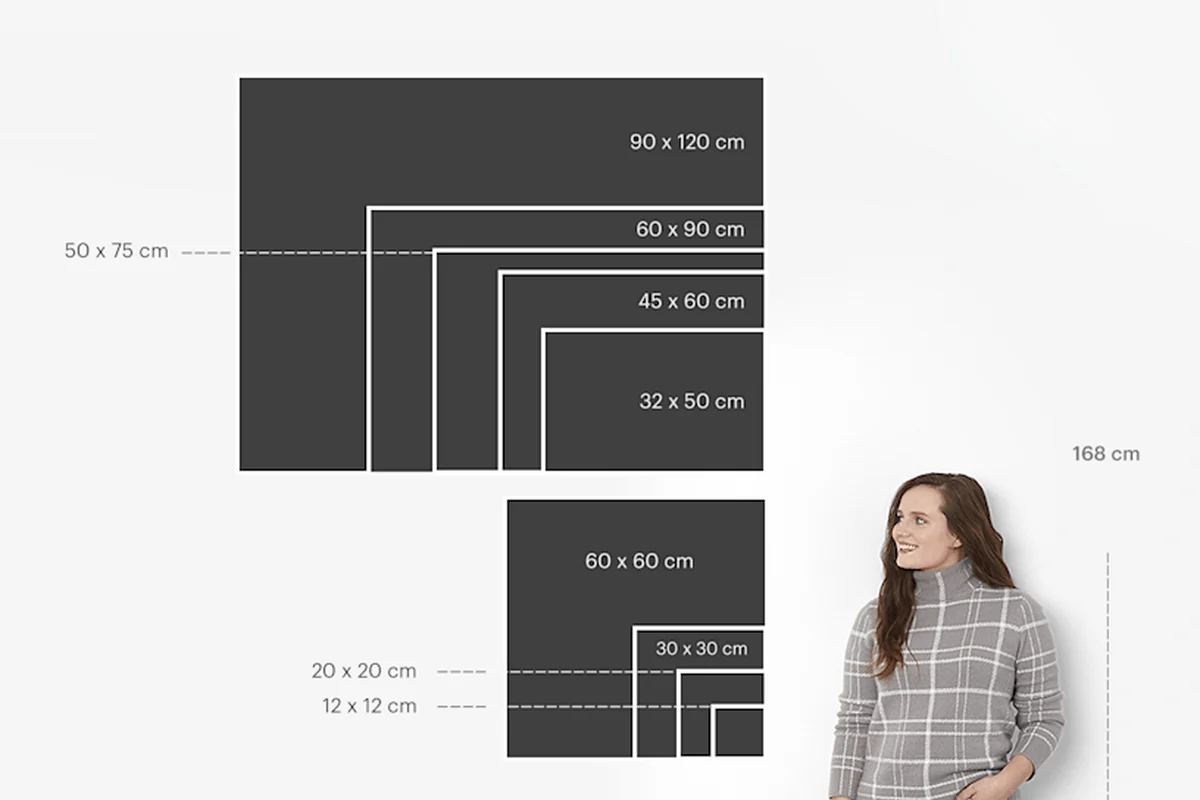
Poster decals for walls and facades
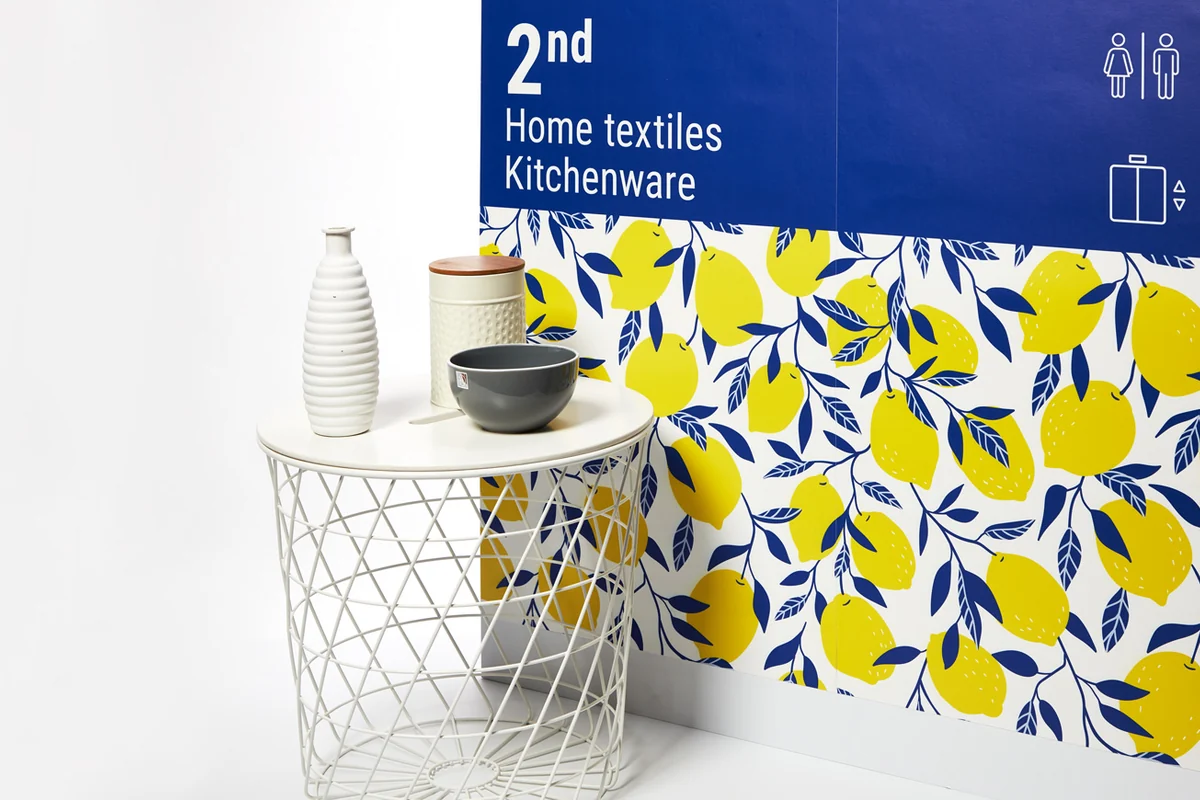
Large-format advertising decals printed with images and stuck directly on walls, columns and facades instead of hanging pictures or paper posters. The print size follows the actual wall; large sizes are split into panels and joined during installation. See Large-Format Decal and Poster.


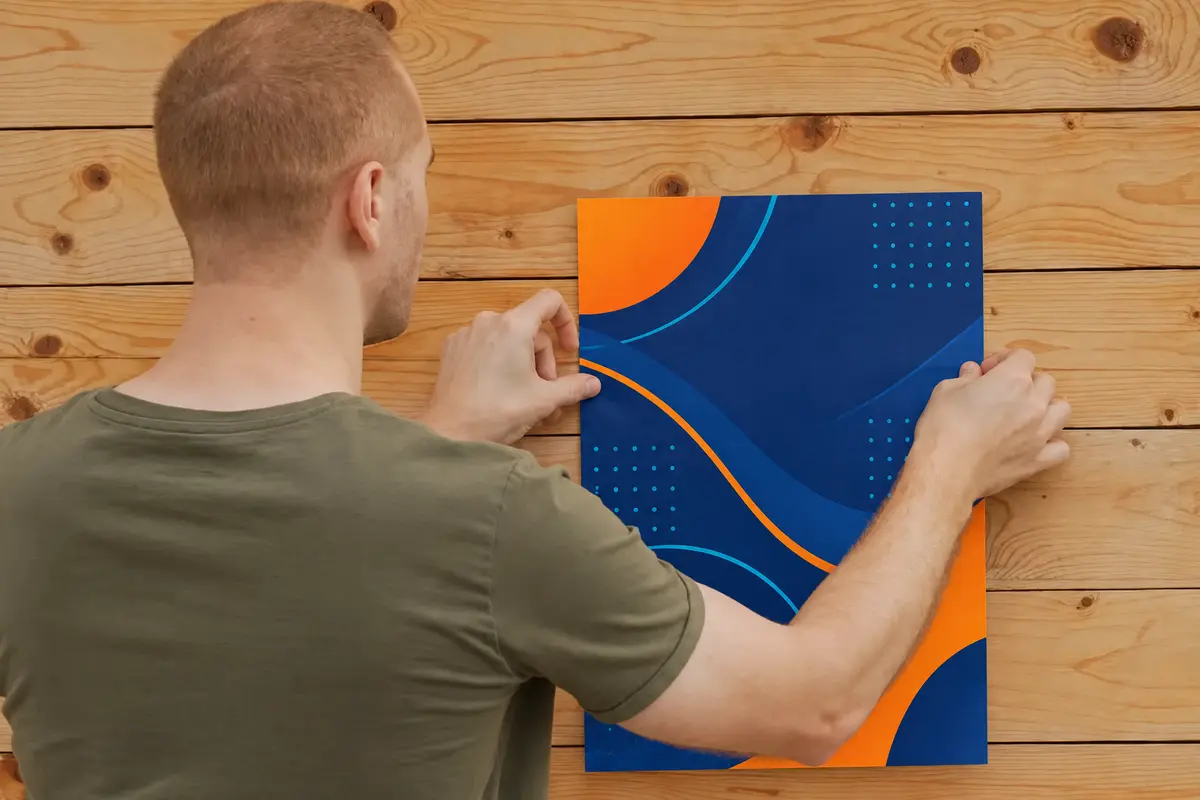
Poster sizes to the A and B standards — from A4 (210×297 mm) to A0 (841×1189 mm) — used as a quick reference when choosing a size.
Related products

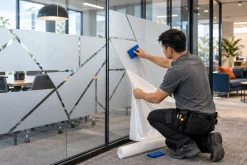
Decal application

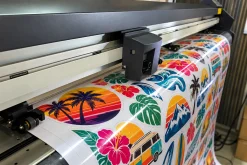
Decal cutting

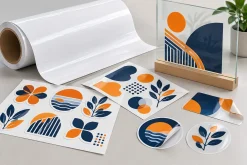
Decal

Fast Printing
Advertising decals for vehicles
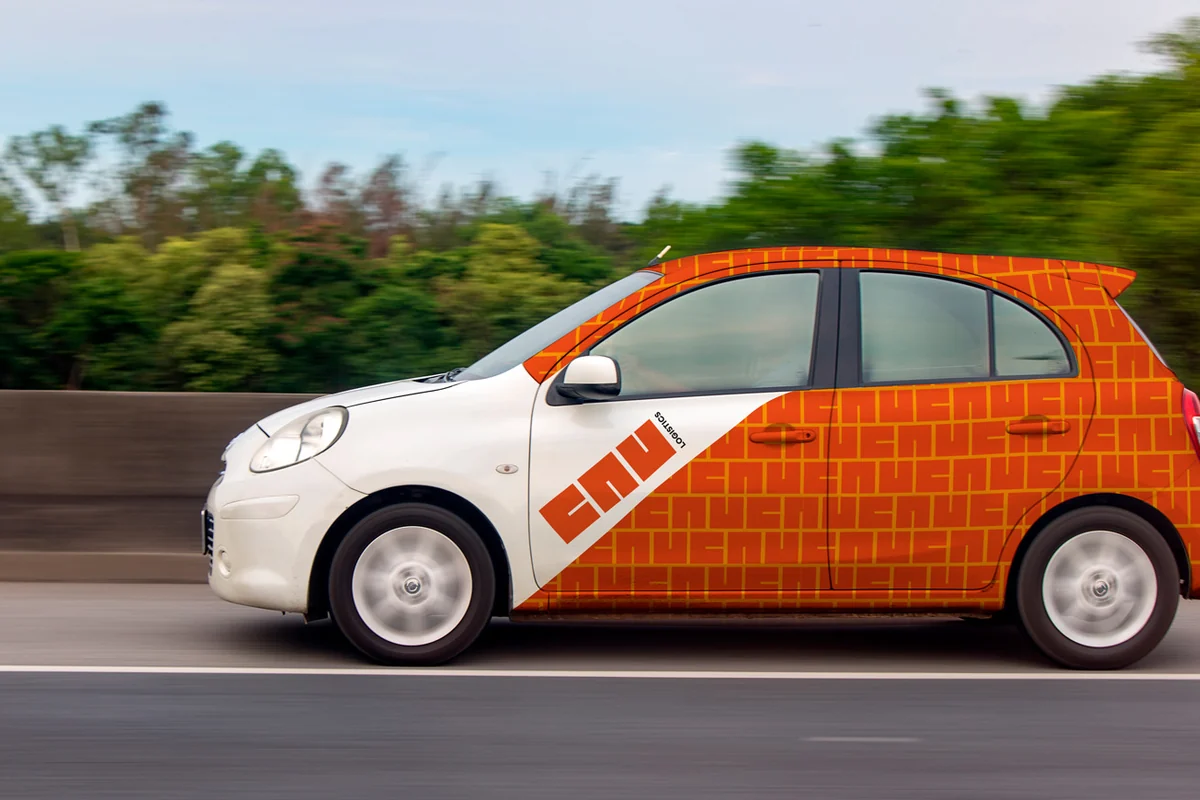
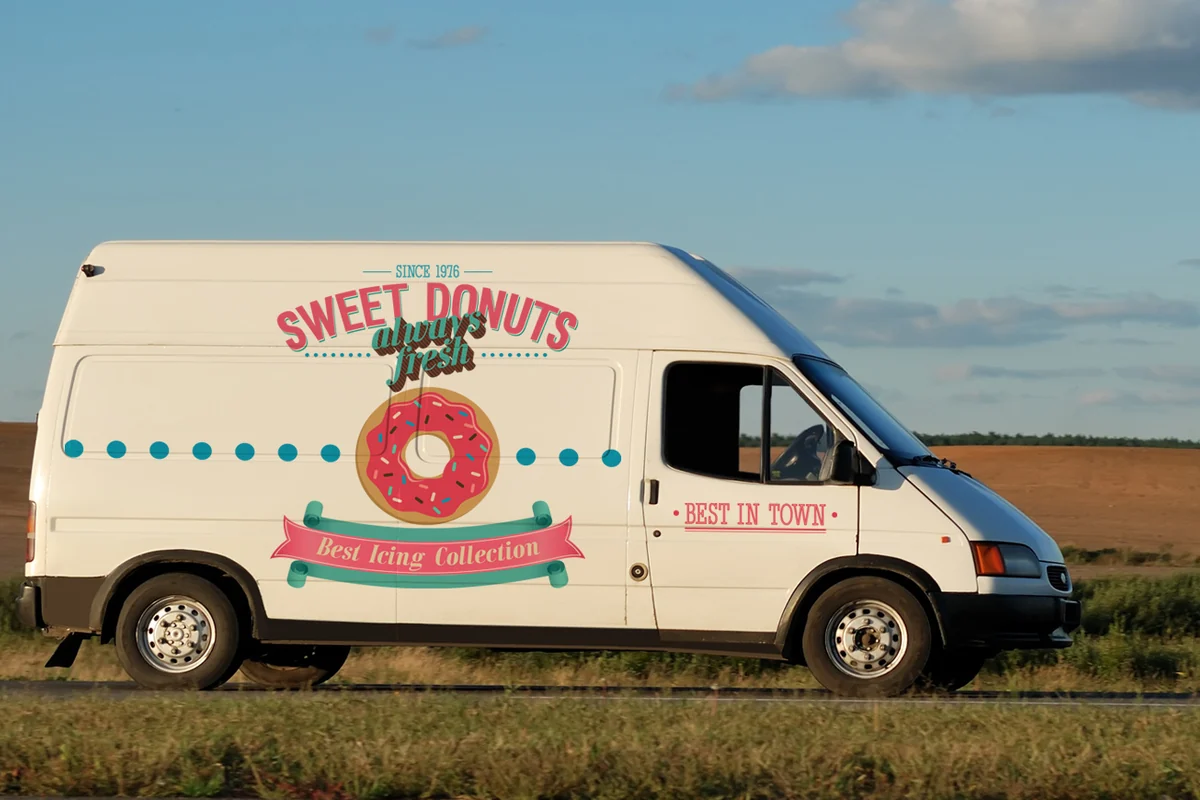
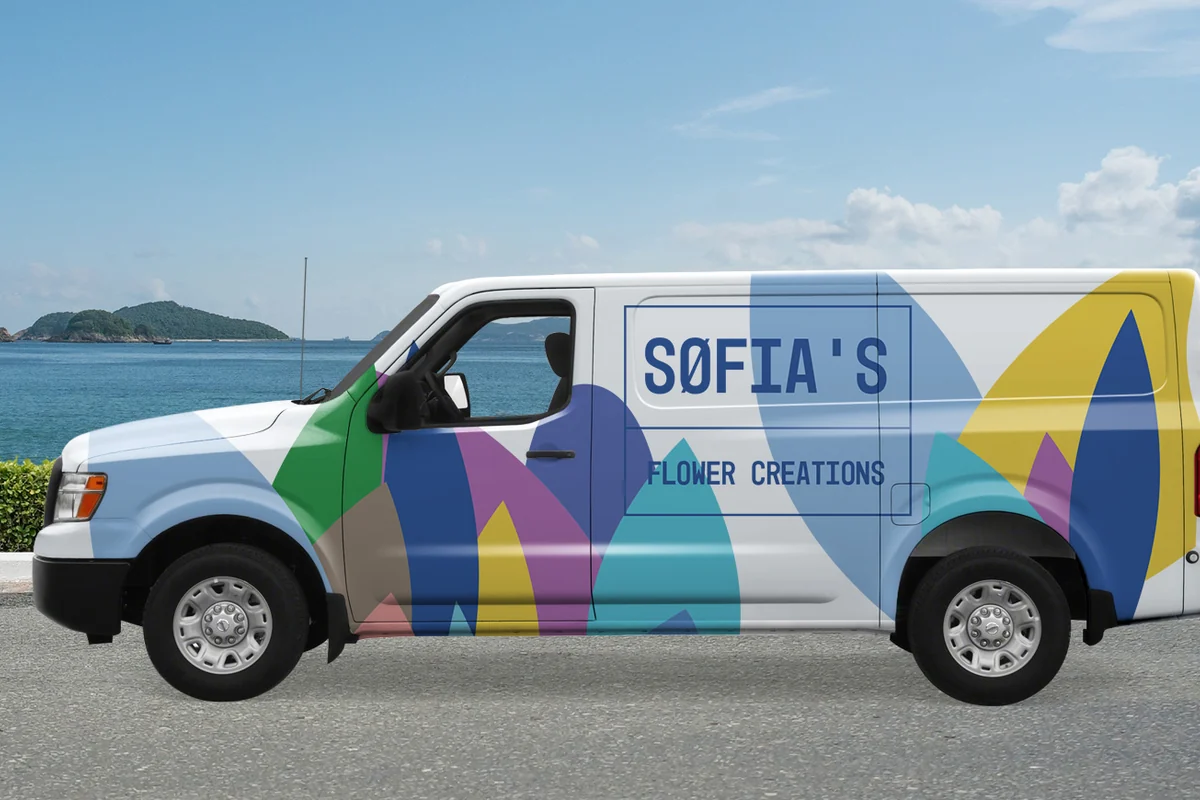
From logos and phone numbers on the doors of small trucks to full wraps on vans and buses. Vehicles run in sun and rain, so use PVC plastic decal with strong adhesive; vehicle windows use perforated decal so the driver can still see out.

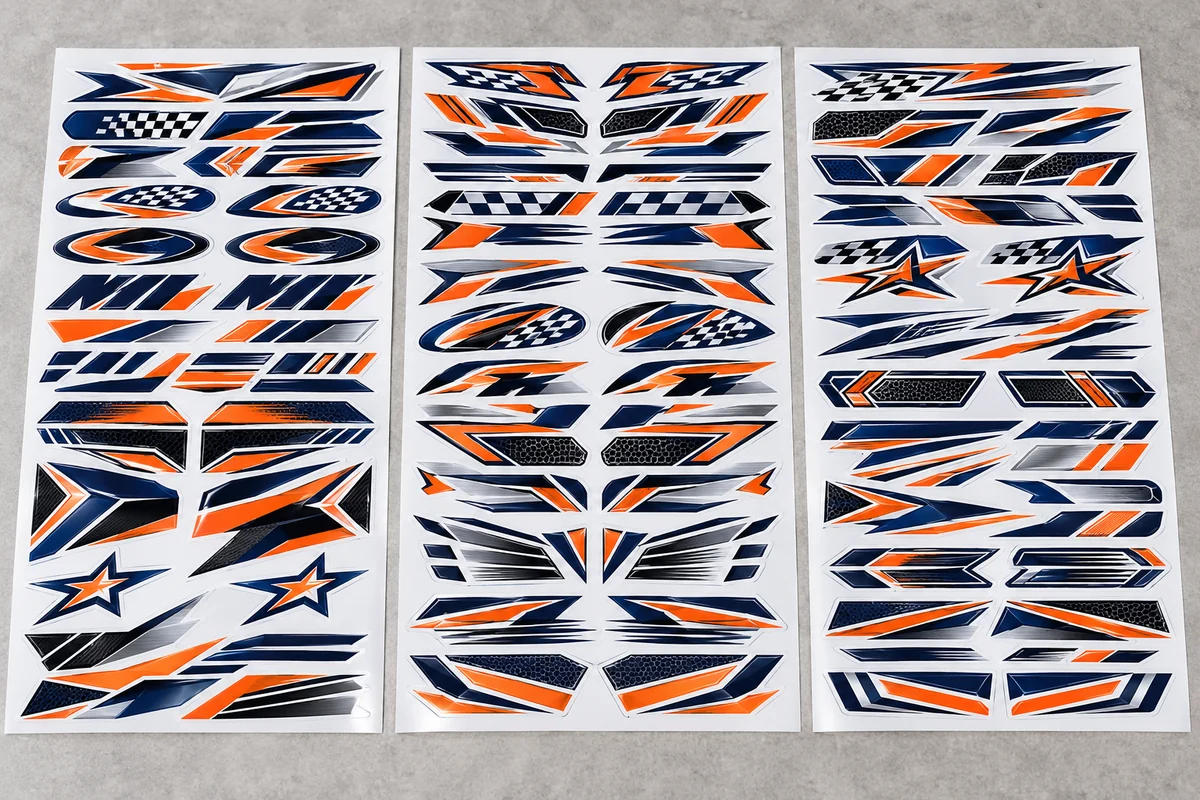
For motorbikes, decorative decal sets are cut to the exact shape of each model.
Decals for cabinets, floors and interior decoration
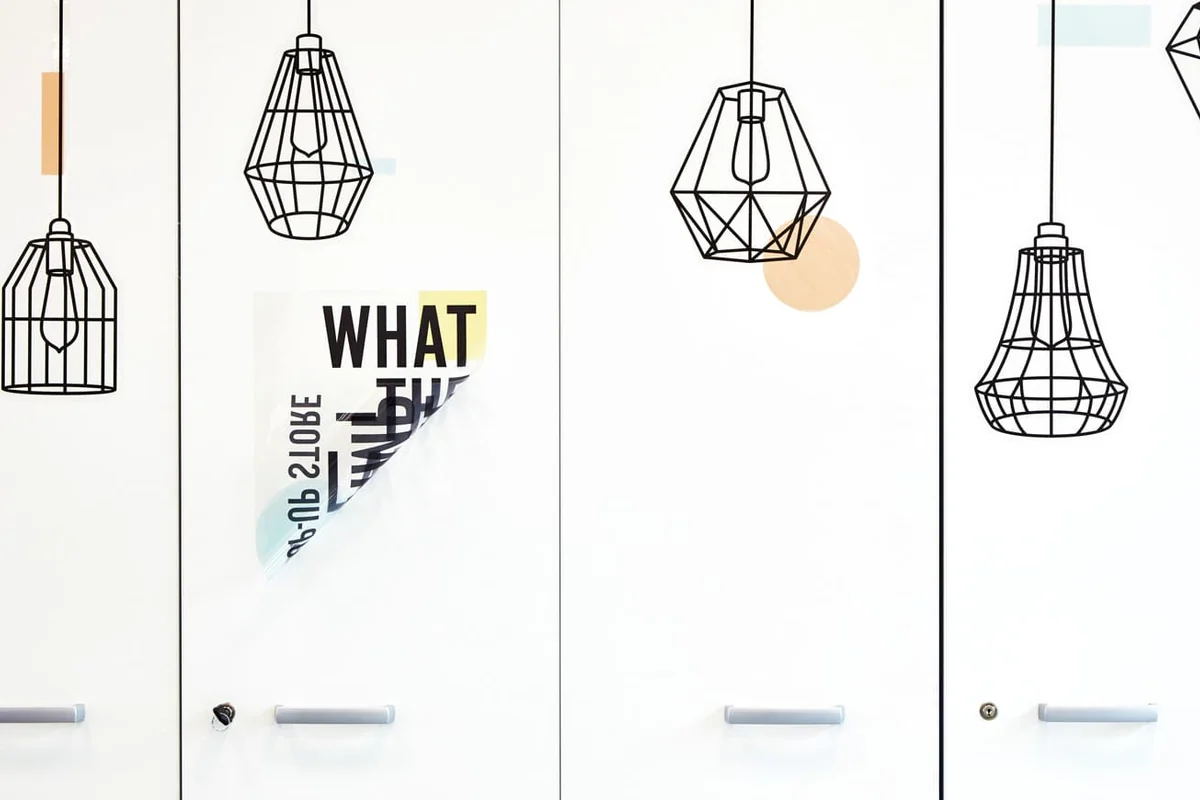
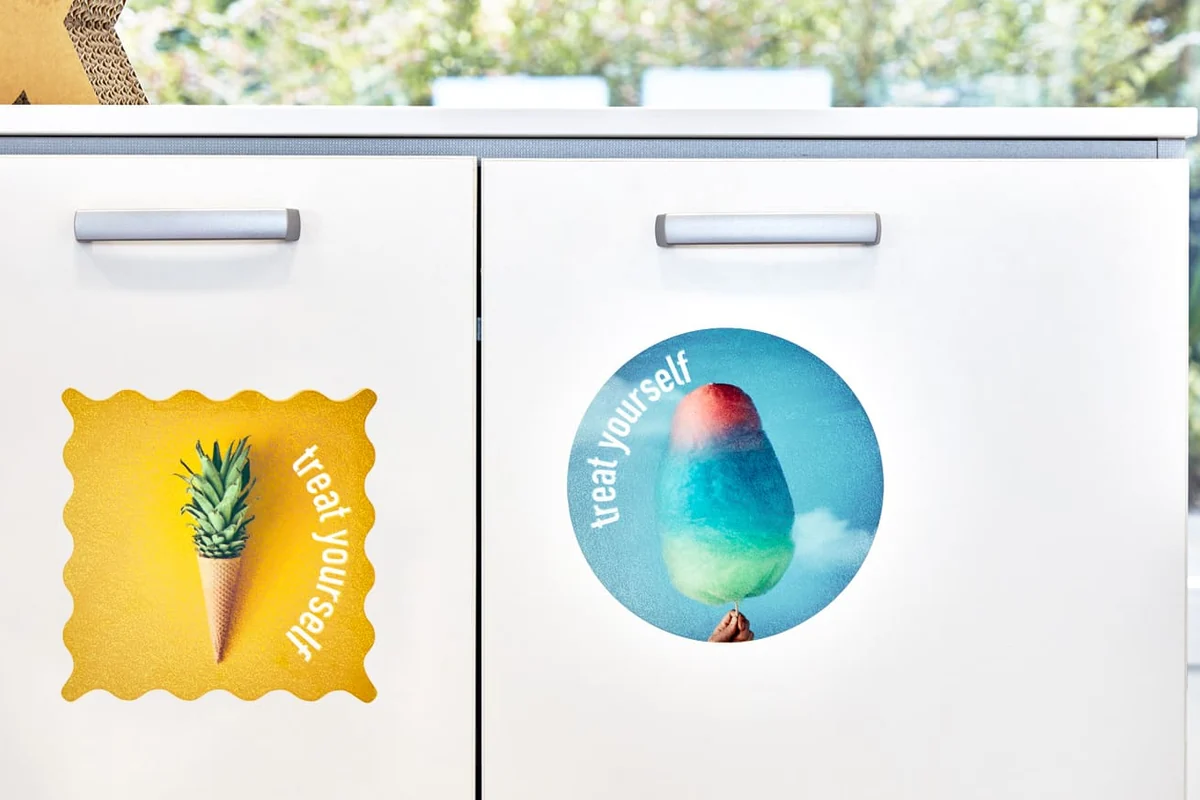
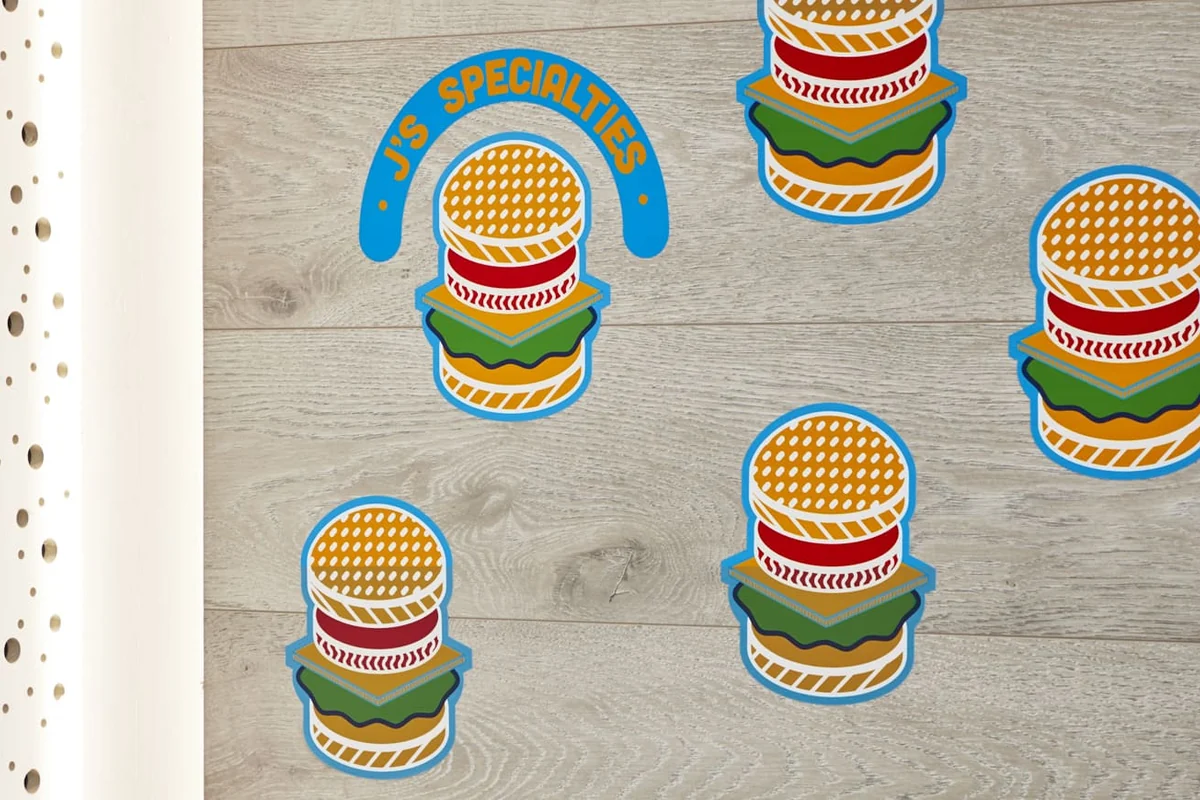
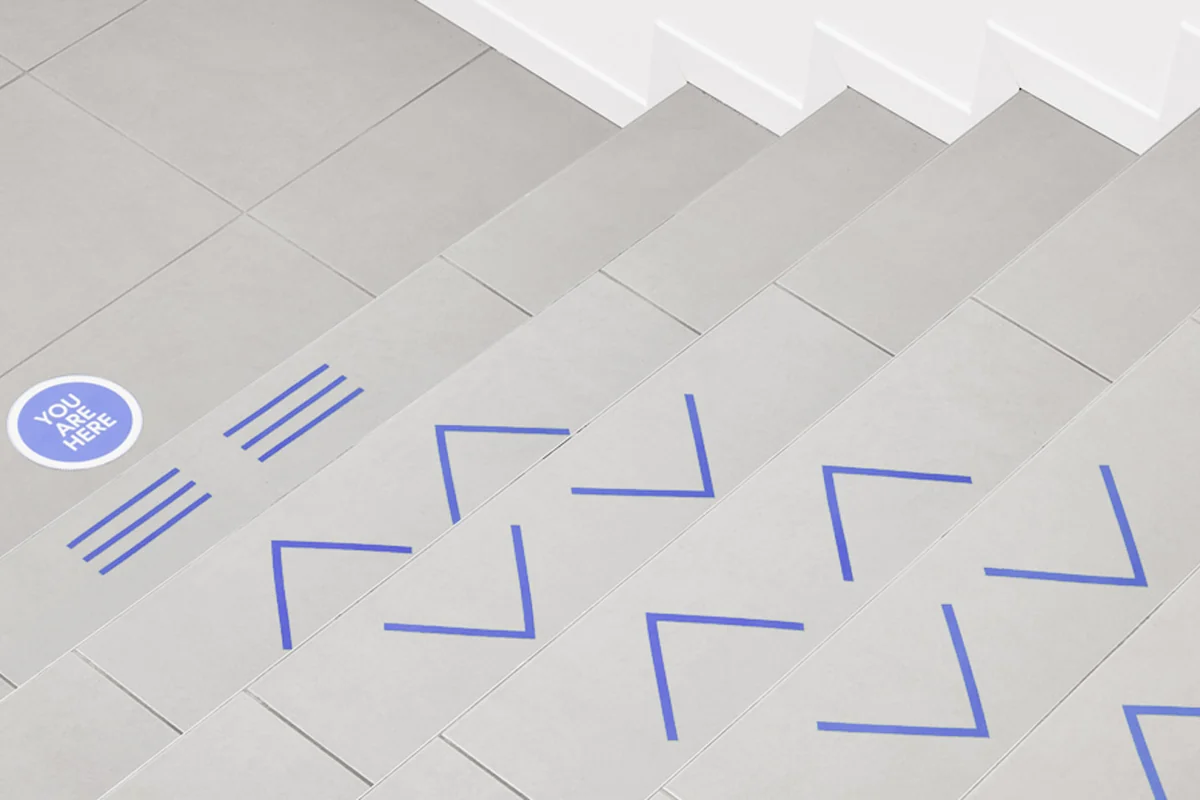
Decals on kitchen cabinets, wardrobes, tables and wooden doors change the colour or add patterns without repainting. Floor decals are used for walkway directions, lobby logos and event display areas. The flatter and cleaner the surface, the longer the decal stays stuck.
Decal labels for products and packaging
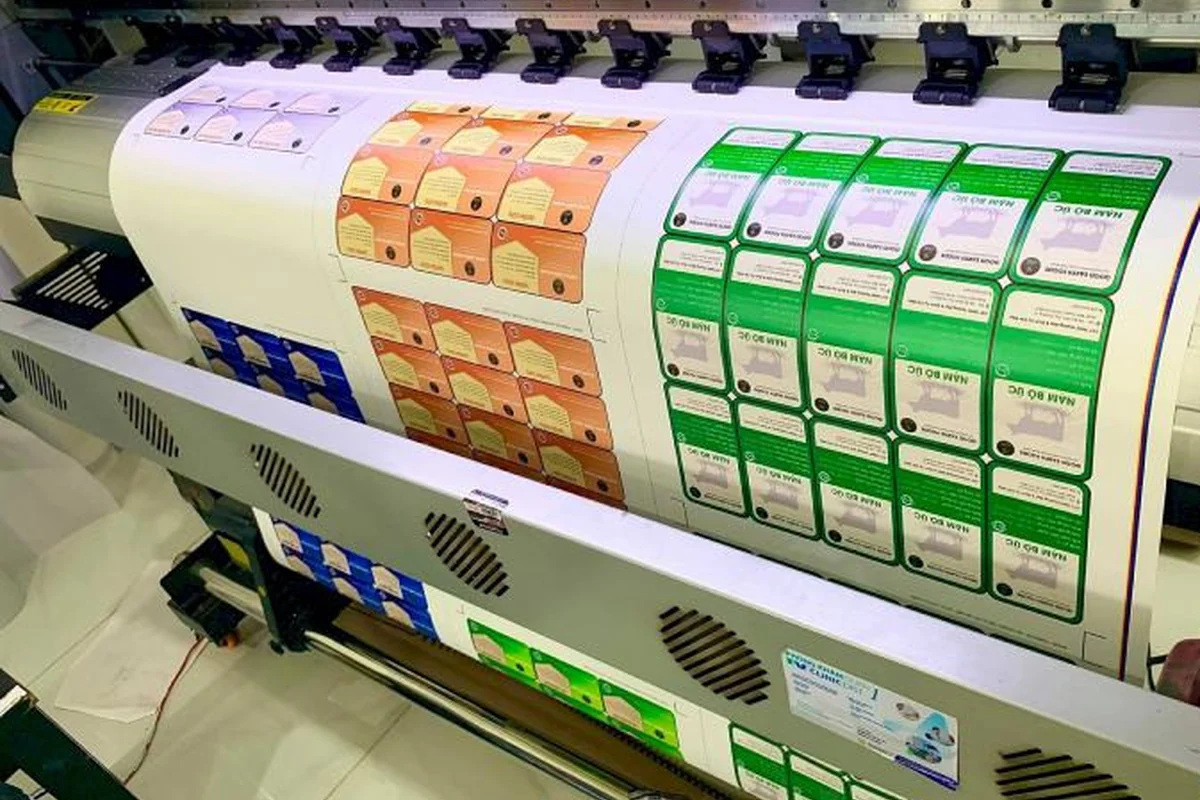
Labels are the smallest form of advertising decal: digital decal for printing labels for bottles and jars, paper boxes, zip bags and seal stickers. They can be die-cut to shape and given raised spot UV for accents. See Labels & Stickers, Sticker, Eggshell Security Stickers and UV DTF Stickers.


Compared with other advertising print materials
- PP — for printing indoor posters and standees; available with or without adhesive.
- Backlit Film — translucent printing for light boxes.
- Formex and Alu — rigid self-standing board; decals are often stuck on its surface to make signboards and direction signs.
- Decal — the choice when you need to stick onto an existing surface: glass, walls, vehicles, cabinets, packaging.
Surface and print file tips
- Before applying advertising decals, the surface must be clean, dry and flat. Dusty paint, rough wood or oily glass all stop the adhesive from sticking, and the decal will peel at the edges after a few days. For difficult surfaces, tell us in advance so we can choose a stronger adhesive.
- Cut lettering decals need vector files (AI, EPS, PDF) with text converted to outlines; do not use JPG image files.
- Printed decals should be in CMYK, 300 dpi for small sizes; large sizes viewed from a distance can be printed at 150 dpi at 1:1 scale.
- Decals for the inside of glass: tell us in advance so we print in reverse.
- If you need on-site application, also order Decal Application — we offer on-site installation.
Frequently asked questions about advertising decals
How long do advertising decals last outdoors?
It depends on the decal type and adhesive. PVC plastic decals for outdoor use last much longer than paper decals, which are only for indoor use. Tell us the location and how long you want it to last so we can choose the right type.
Can advertising decals be peeled off?
Yes, but how cleanly depends on the adhesive type and how long it has been stuck. Oil-based adhesive plastic decals leave little residue when peeled. If you know you will change the content by season, tell us so we choose an easy-peel adhesive.
What is the difference between clear decal and milky decal?
Clear decal lets the background show through where there is no ink; milky decal has an opaque white face that covers the background completely, so the print is clearer on glass.
Can decals be made in odd sizes?
Yes. Decals are printed and cut to the actual size of the glass pane, wall area or vehicle body. Send us the width × height and the location.
Do you apply decals on site?
Yes. We offer a full package of printing and on-site decal application for shop windows, walls and vehicles.
Lifespan by location
How long the application lasts depends more on where it is stuck than on the price of the material. The same sheet stuck indoors lasts many years, but on a west-facing shopfront it fades after a few months.
| Placement | Typical lifespan | What fails first | How to extend it |
|---|---|---|---|
| Indoors, no sun | 3 years or more | Dust build-up and slight yellowing | Wipe regularly with a damp cloth |
| North-facing glass | 2 to 3 years | Edges peel from cleaning | Press the edges down again when they lift |
| West-facing glass | 6 months to 1 year | Fading, brittle surface | Choose a type with a UV-protective layer |
| Vehicle bodies driven daily | 1 to 2 years | Scratches from car washes and scrapes | Wash with a low-pressure hose |
| Floors in walkways | 3 to 6 months | Wear from footwear | Use a floor type with an anti-slip textured layer |
| Indoor cabinets and shelves | 3 years or more | Corners peel from knocks | Round the corners when cutting |
Sun direction is the most decisive factor. Before deciding, stand at the planned spot at around three in the afternoon to see whether the sun shines directly on it — that is the harshest time of day.
For jobs known in advance to be short-term, there is no need to choose the most expensive type. Choosing the lifespan you actually need and replacing it by campaign is usually cheaper than investing once and leaving it to fade on the wall.
How to apply it flat without air bubbles
Applying it correctly decides half the result. Experienced installers are fast, but you can do it yourself if the area is small and you follow the right order.
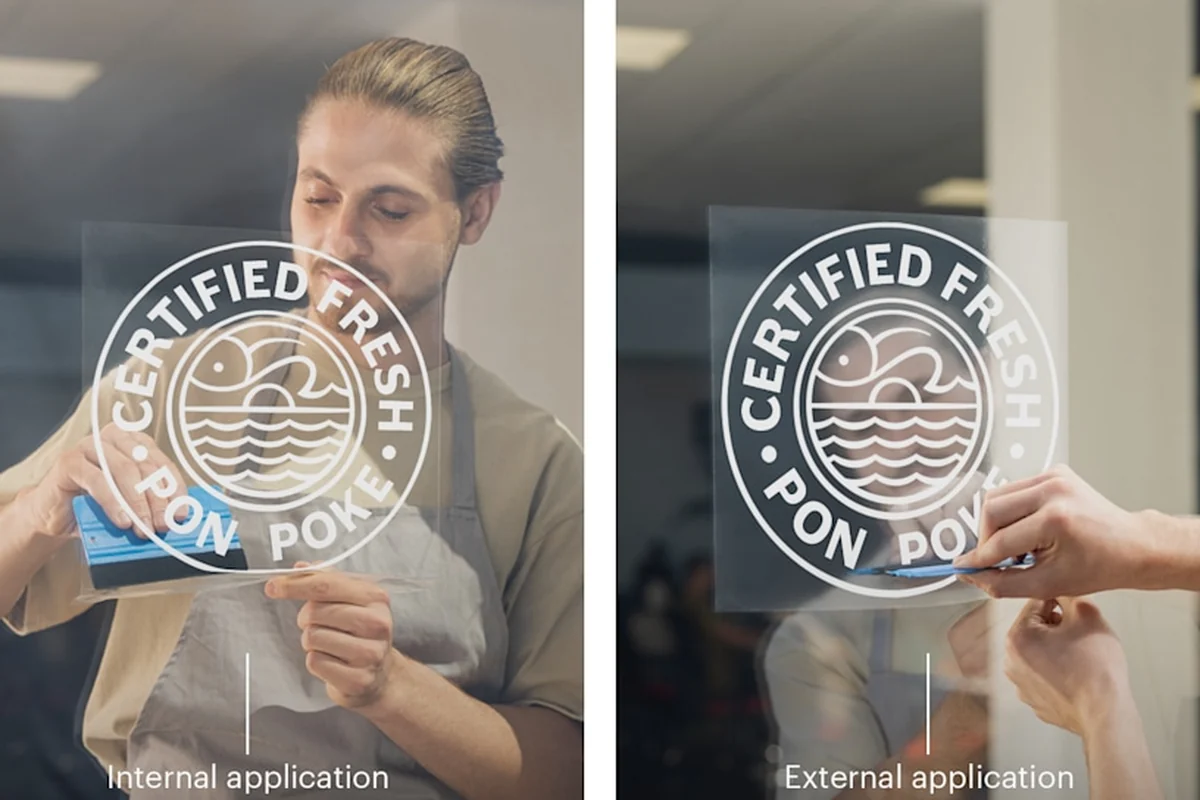
- Clean the surface: wipe off dust and grease, and wait until it is completely dry. If the surface is still damp the adhesive will not stick.
- Test the position with masking tape before peeling off the liner, especially for large sheets.
- Apply from one edge: peel the liner gradually and press as you go; do not peel it all off at once before laying it down.
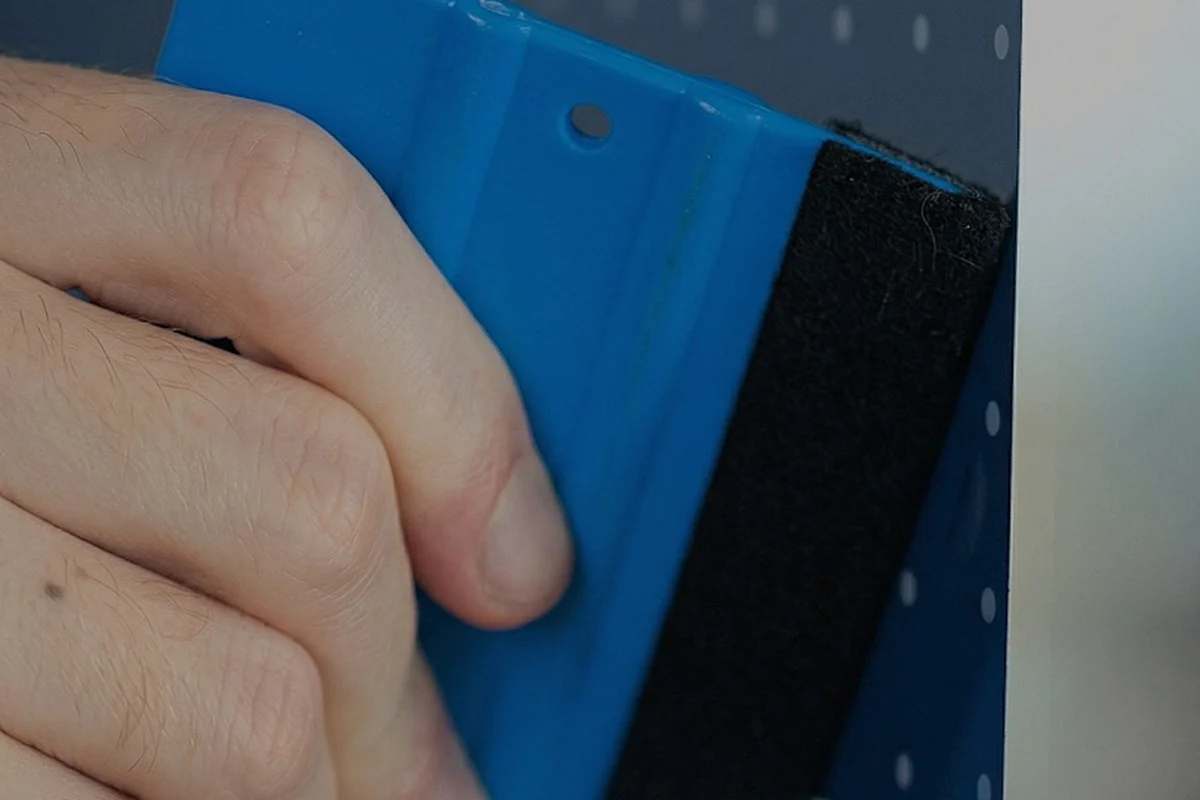
- Press with a plastic squeegee from the middle out to both sides to push out all the air bubbles.
- Small remaining bubbles can be pricked with a needle and pressed down again; do not try to lift the sheet and re-apply it.
- Wet application for large areas: spray a layer of water with a little soap on the surface so it can be positioned before the adhesive grabs.
For glass, apply in the morning while the glass is still cool. Hot glass makes the adhesive grab instantly, leaving no time to straighten it.
After application, avoid hard cleaning for the first twenty-four hours. The adhesive needs time to reach full bond; touching it too early makes the edges peel easily.
What the cost of a job includes
The price of an application job depends on four things: area, material type, cutting difficulty and whether installation is included. Understanding each item helps you compare quotes between suppliers properly.
- Area: charged per square metre of finished product, rounded up to the machine width.
- Material type: clear, milky, UV-protected and floor types have clearly different prices.
- Shape cutting: contour die-cutting costs extra labour; the more detailed the shape, the longer it takes.
- Installation: charged per session or per application point, depending on the height and difficulty of the surface.
- Removing the old layer: if the surface already has an old application, the removal and cleaning labour is charged separately.
- Design: free if you already have a finished vector file.
For small areas under one square metre, machine setup labour makes up a large share, so the price per square metre is much higher. Combining several jobs into one batch is the easiest way to reduce cost.
When comparing quotes, remember to ask whether installation is included and what type of material it is. Two quotes that differ a lot usually do so because of different materials, not because one place is cheaper.
Order advertising decals at In Quảng Cáo Q7
If you need decals printed for glass, vehicles, walls or labels, send the design file with the size and location so we can choose the right decal type. Contact 0866.511.099 or drop by the workshop at 49 Mai Van Vinh, Tan Hung Ward, Ho Chi Minh City. Production & delivery: 8:00–12:00 & 13:00–18:00 Mon–Sat (closed Sun) · Consultation & orders: 8:00–12:00 & 13:00–20:00 Mon–Sat; 14:00–19:00 Sun.
View directions to the workshop on Google Maps
Need printing or signage in Ho Chi Minh City?
In Quảng Cáo Q7 runs its own print workshop in Tân Hưng Ward (former District 7), Ho Chi Minh City, producing and installing signage, banners, window graphics, exhibition booths and event displays. Send us the size, material, quantity and a photo on WhatsApp and we will get back to you.

Phone: +84 866 511 099 · Also on WeChat
Workshop: 49 Mai Văn Vĩnh, Tân Hưng Ward, Ho Chi Minh City