












































































Our commitments
Printed directly in our workshop, no middlemen
Digital and offset presses right in our workshop. You deal directly with the people who make your order, so every request is understood and handled immediately.
Fast production, many orders ready the same day
Business cards, documents, decals, standees… printed and delivered the same day. See production times for each product group.
One point of contact, all-in-one from file to finished product
Quotes, orders, Zalo messages, delivery booking and invoicing run automatically on one system. Design – printing – finishing – installation all happen in-house, so you don't have to go anywhere else.
Full VAT invoices, issued fast
E-invoices issued right after delivery, with urgent support for businesses that need documents early for payment.
Vouchers | Gift Cards
From 180.000 ₫
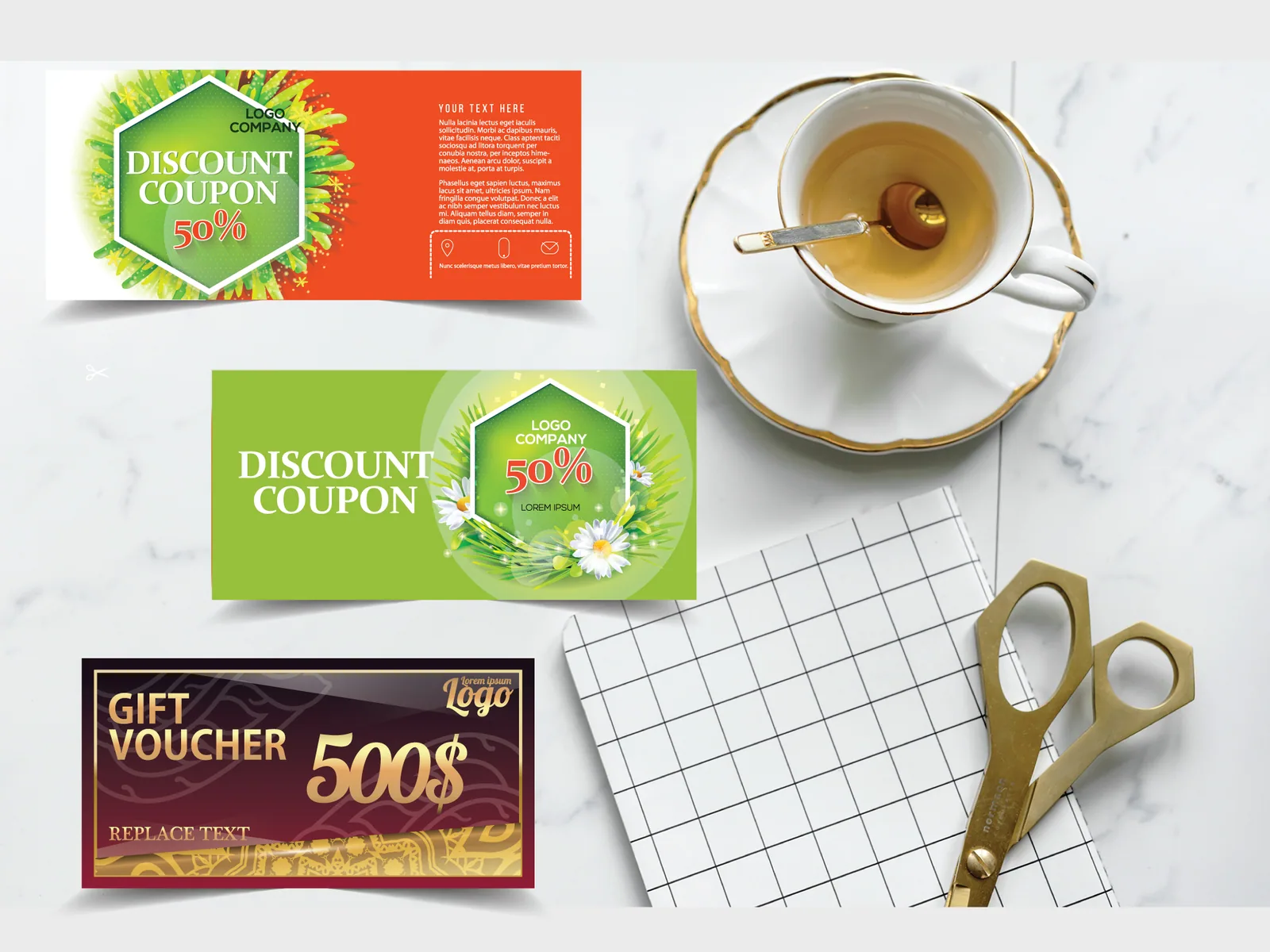
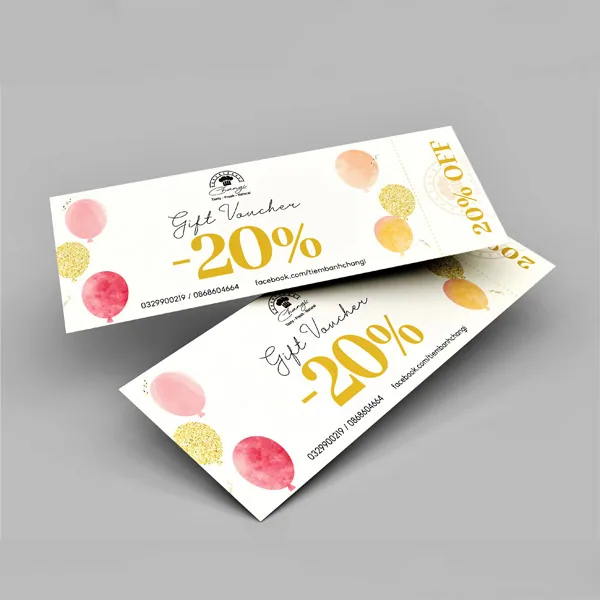
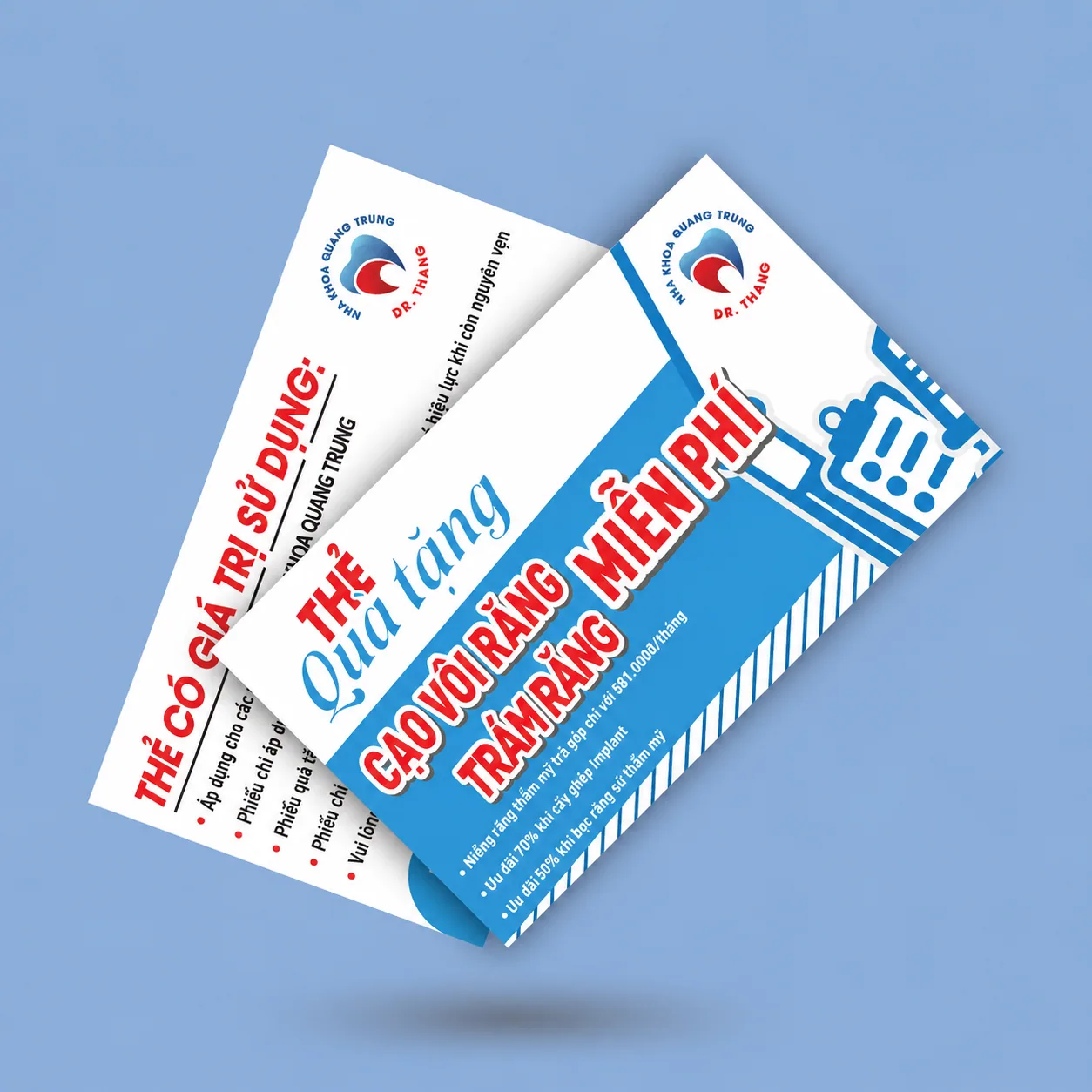
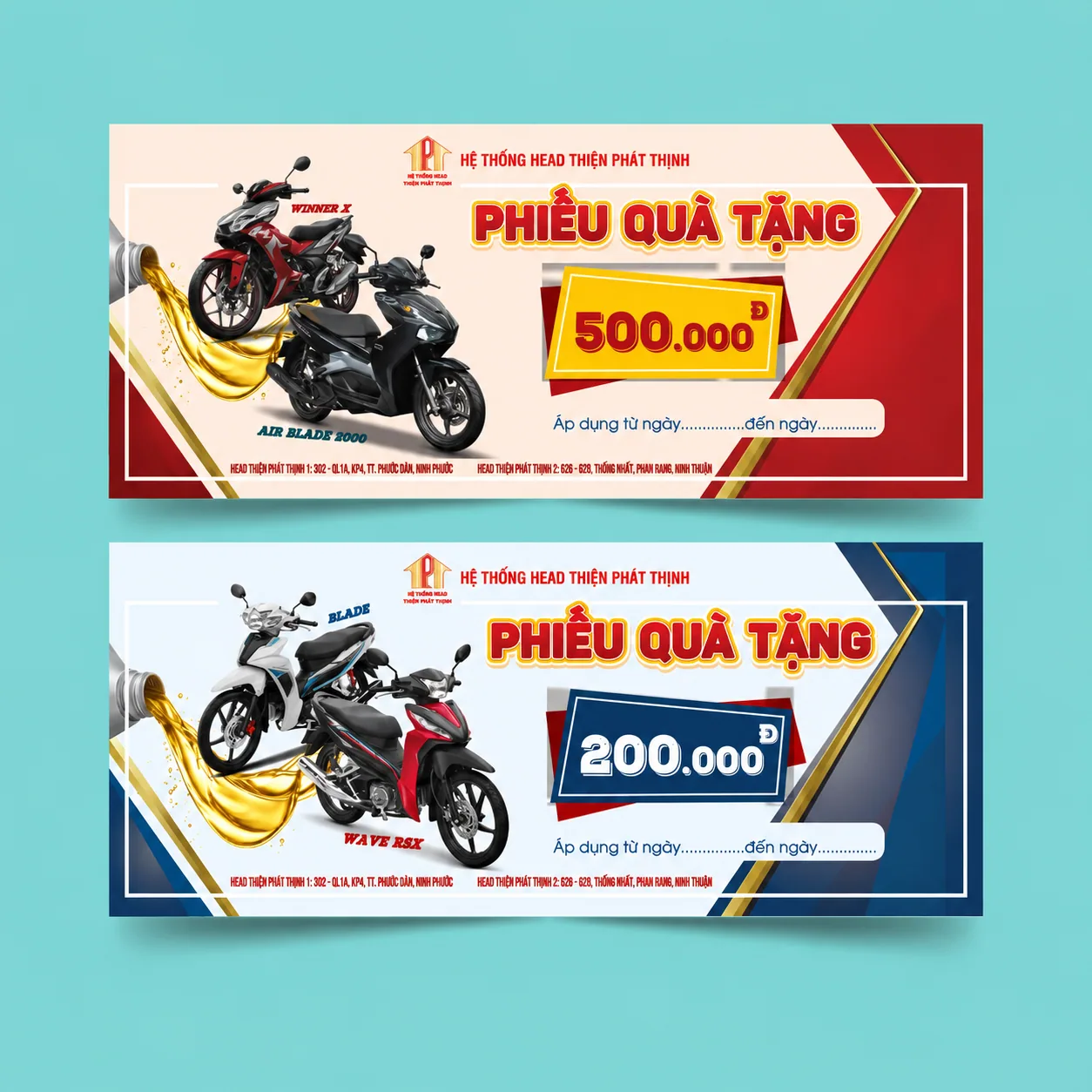
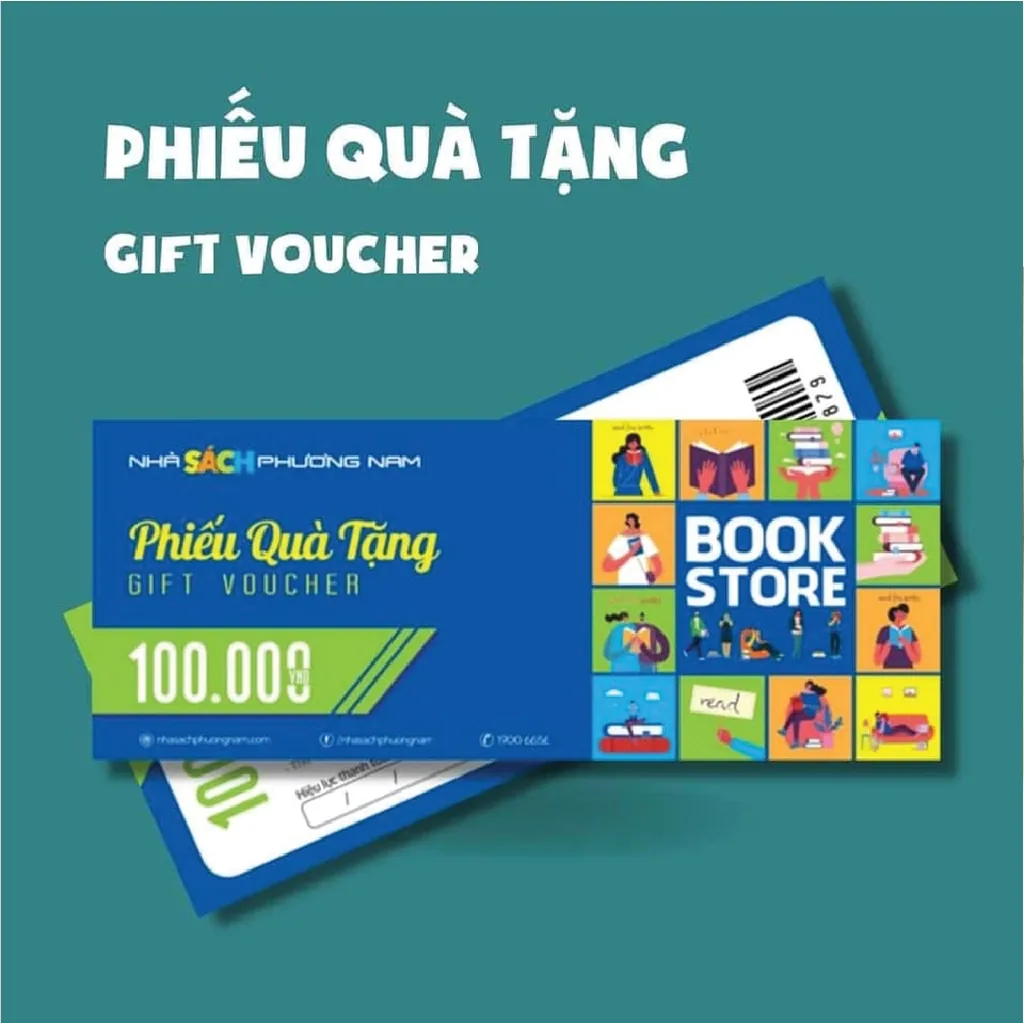
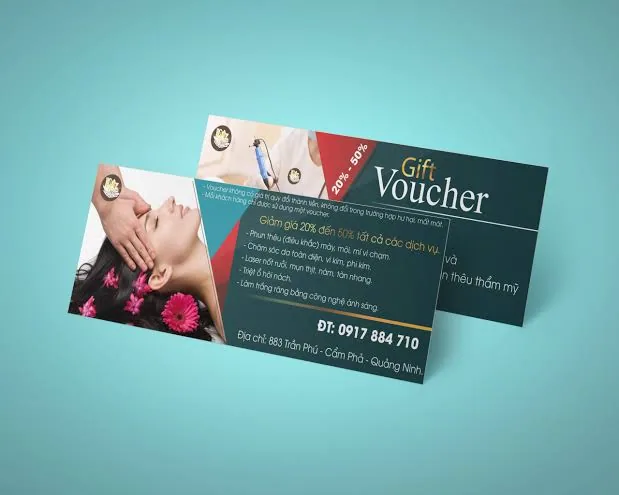
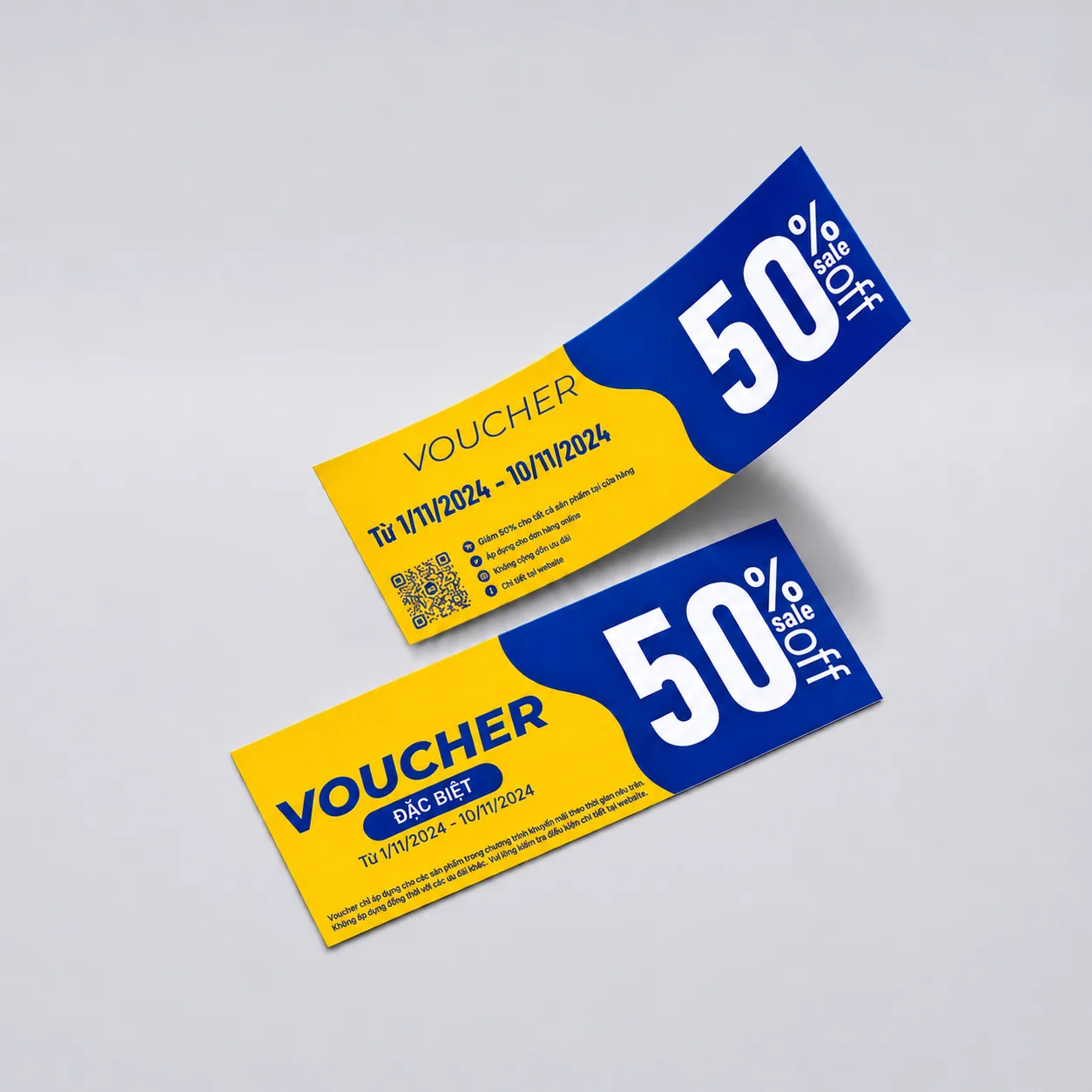
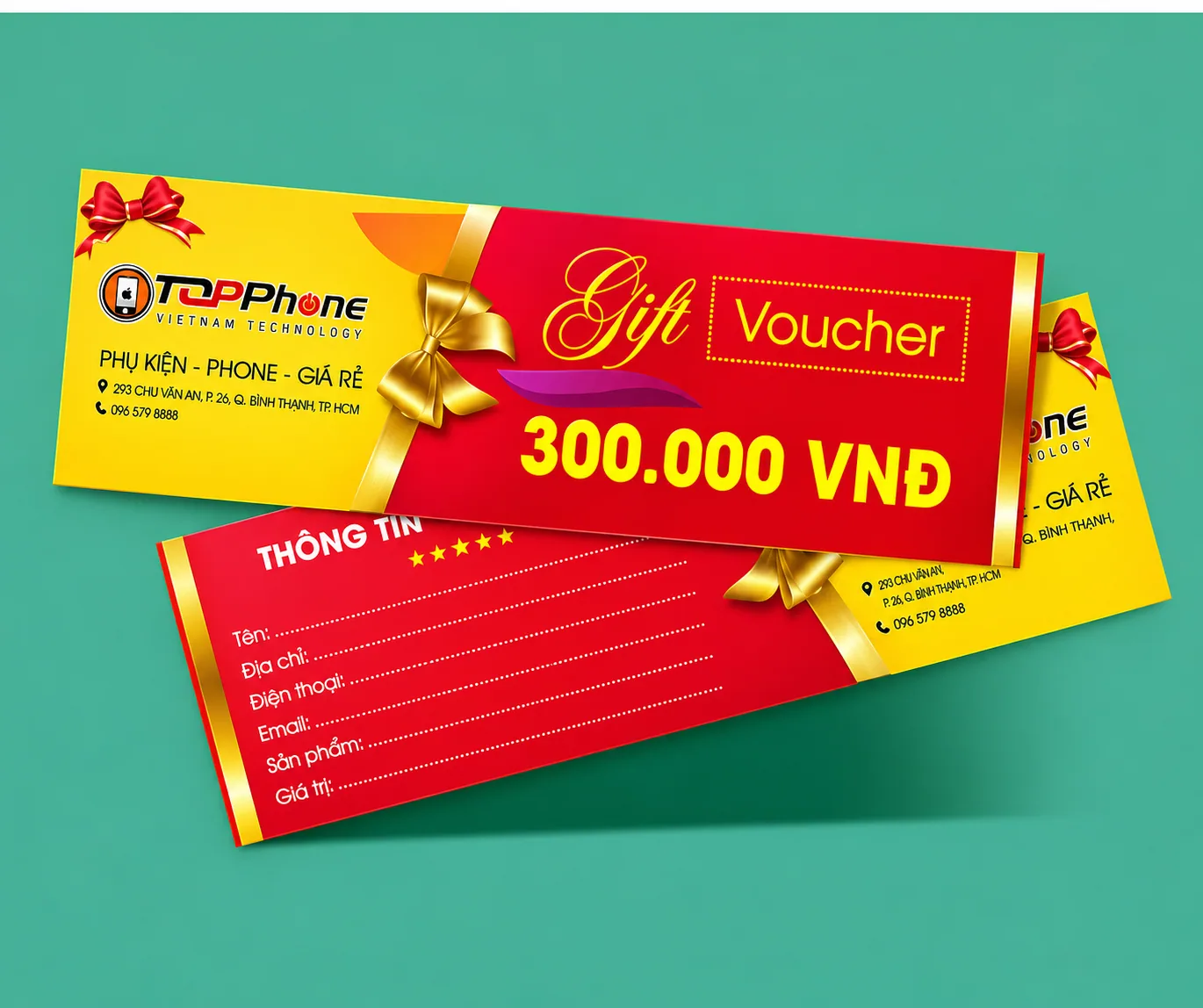
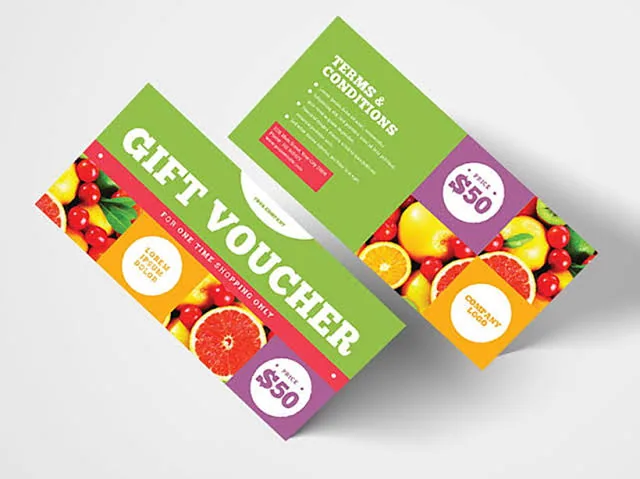
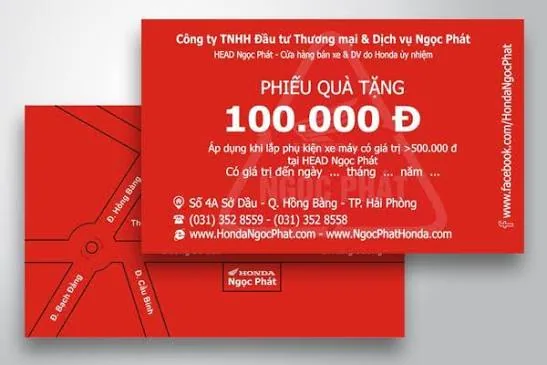
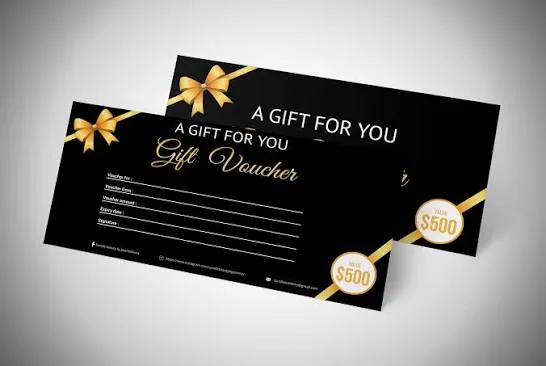
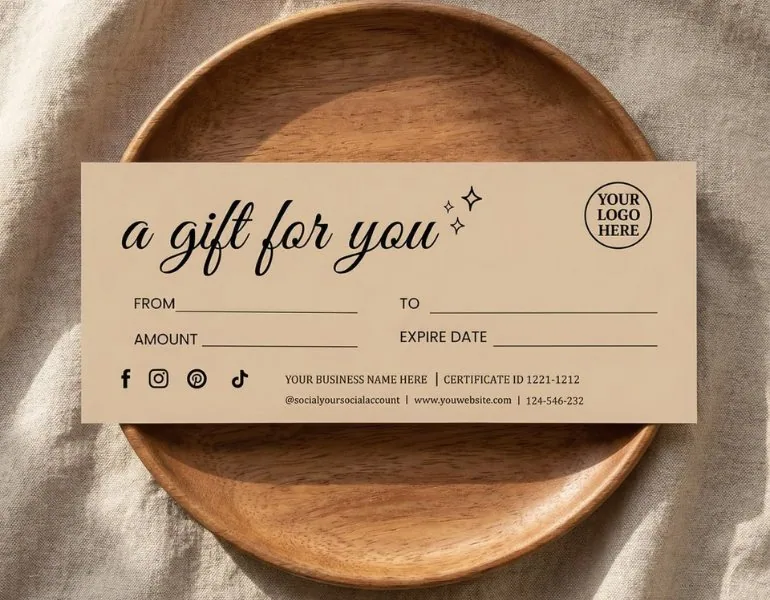
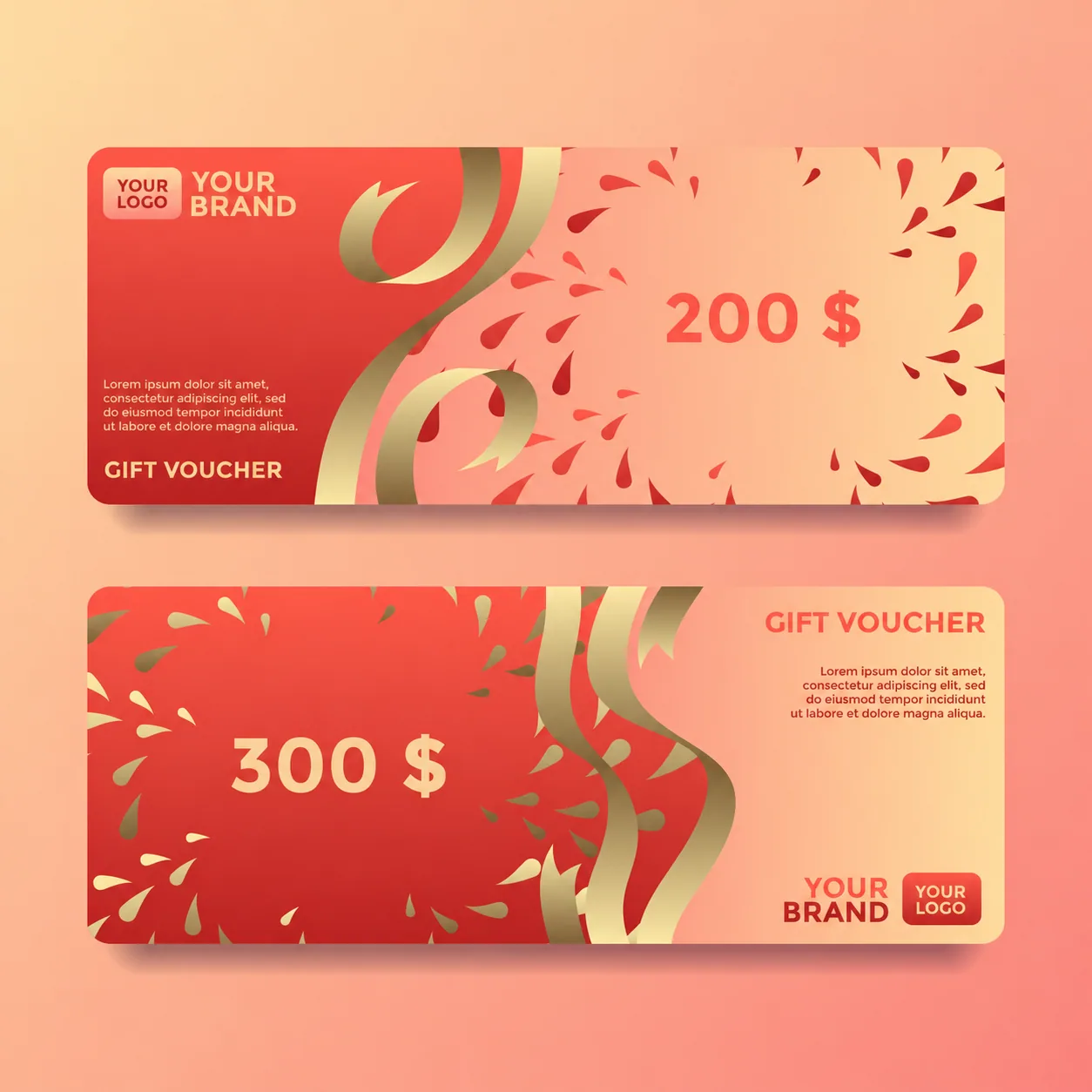
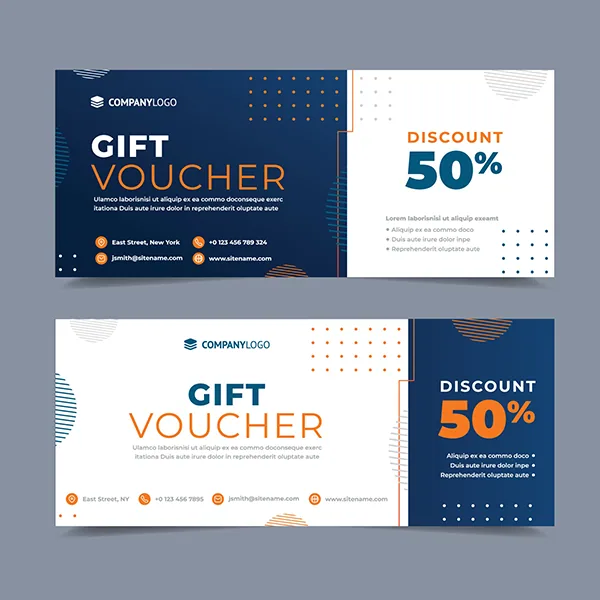
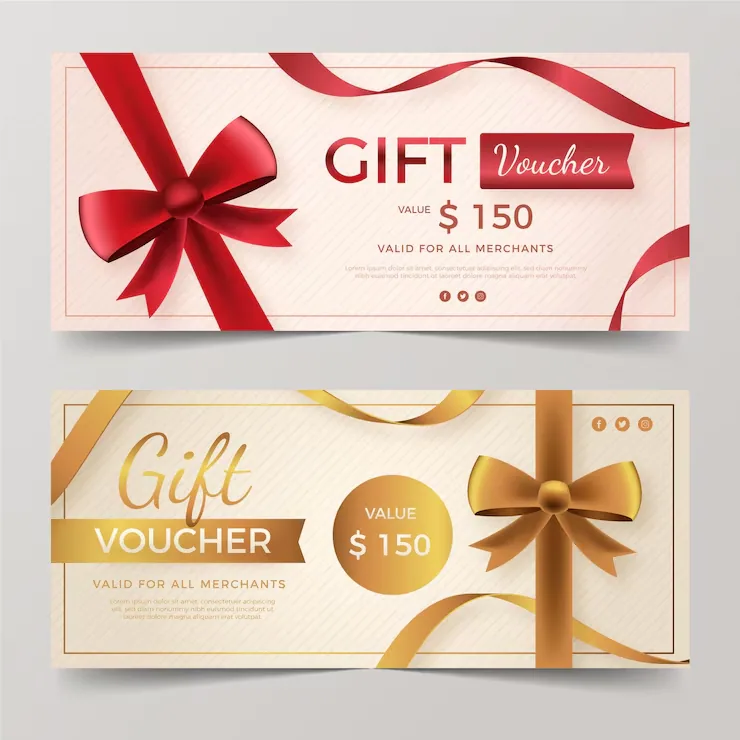
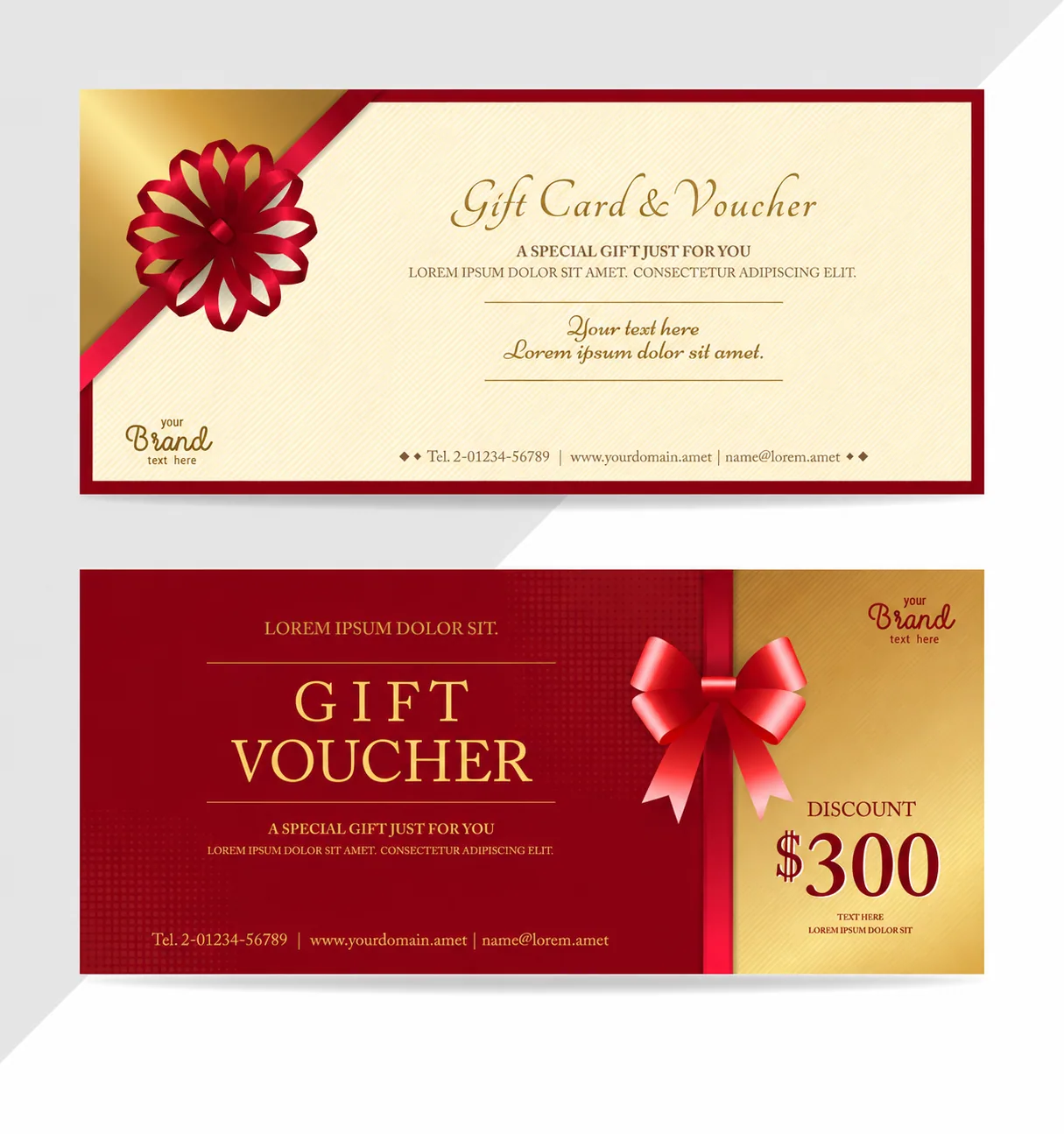
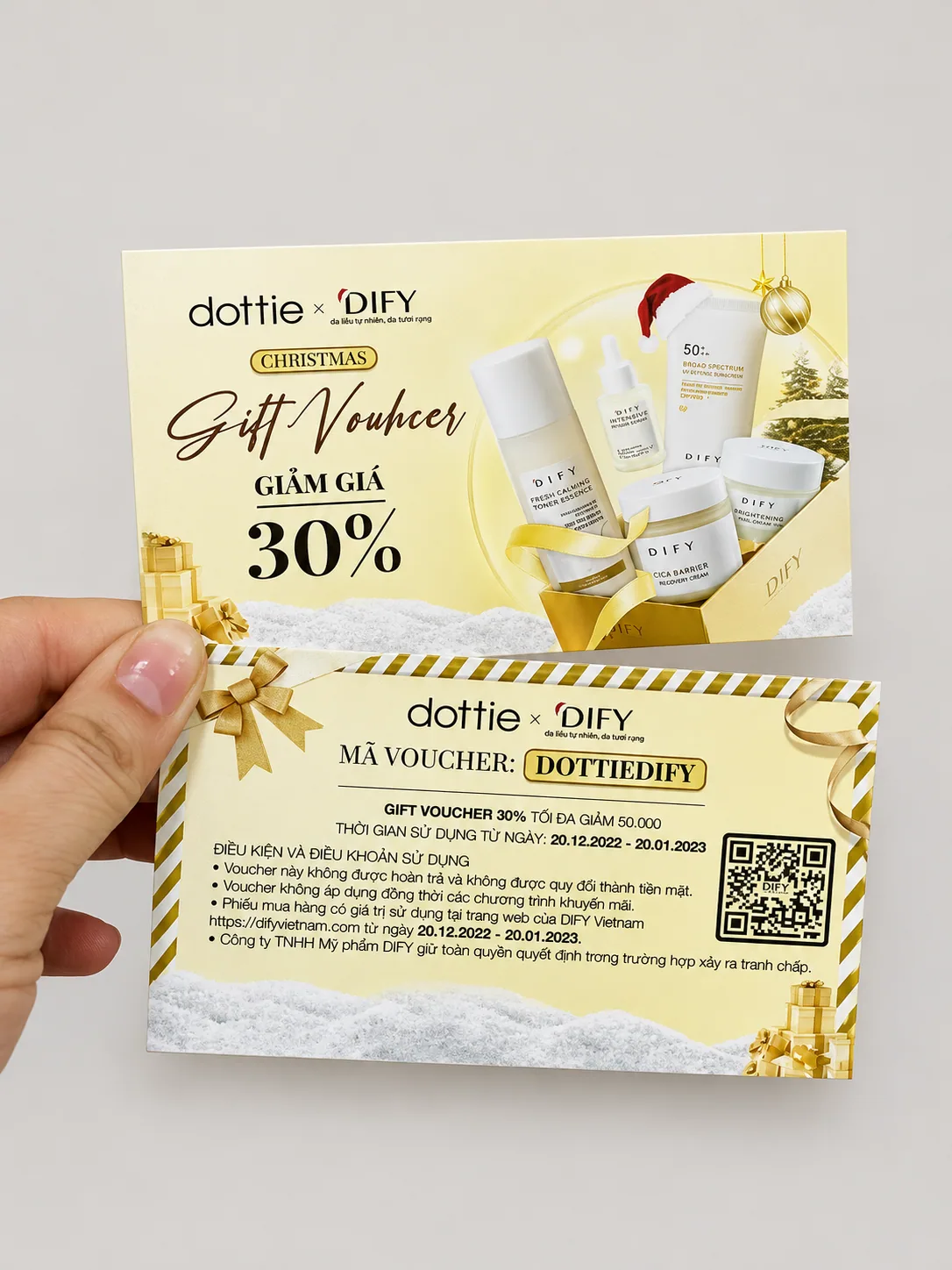
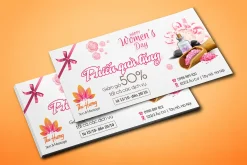
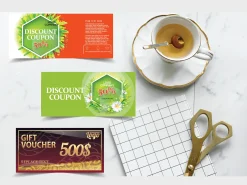
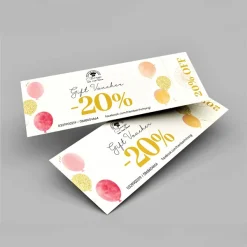
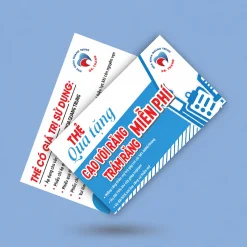
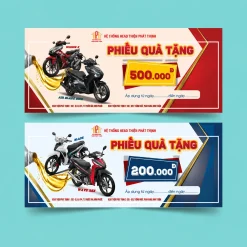
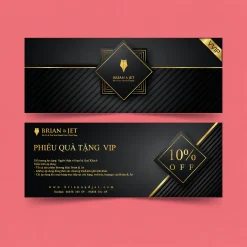
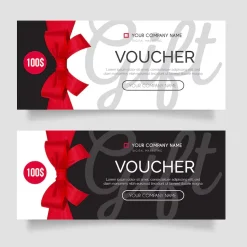
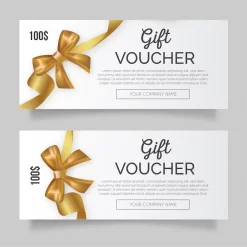
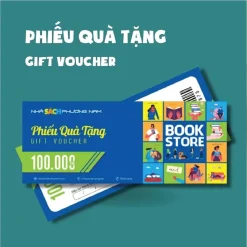
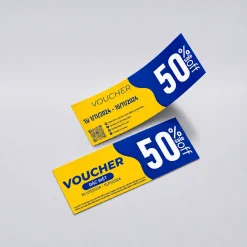
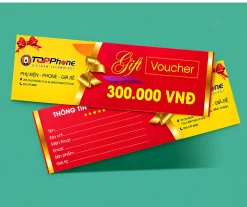
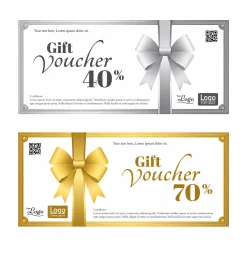
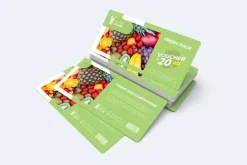
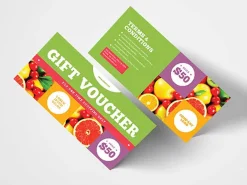
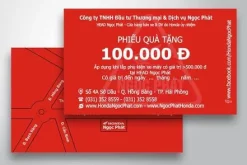
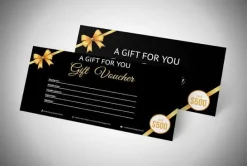
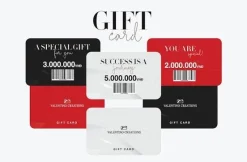
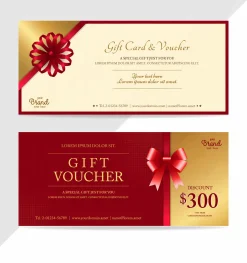
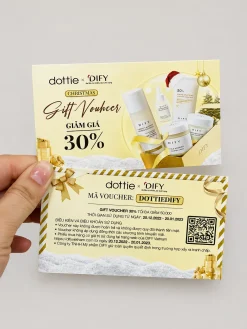
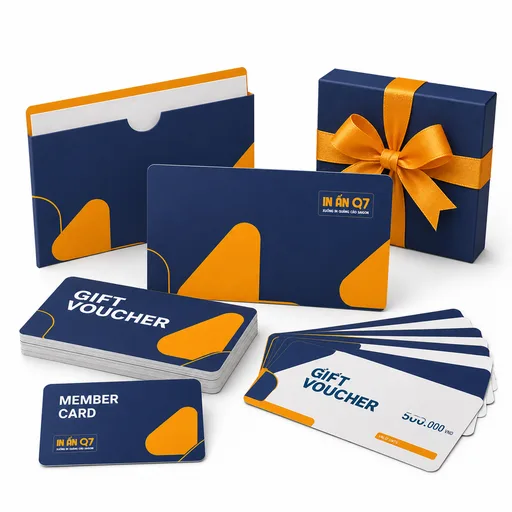
Vouchers, discount coupons and gift cards printed on C300 paper, matte laminated on both sides. Five common sizes.
Voucher and Gift Card Printing for Restaurants, Spas and Shops in Ho Chi Minh City
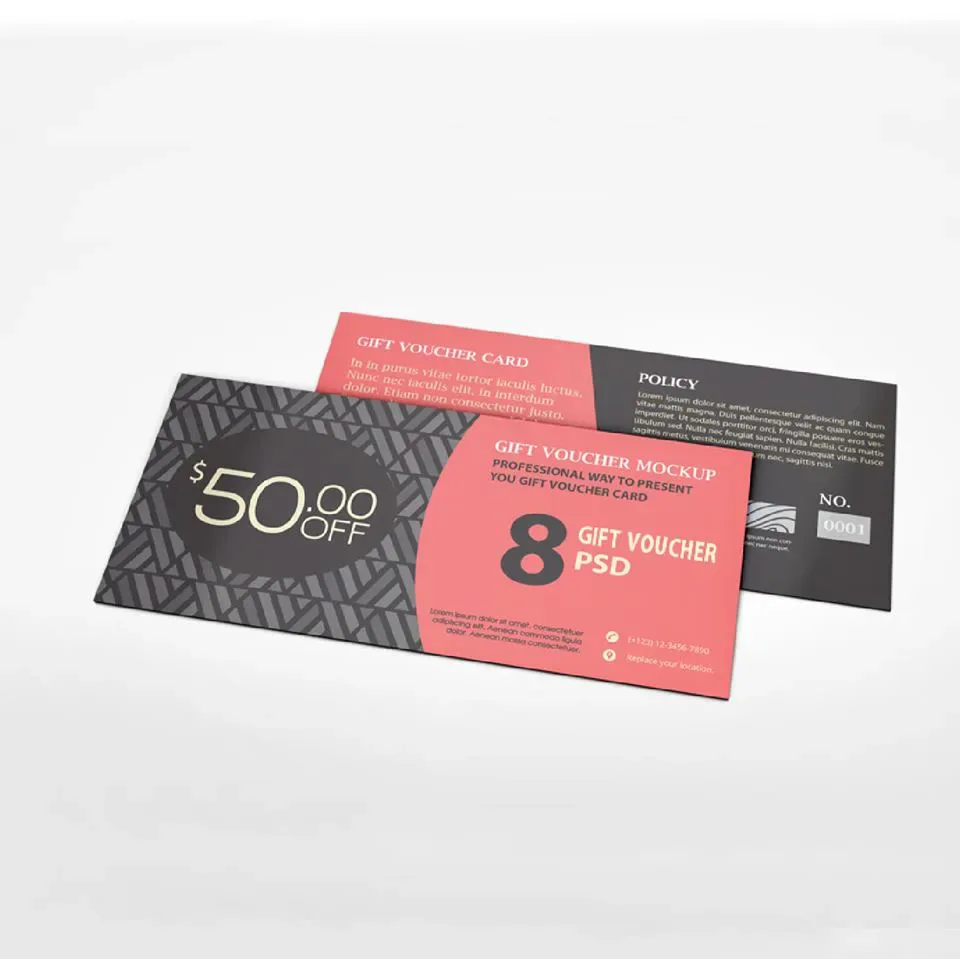
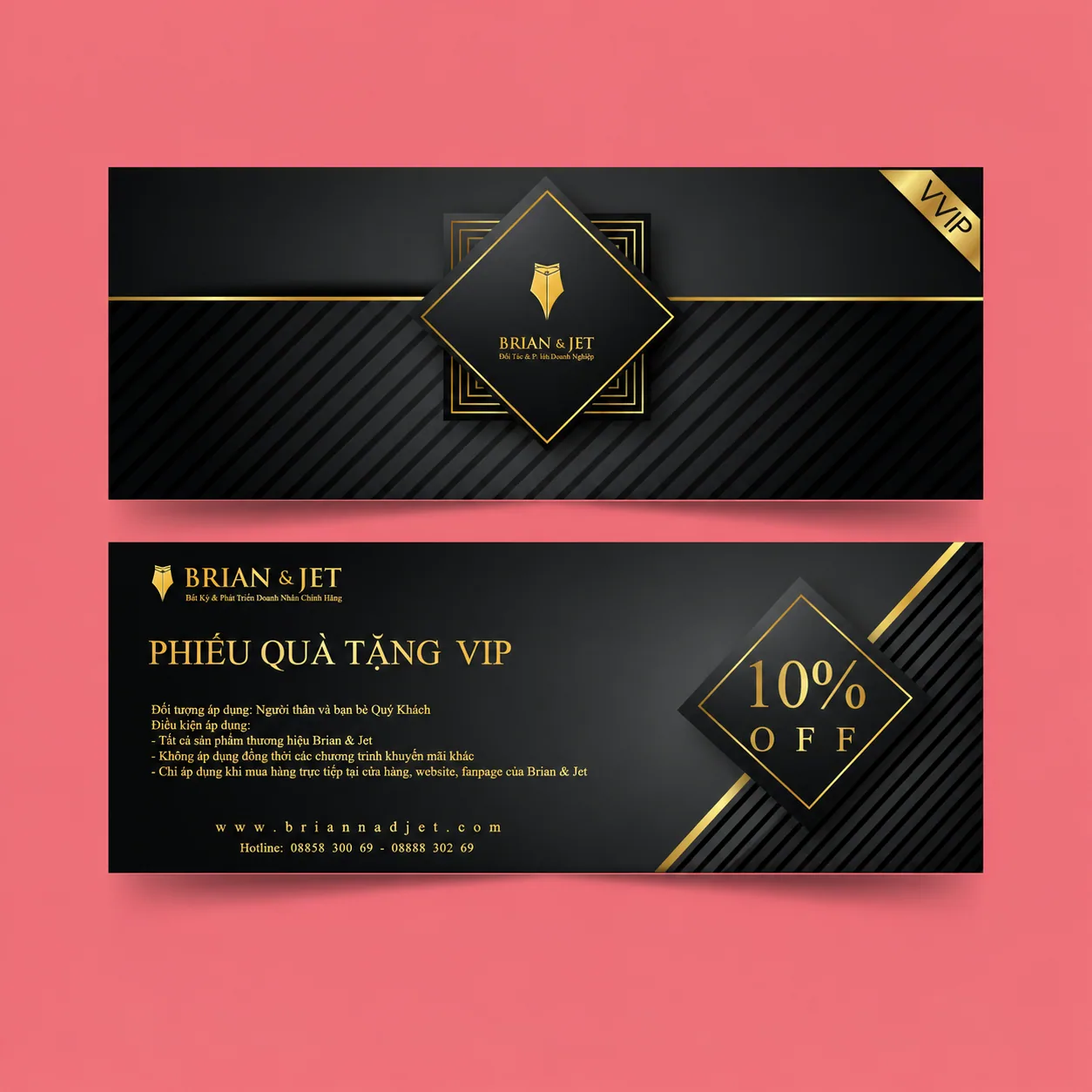
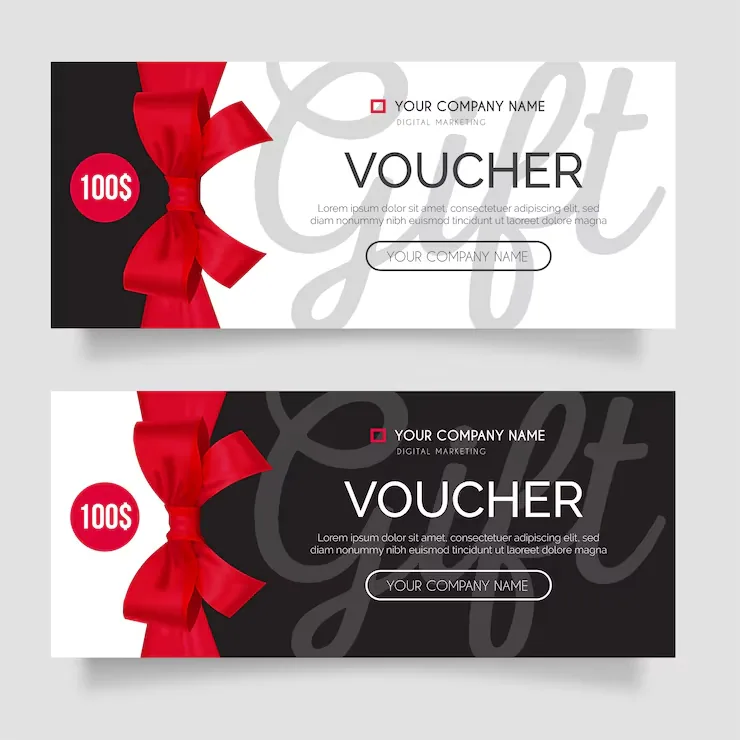
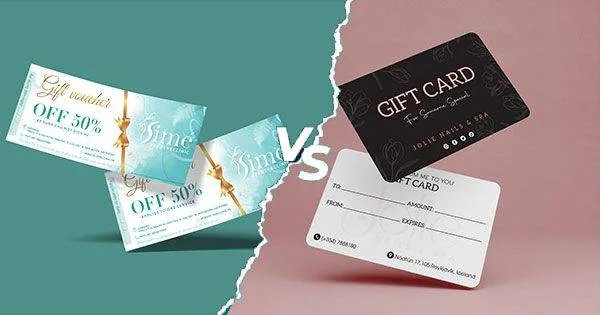
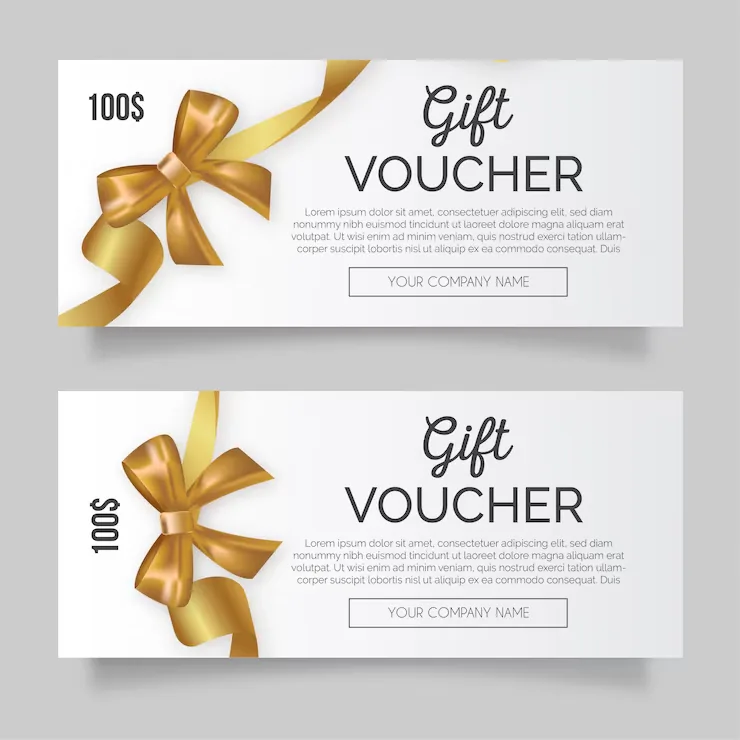
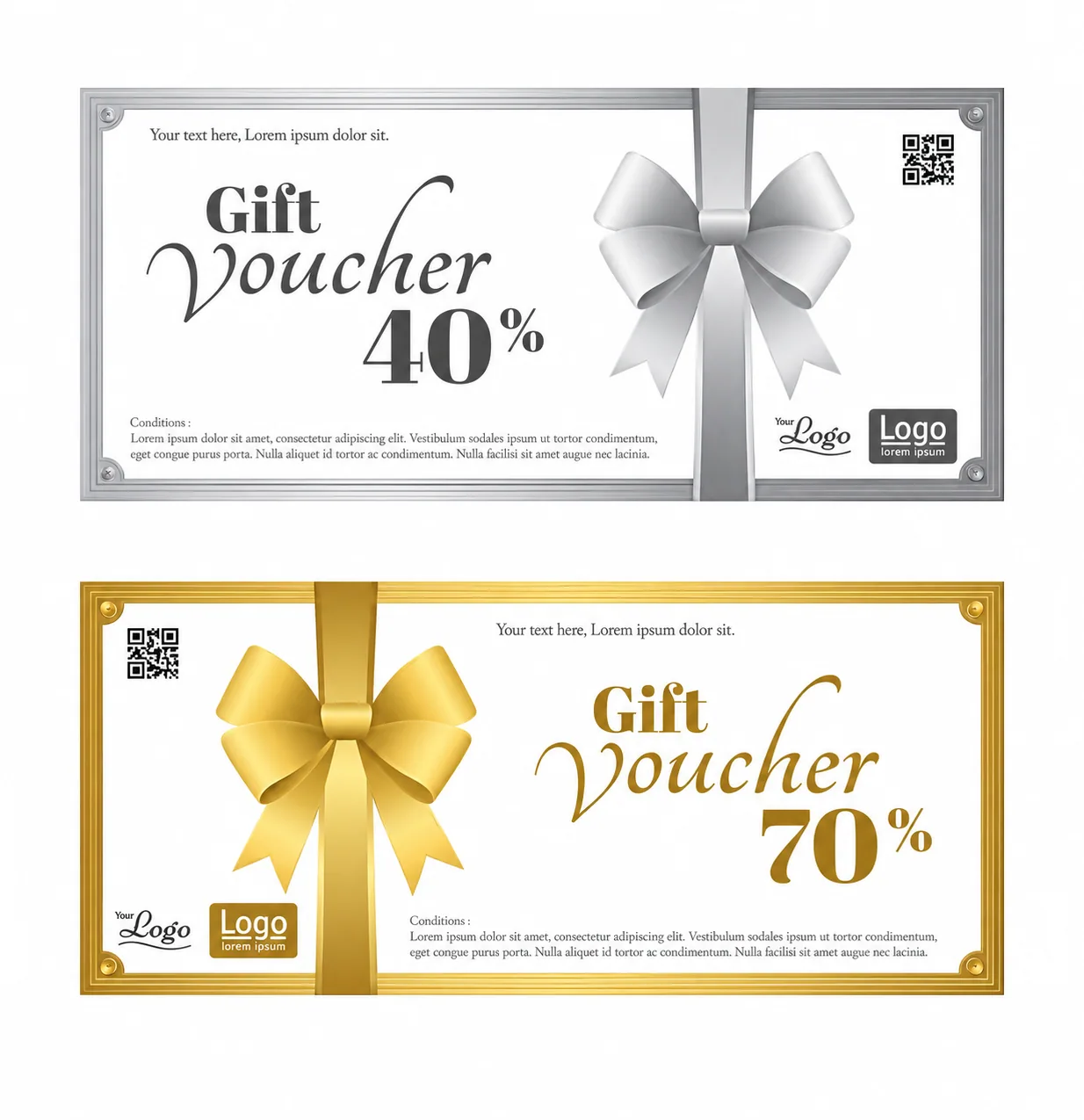
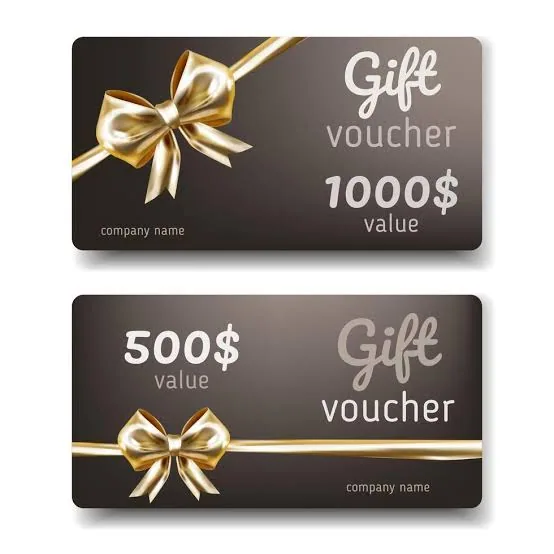
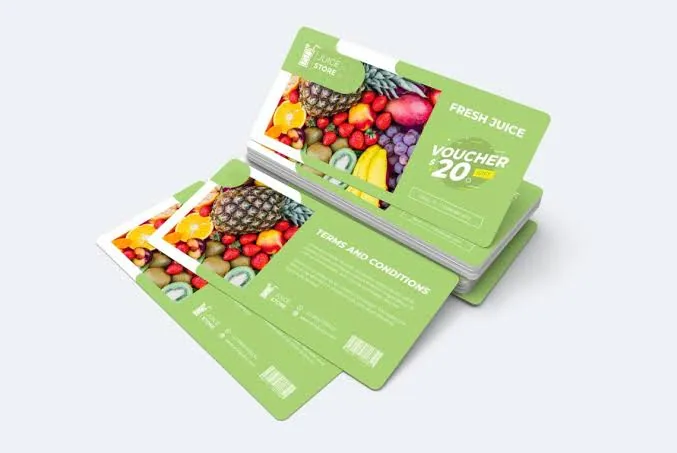
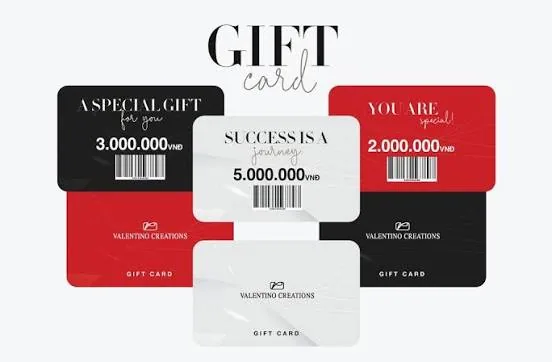
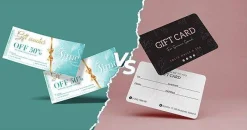
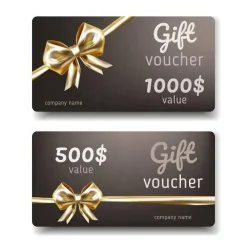
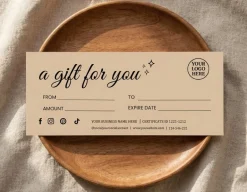
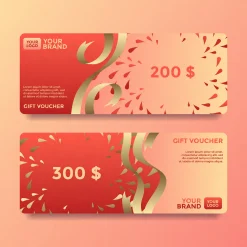
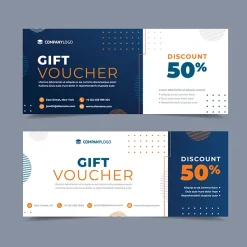
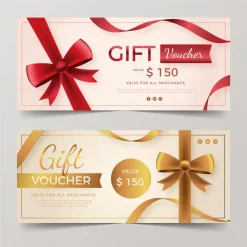
A voucher is a handheld coupon customers exchange for a benefit: a discount, a free item, a free service session. A gift card is its more premium version, used as a gift and usually printed on thick, matte-laminated paper.
In Quảng Cáo Q7 prints voucher printing from 500 pieces per design, from 180.000đ for a batch of 500 small coupons. Five sizes and two delivery times are all available in the price table; choose right on this page to see the price.
What vouchers are used for
The strength of a paper coupon is that it lives in the customer's wallet. A discount code sent by message is forgotten within hours, while a voucher is seen every time the customer opens their wallet. That's why shops still print coupons even with apps and online codes.
The three most common uses: handing out at the counter to customers who just paid to bring them back, inserting with delivery orders, and giving with combos during promotions. Many shops also print item exchange cards – coupons for one fixed item, easier to control than percentage discounts.
Five sizes we print
17.8 × 5.3 cm is the familiar long coupon size, fitting a wallet's long pocket. It's the cheapest and most ordered size.
15 × 7 cm and 21.8 × 8.8 cm are wider, with room for food or service photos. The 21.8 × 8.8 cm size is close to a polymer banknote, so it feels just right in the hand.
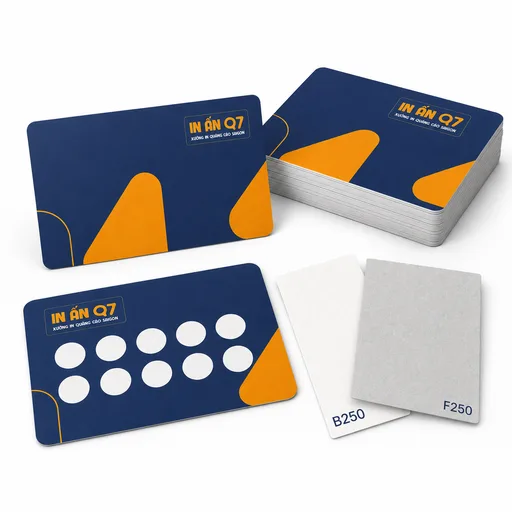
15 × 10 cm and 20 × 10 cm are the two large sizes, suited to gift cards for VIP customers or gift certificates with a cover. The 20 × 10 cm size is also often used for multi-box service cards, with one box cut or punched each visit.
Five specifications selectable right on the page: 17.8×5.3cm, 15x7cm, 15x10cm, 20x10cm and 21.8×8.8cm vouchers.
Paper and finishing
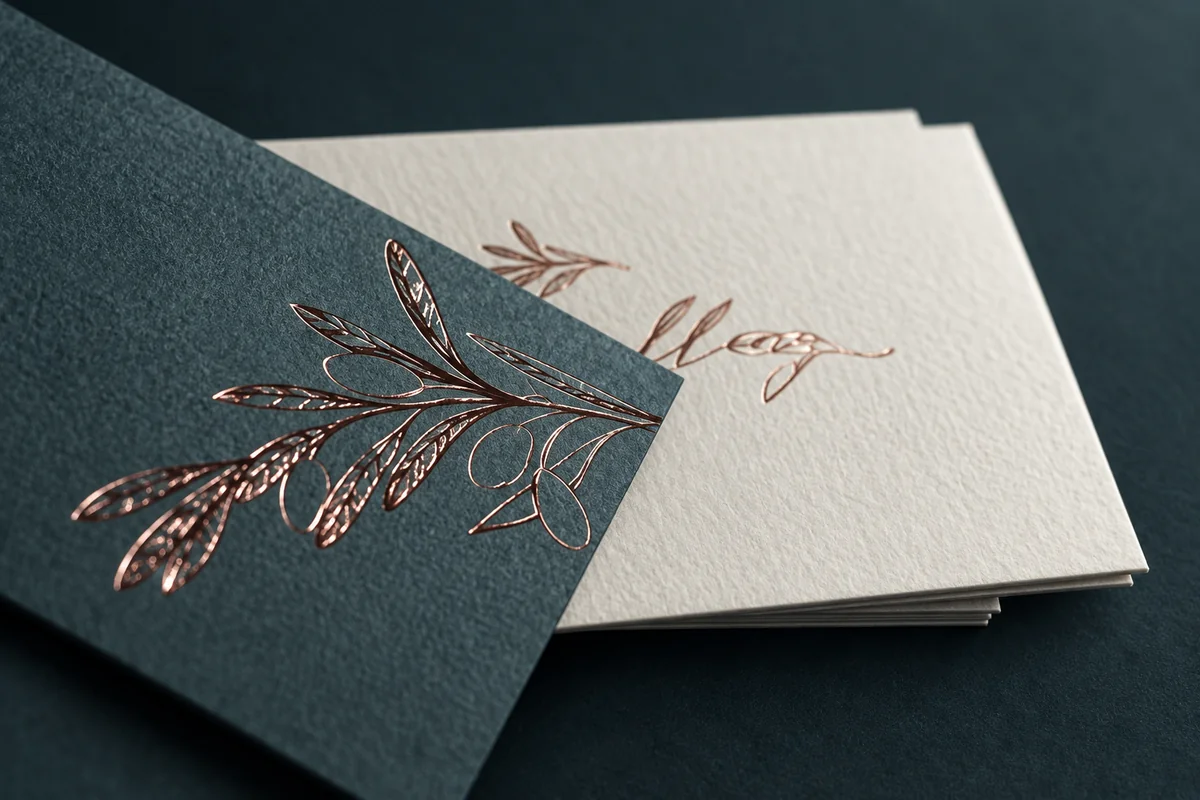
All of them are vouchers on matte-laminated C300 paper. C300 is 300gsm Couche paper – thick, firm in the hand, and won't crease after a long time in a wallet. The matte lamination is lightly water-resistant and gives printed colors a deeper, more premium look than glossy paper.
Matte lamination has another practical advantage: staff can write on the coupon with a ballpoint pen to mark the date used, while glossy surfaces make ink slide and are hard to write on.
Two delivery times
24-hour fast voucher printing is for urgent orders – finalize the file in the morning, receive the goods the next day. This tier is about 60% higher than the economy price since the order is squeezed into the machine schedule.
72-hour economy voucher printing is the price listed in the table below, ready after 3 working days. If the promotion is scheduled in advance, choose this tier to save a significant amount.
Industries that use them
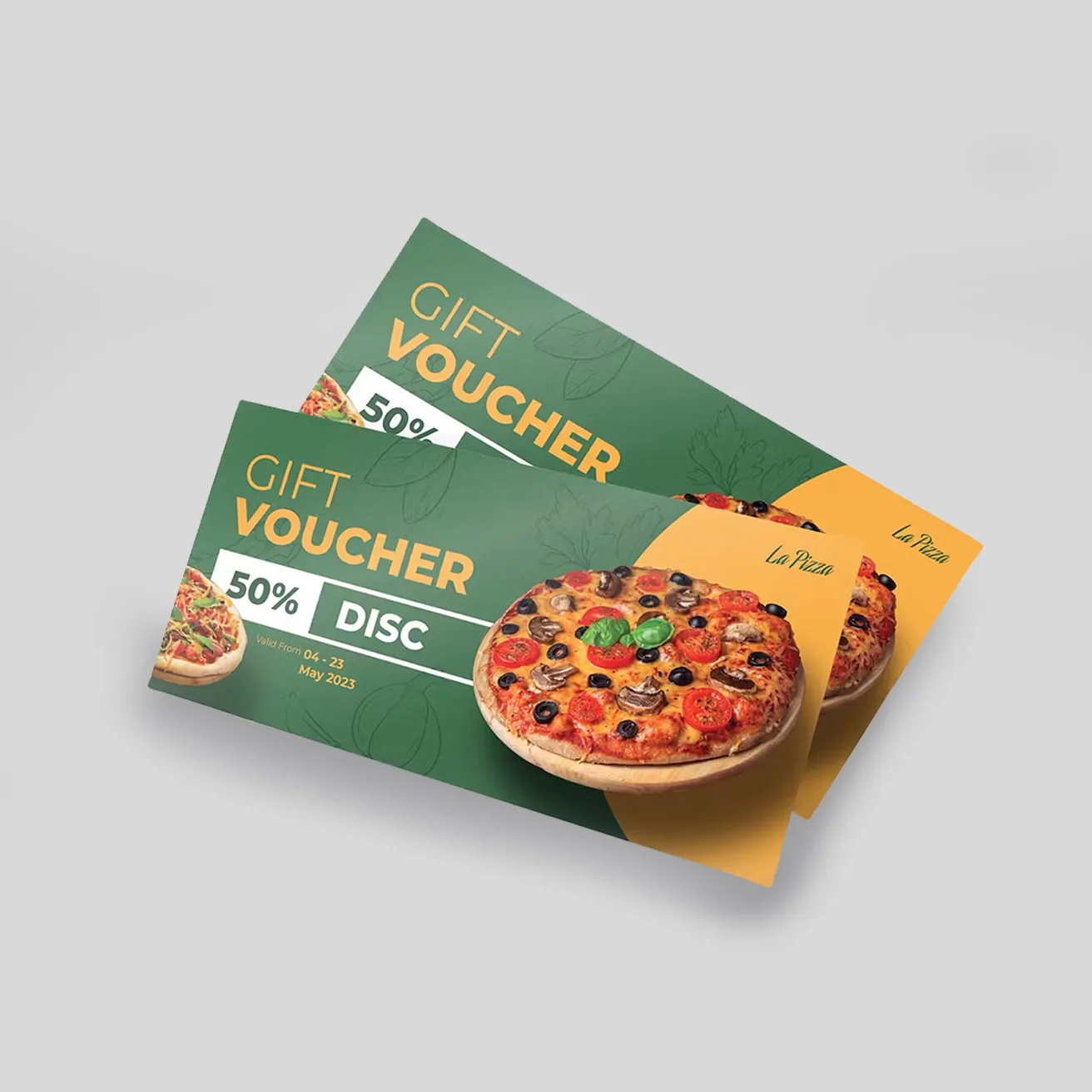
Restaurant vouchers and eateries usually offer discounts by bill amount, or a free appetizer on the next visit. Many places call this category gift voucher printing for shops.
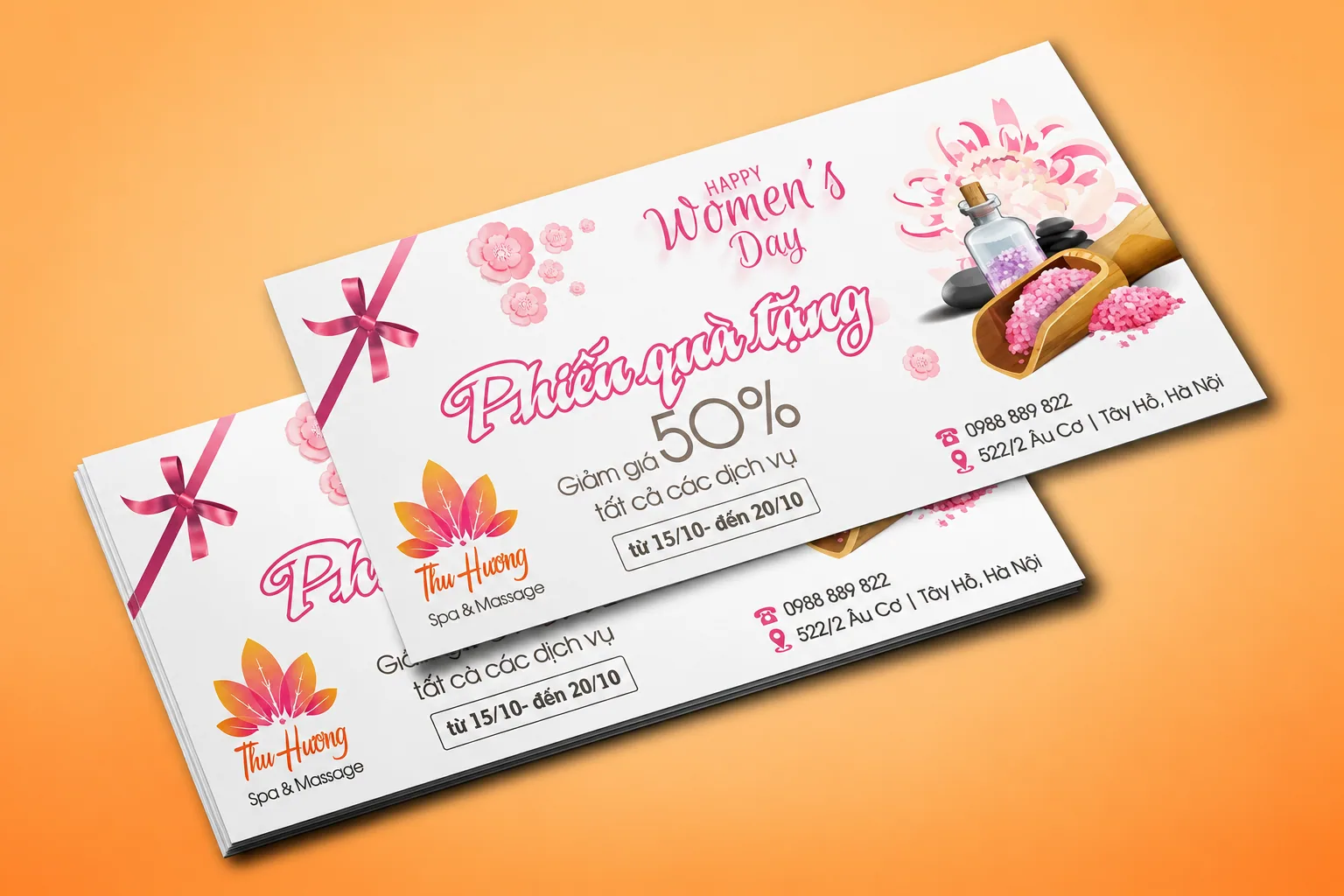
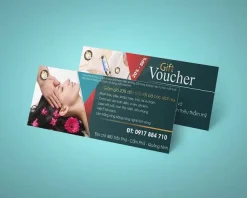
Spa vouchers and beauty clinic vouchers are usually made per treatment package, in large 15 × 10 cm or 20 × 10 cm sizes, with boxes for the customer's name and expiry date.
Café vouchers often use the 17.8×5.3cm size, handed out with takeaway drinks, with the terms printed on the back. Milk tea voucher orders also usually choose this size.
Fashion shop gift cards are for customers spending over a certain amount; in the same run, shops often order discount coupons for the next purchase.
Grand openings are when coupons work best. Orders for grand opening vouchers are usually a batch handed out around the neighborhood, with each coupon bringing in a first-time customer.
Voucher price table
Prices for the whole batch, 72-hour Economy tier, excluding 8% VAT. Choosing 24-hour Fast Printing adds about 60%.
| Size | 500 pieces | 1,000 pieces | 2,000 pieces | 5,000 pieces |
|---|---|---|---|---|
| 17.8 × 5.3 cm | 180.000đ | 300.000đ | 500.000đ | 1.000.000đ |
| 15 × 7 cm | 280.000đ | 450.000đ | 750.000đ | 1.500.000đ |
| 15 × 10 cm | 380.000đ | 550.000đ | 1.000.000đ | 2.000.000đ |
| 21.8 × 8.8 cm | 380.000đ | 550.000đ | 1.000.000đ | 2.000.000đ |
| 20 × 10 cm | 580.000đ | 800.000đ | 1.500.000đ | 3.000.000đ |
Four quantity tiers are available: 500, 1,000, 2,000 and 5,000 vouchers. The minimum is 500 pieces per design. Ordering 2,000 or 5,000 noticeably lowers the price per coupon, so chains usually print once for many branches.
Sequential numbering and QR codes
The price table above applies to identically printed coupons. If you need vouchers with sequential numbering – each coupon with its own serial number for reconciliation – or vouchers with individual QR codes on each coupon, message us on Zalo before ordering. These two items are handled by variable data printing, charged separately by quantity.
If you only need one shared QR code for the whole batch (linking to a fanpage, online menu or sign-up form), there's no extra charge; just place the code in the design file at least 1.5 × 1.5 cm with a white border around it.
Preparing print files
- PDF or AI, CMYK color mode, at least 300dpi
- 3mm bleed on each edge, 3mm safe zone inside the cut line
- Text converted to outlines, with the two-sided file in the correct front – back order
- Dark backgrounds should avoid thin white borders, since trimming shifts easily
- Send files via Zalo 0866.511.099 or inquangcaoq7@gmail.com
No file yet? Send your logo, offer content and expiry date; we build a design and send it for approval before printing.
Naming specifications when ordering
The full name of the standard specification is double-sided matte-laminated C300 voucher printing — the price in the table already covers both sides, with no extra charge.
By size and industry: 17.8×5.3cm café vouchers are the long wallet-sized format, cheapest and most ordered; 20x10cm spa gift cards are the large format, with room for the customer's name, number of sessions and expiry date.
By use: free item vouchers for restaurants are easier to control than percentage discounts, while vouchers inserted with delivery orders are the cheapest way to distribute coupons since they travel with existing orders.
Two items to request in advance as they're charged separately: sequentially numbered vouchers for managing promotions — each coupon with a serial number for reconciliation, and vouchers with an individual QR code on each coupon. Both are handled by variable data printing.
Frequently asked questions
What is the minimum number of coupons? 500 pieces per design.
How do vouchers and gift cards differ? Same print specification, just a different purpose. Gift cards are usually larger and more formal in design since they're given as gifts.
Does double-sided printing cost extra? No, the price in the table is already for double-sided printing.
Can they be glossy laminated? The standard specification is matte-laminated C300. Glossy lamination or other papers are quoted separately.
How long does it take? 24 or 72 hours depending on the tier you choose, counted from file approval.
Can corners be rounded? Yes, rounding all 4 corners is an extra finishing step; tell us before ordering so we include it.
Order voucher printing at In Quảng Cáo Q7
Choose the timing, size and quantity right on this page to see voucher printing prices, or message Zalo 0866.511.099 if you need sequential numbering, individual QR codes or sizes outside the table. We reply within 30 minutes during office hours.
Address to see samples in person: 49 Mai Van Vinh, Tan Hung Ward, Ho Chi Minh City.
Consultation and orders: 8:00–12:00 and 13:00–20:00 Monday – Saturday, Sunday 14:00–19:00. Production and delivery: 8:00–12:00 and 13:00–18:00 Monday – Saturday, closed Sunday.
Some images on this page are illustrations.
How gift cards and gift certificates differ from vouchers
Gift cards and gift certificates are in the same group as vouchers but used differently. Telling them apart early helps you choose the right material and quantity from the start.
| Type | Value stated on the card | How many uses | Common material |
|---|---|---|---|
| Discount voucher | Percentage or amount off | Once | Matte-laminated C300 paper |
| Gift card – gift certificate | A fixed prepaid amount | Once, or deducted gradually if managed by code | C300 paper or plastic card |
| Occasional offer coupons | Offer with conditions | Once | C250 – C300 paper |
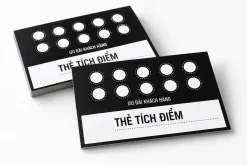
| Loyalty cards | No amount stated, accumulates by visit | Many times | Double-sided matte-laminated C300 paper |
Shops wanting customers to return many times make Loyalty Cards; to boost sales over a short period, discount vouchers suit better. Many places make both in the same print run to share die-cutting and lamination.
Gift cards are sold like merchandise, so each card needs numbering for reconciliation. Free vouchers don't require it, unless you want to measure which distribution run works better.
How to distribute and measure effectiveness
Printing is only half the job. What matters is where they're handed out and how you measure whether the run worked. Below are the distribution channels shops in Ho Chi Minh City commonly use.
- With receipts at the counter: given to customers who just bought, with the highest return rate since they already know the quality.
- Inserted into takeaway bags: suits shops selling online and takeaway; customers see it as soon as they open the bag.
- Handed out at the door: large quantities with a lower redemption rate, but reaching new customers in the area.
- Sent with delivery orders: one in each parcel, at almost no cost.
- Given at spending thresholds: customers reaching a level receive that level's voucher, raising the average order value.
- In exchange for information: customers who leave a phone number or follow the page receive one.
To know which run works, the simplest way is printing a small mark in a corner of the back for each channel — for example A for the counter, B for takeaway bags, C for handouts. When customers redeem, staff just tick a tally sheet by that mark.
If your cash register can record promo codes, set a separate code for each channel and the data comes out automatically. Otherwise, a hand tally is enough for a run of a few hundred.
Set short expiry dates, about three to six weeks. Too long and customers put them away and forget; too short and many can't return in time. State the expiry date in numbers rather than writing "within one month".
Common mistakes when printing and distributing
The mistakes below are the ones we see most when receiving files and from customer feedback after the first run.
| Mistake | Consequence | How to avoid it |
|---|---|---|
| No expiry date | Customers bring old coupons to redeem, and staff find it hard to refuse | Always print the expiry date in numbers |
| Too many lines of conditions | Customers don't read them and only find out at the shop they can't use it | At most four short conditions |
| Printing a colored background over the code box | Ballpoint ink won't take | Leave a pure white box |
| QR codes smaller than 8 mm | Phones can't scan them | At least 10 mm per side |
| Using blurry JPG images as backgrounds | Text smudges after printing | Send vector files or 300 dpi images |
| Ordering too few | Running out mid-run with no time to reprint | Calculate from the average number of daily customers |
| Forgetting the safe margin | Text lost at the edges after cutting | Leave 3 mm on each edge |
As for sequential numbering, if the next run reuses the previous run's number range, reconciliation will show two orders with the same code. Record the last number of each run so the next run continues from it.
All promotional print items for shops and stores are in the category Restaurants & Shops. Combining vouchers, loyalty cards and Labels & Stickers into one order is usually cheaper than ordering three times.
Estimating quantity and delivery
Before choosing a quantity, estimate from real customer numbers rather than budget. The usual calculation: average daily customers times the number of days the program runs, plus about twenty percent for spoiled and trial handouts.
- Small shops with under fifty customers a day usually order one to two thousand for a six-week run.
- Chains with many branches should print together once and split them among locations, since prices drop noticeably with quantity.
- Trial runs should be ordered at the minimum; use them up before finalizing the design for a larger run.
- Year-round designs and holiday designs should be kept separate; don't combine them into one and then have to change midway.
Former District 7, Nha Be, District 4 and District 8 get door-to-door delivery. Other districts of Ho Chi Minh City are delivered on the daily schedule; other provinces via bus courier or delivery services, with fees per the carrier's price list.
Designing the front and back
A voucher can be read in two seconds when the front holds only three things: the program name, the offer and the logo. All conditions, expiry dates and code boxes should go on the back. Cramming both sides full of text is the fastest way to make customers ignore it.
| Position | Recommended content | Content to avoid |
|---|---|---|
| Front – top | Program name, logo | Long descriptive paragraphs |
| Front – middle | The discount or gift, in the largest text on the card | Several offers at once |
| Front – bottom | A short expiry date, one line | A list of conditions |
| Back – top | Terms of use, at most four bullet points | Text under 6pt |
| Back – middle | A white box for the code or date issued | A solid background covering the handwriting box |
| Back – bottom | Address, phone number, QR code | Tiny maps that can't be read |
Background colors should come from the shop's brand identity rather than the season. Customers carry the card in their wallet for weeks and remember where it came from by its color — that's the real benefit. Changing colors each run loses this advantage.
If the program has several tiers, print them as separate designs rather than combining them on one card. Combined cards make staff re-explain every time a customer asks, while separate cards just mean handing over the right one.
| Time | Fast print - 24 hours, Economy - 72 hours |
|---|---|
| Size | 17.8x5.3cm, 15x7cm, 15x10cm, 20x10cm, 21.8x8.8cm |
| Quantity | 500 pieces, 1,000 pieces, 2,000 pieces, 5,000 pieces |
| Made at | In Quảng Cáo Q7 workshop – 49 Mai Van Vinh, Tan Hung Ward, Ho Chi Minh City |
| Origin | Vietnam |
| Status | Made to order |
| Warranty | 24 hours from receipt: if you find a printing error or a difference from the approved file, let us know and we will reprint free of charge. |
| Price excl. VAT | 180.000 ₫ – 4.800.000 ₫ |
| Price incl. 8% VAT | 194.400 ₫ – 5.184.000 ₫ |
Ordering
Three ways to order: choose the specifications and quantity on the website and click Place order; message us on Zalo or call 0866.511.099; or visit the workshop to see material samples at 49 Mai Van Vinh, Tan Hung Ward, Ho Chi Minh City. During working hours, In Quảng Cáo Q7 replies within about 30 minutes. Most products have listed prices by size, material and quantity – prices exclude 8% VAT.
→ Online ordering guide · Quick quote
Sending design files
PDF or AI preferred, CMYK color mode, 300dpi for small formats, 3mm bleed. Send via Zalo, email inquangcaoq7@gmail.com, the form on our website, or a Google Drive link for large files. We check your file for free before printing; if you have no file yet, In Quảng Cáo Q7 can help with the design.
→ Design file submission guide
Payment
Bank transfer, QR code or cash at the workshop. Orders are confirmed and scheduled for production after payment; after transferring, send a photo of the receipt with your phone number via Zalo. Transfer note: Your name – Phone number – Product.
→ Payment guide
Timing & delivery
Completion time is shown on each product, counted from receipt of a print-ready file and payment confirmation. Pick up at the workshop Monday – Saturday, 8:00–12:00 and 13:00–18:00; urgent orders within Ho Chi Minh City delivered within 2 hours; other provinces via bus courier or express delivery. On receipt, please check quantity, size, material and condition of the products.
Order tracking
Enter the phone number used when ordering to see your orders from the last 90 days and their status: Unpaid → Printing → Printed → Delivering → Invoiced → Completed. For orders placed via Zalo, send your name and phone number to get progress updates.
→ Order tracking
E-invoice (VAT)
In Quảng Cáo Q7 issues 8% VAT e-invoices. Provide the company name, tax code, address and email within 24 hours of ordering; the invoice is issued within 24 working hours and sent by email, and cannot be changed once issued.
→ E-invoice (VAT) details
Misprints – reprints
Products that differ from the order or the approved proof are reprinted free of charge – report within 24 hours with photos. Spelling mistakes in a file you approved are not covered by free reprints.
→ Frequently asked questions (FAQs)
Be the first to review “Vouchers | Gift Cards”
Related products

Vouchers & Gift Cards
Reviews
There are no reviews yet.